Sept. 14, 2026
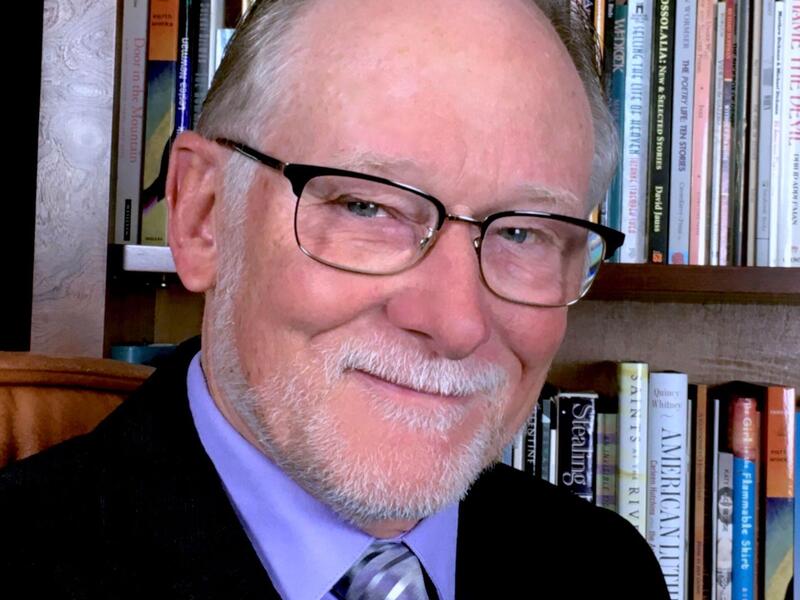
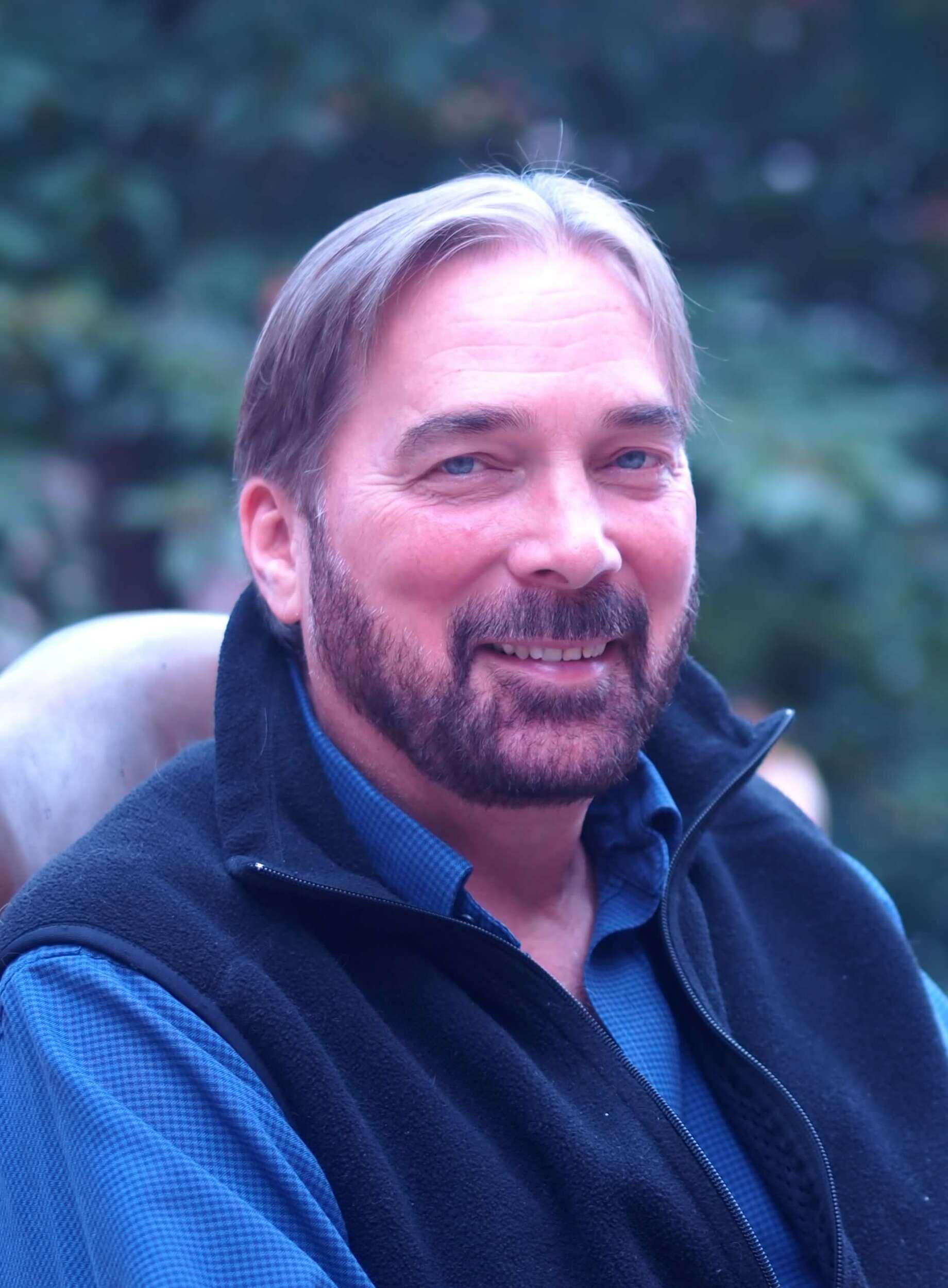
Gregory Donovan retires after four decades of inspiring students and helping to shape VCU’s creative writing program
Share this story
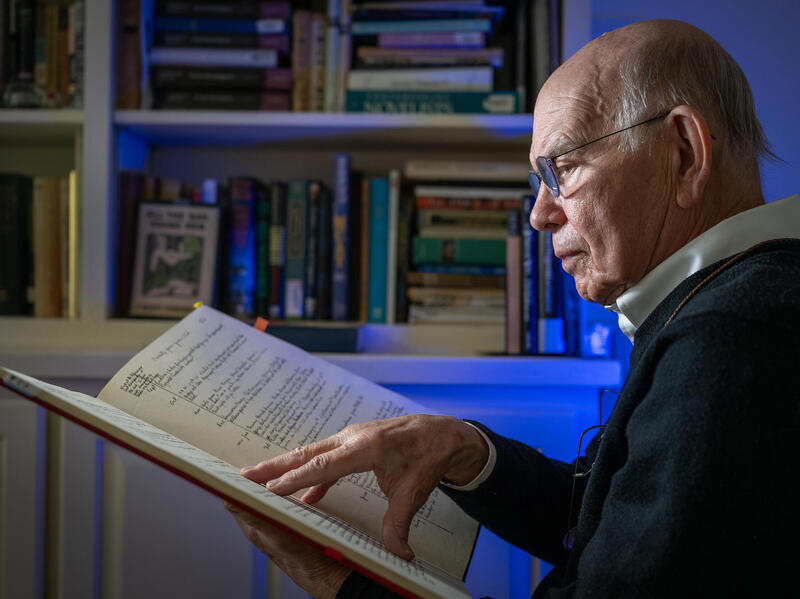
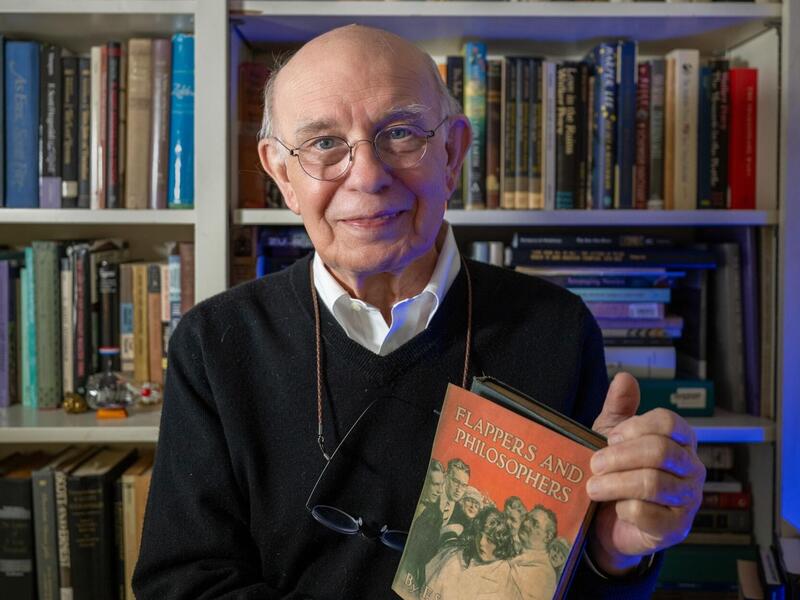
Students in Gregory Donovan’s creative writing classes at Virginia Commonwealth University often heard him say “the sleeping student learns nothing,” meaning let’s keep life and learning lively.
It wasn’t just an affirmation for students. It is a philosophy Donovan has long embraced.
It took hold in Donovan’s childhood in Missouri where he cultivated not only his imagination, often through his exploits as an imaginary cowboy, but also a passion for reading.
“That expanded my world and refined my moral, geographic and aesthetic compass,” said Donovan, Ph.D., who retired as a professor of English in the College of Humanities and Sciences earlier this year. “Our home on the outskirts of St. Louis didn’t have many books, but as luck would have it, an older couple living next door to us moved off to Florida and gave us most of their unread books.”
Their collection included the “Complete Works of Robert Louis Stevenson” and the “World’s Greatest Literature,” containing stories written by authors such as Dickens, Shakespeare, Ibsen and more.
“My mother would try to get me to stop reading, but I’d stay up all night, flashlight under the covers, or lock myself in the bathroom,” he said.
Through reading, he found inspiration to write his first poem, an emotional elegy, at the age of 10.
“Our pet dog, foolhardy and brave in his single-minded pursuit of romance, was killed crossing the busy road. It was a terrible poem, but heartfelt and filled with drama,” he said.
Teachers who inspire and elevate
Donovan credits a few “great” high school teachers, who also had a love of literature, with helping to reinforce his own interests and prepare him for college at the University of Missouri at Columbia where he was inspired by “highly eccentric teacher, poet and fiction writer Thomas McAfee.”
“He took my writing seriously, and he gathered serious students around him, who also became my good friends, literary and personal,” Donovan said. “One of them, writer David Raffeld, remains my close friend to this day.”
These educators instilled in him an unending joy of teaching, a profession Donovan enjoys immensely. He looks at it as a special form of “friendship and guidance" he offers to everyone who has an appreciation for growing and learning.
“I particularly like teaching undergraduates because they are often willing and happy to take the longest journeys up the mountain for a better view, while graduate students offer an energized and challenging opportunity to get serious and absolutely take flight,” he said.
An honors student in college, Donovan majored in English and was allowed to craft his own path through the major, which included studying everything from religion and philosophy to mythology and language.
“My love of learning and of experience has never waned,” he said. “I’ve often said to my students: I didn’t go to college to get a job — I went to get a life.”
He attended college during the Vietnam War era and became a visible leader in the local anti-war and civil rights movements “who was committed to pacifism and nonviolence,” he said.
“It was an exciting time to be sure, and I’m proud I graduated both in Phi Beta Kappa and on disciplinary probation,” he said.
He describes himself as a working class intellectual “with no apologies for either.”
“My experiences have tested me while giving me a strong set of values, spiritual and political, in caring for our fellow humans in all their many foibles and identities,” he said.
Exploring a world of literature and life
After college, Donovan traveled to Europe, living and working at various jobs, from cleaning houseboats on the Thames to painting barns with red mineral wash in Sweden. After returning home, his endeavors included painting houses for a living, working as a self-employed contractor and learning how to play guitar.
“I also got interested in dance — ballet, jazz, tap, and my favorite, modern — and joined several dance companies, one based at the University of North Carolina, one at Duke, and another that was a community troupe made up of various dancers from all over,” he said.
A while later, Donovan headed to graduate school at the University of Utah and earned a master’s degree in English. He received his Ph.D. in English at SUNY-Binghamton where he studied with novelist John Gardner.
“He was one of the country’s greatest teachers of creative writing,” Donovan said. “He set the bar quite high for my own teaching. I ended up with training and publications in both fiction and poetry, which helped me later.”
Donovan began working at VCU in the fall of 1983 and not too long after assumed the position of director of creative writing in the Department of English. He was a founding faculty member of VCU’s graduate creative writing program, which was established the year he arrived.
At VCU, Donovan saw an opportunity “to help build the kind of writing program I would have liked to attend myself,” he said.
Building a poetic legacy
Donovan ultimately saw the need to have an active literary journal to draw in students and round out their education and helped start Blackbird: an online journal of literature and the arts in 2002.
“I became immersed in it and excited about it, and the results for all of us involved were truly remarkable,” said Donovan, who praises his fellow editors Mary Flinn and Michael Keller along with online editors Jeff Lodge and Patrick Scott Vickers. “We’ve also had dozens of outstanding student editors and interns, all of whom contributed to building a journal with a first-rate reputation and ultimately a large international readership.”
Blackbird publishes poetry, fiction, nonfiction, plays, visual arts and pioneered presenting video essays. Contributors have included U.S. poet laureates and Pulitzer winners along with writers achieving their first publications.
The journal made international news when it published a previously unpublished poem by Sylvia Plath in 2006, and again when it published a new translation of an entire book by the Swedish poet Tomas Tranströmer only days before he won the 2011 Nobel Prize for Literature.
“In its later years, the journal averaged around 950,000 unique visits annually from around the world,” Donovan said. “We helped to put online literary journals ‘on the map,’ including our own.”
Catherine Ingrassia, Ph.D., dean of the VCU College of Humanities and Sciences, said Blackbird serves as one of the most distinctive parts of Donovan’s legacy, calling it “a pioneer publication that brought tremendous recognition and acclaim to the MFA program and the university.”
Donovan has published two poetry collections — “Calling His Children Home” from University of Missouri Press in 1993, which won the Devins Award, and “Torn from the Sun” in 2015 from Red Hen Press of Pasadena, California, a finalist for the Julie Suk Award and given a starred review in The Library Journal.
He believes in the rewards of reading and writing poetry.
“Poetry deploys language at its very best, so that it develops depths of interior awareness and revelation as well as wide-ranging, open-eyed states of powerful external observation, all while offering the rich pleasure and enjoyment of writing that is supremely inventive and extremely well-phrased,” he said.
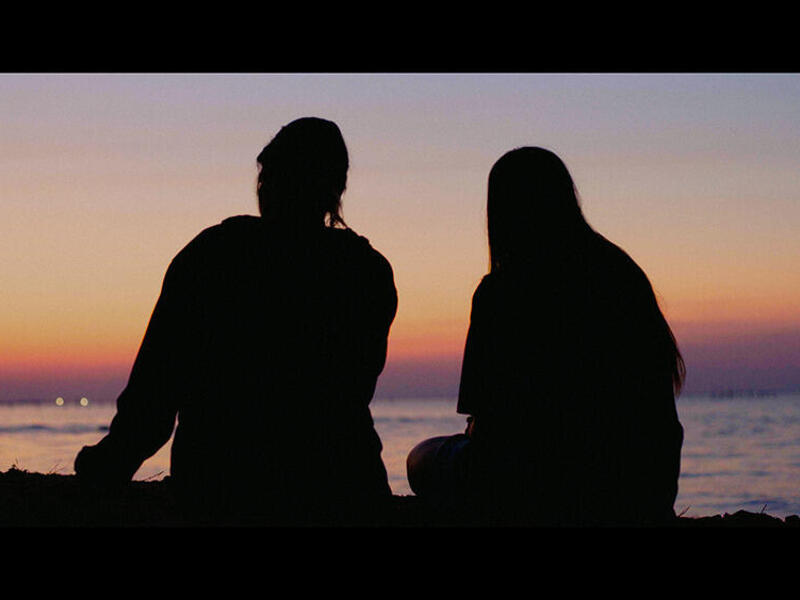
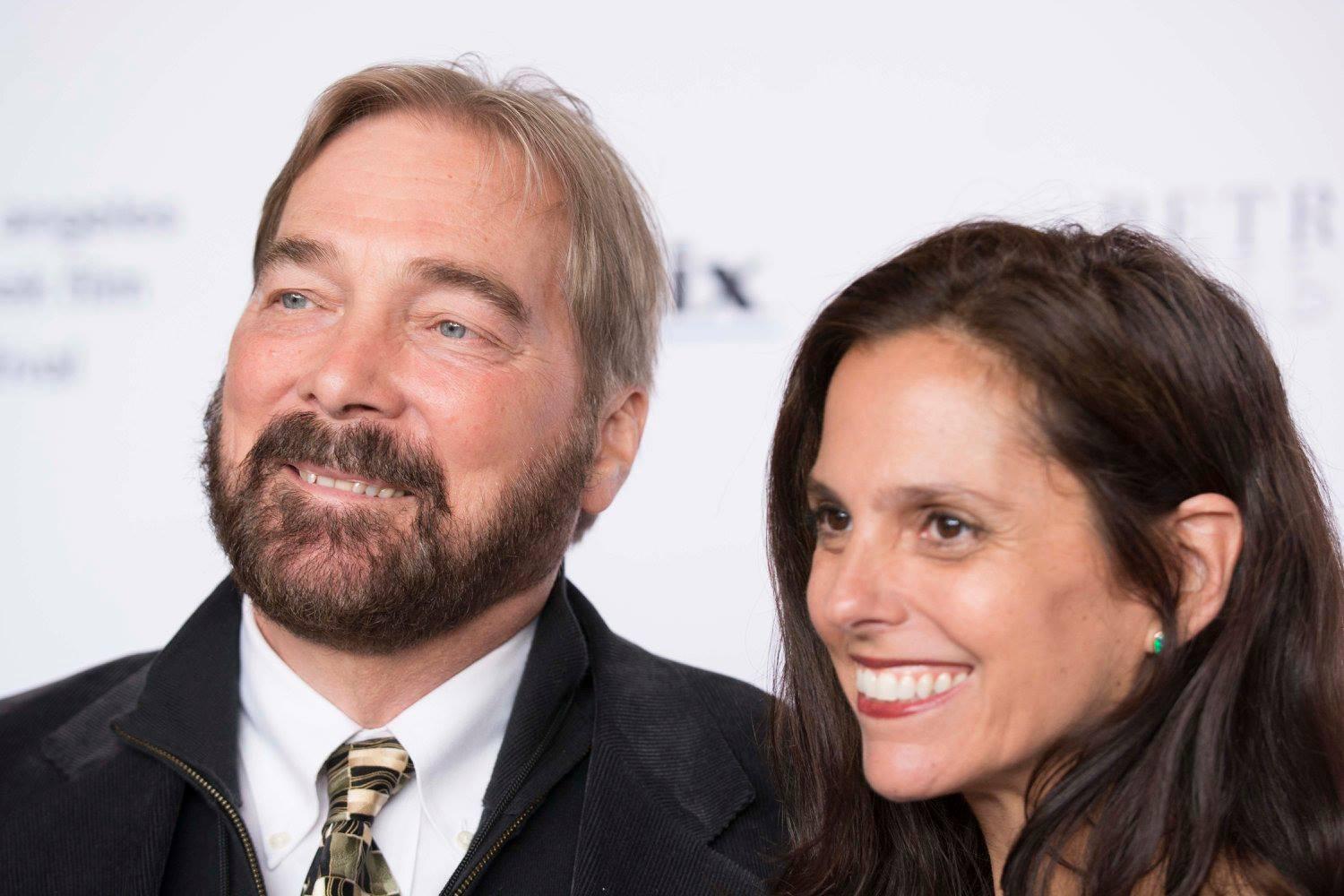
With his wife, award-winning poet and filmmaker Michele Poulos, he also edited “Prismatics: Larry Levis & Contemporary American Poetry,” published in 2020, a collection of edited transcriptions of the complete, extended interviews with 13 nationally prominent poets whose excerpts appeared in the documentary film “A Late Style of Fire,” about the late poet Larry Levis, a former VCU professor.
The film was a years-long project for Poulos that turned into a feature-length film that premiered at film festivals around the country and is distributed by the Kanopy streaming service and on Amazon.
“Along the way, she picked up a husband, me, who dutifully carried equipment around and helped work on writing interview questions and making contact with the poets and the Levis family members to get them to appear in the documentary,” Donovan said. “We’re proud of the film.”
Loving the work you do
Donovan said he is humbled by his more than 40 years at VCU.
“I’ve stayed at VCU for so long because I like the students here — the variety, the diversity, the arts school kids, the nonconformist vibe and the fact that so many of them, like me, were ‘first-generation’ students. I identified with them, and I felt I could help and encourage them to discover exactly how accomplished they could become,” he said.
He also praises his creative writing colleagues and his fellow poets, Kathleen Graber and David Wojahn as well as Devon Walker-Figueroa and Edgar Kunz. He’s appreciative of the support from past department chairs such as Ingrassia, “who now has also become the best humanities and sciences dean we’ve ever had,” he said, and Katherine Bassard, Ph.D.
Ingrassia describes Donovan as a “passionate and committed teacher who would also go the extra distance — for students, colleagues and alumni.”
Donovan’s students have “benefited from his accumulated wisdom,” Graber said.
“Greg has lived a very varied and interesting life, and his teaching has always been infused with his own experiences,” she said. “As much as he is a scholar of literature and a fine teacher of poetic craft, he is also a person who values the lessons that one learns simply from living fully and thoughtfully and passionately.”
Donovan is generous with his time and energy, she adds.
“He is one of the warmest people I know,” she said. “Greg's heart and dedication are his biggest assets.”
Exploring new directions
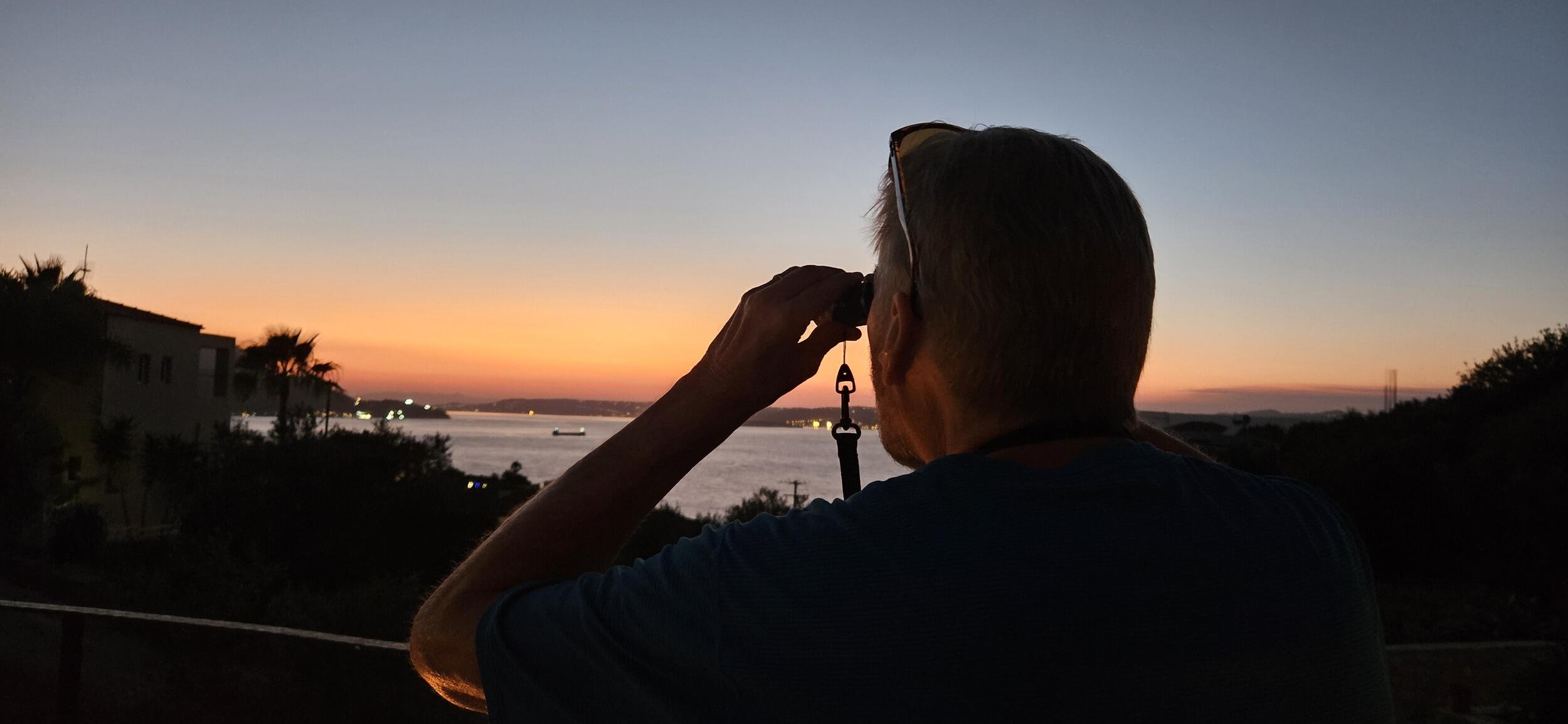
Now that he’s retired, Donovan is looking forward to continuing to live his life in a lively manner. That includes hiking, playing instruments — guitar, mandolin, mouth harp, etc. — as well as writing poetry and essays. He plans to spend part of the year on the island of Crete, swimming in the Mediterranean and looking for sea turtles, and the other part either in Virginia or traveling to Europe or wherever the mood takes him.
“Above all, I plan to live as long as I possibly can, so I can continue to enjoy my partnership with a brilliant, strong and talented woman — the best sort of good fortune a man can have,” he said.
Subscribe to VCU News
Subscribe to VCU News at newsletter.vcu.edu and receive a selection of stories, videos, photos, news clips and event listings in your inbox.