Sept. 10, 2026
How VCU’s pioneering homeland security and emergency preparedness program is evolving with changing times – and new threats
Share this story
Twenty-five years ago, the Sept. 11 attacks transformed the nation’s understanding of security and preparedness. In the years that followed, Virginia Commonwealth University became home to the nation’s first homeland security and emergency preparedness program, helping define an emerging academic field organized around missions with recognizable boundaries. Counterterrorism specialists tracked networks. Intelligence analysts gathered and interpreted information. Emergency managers prepared communities for disasters. Cybersecurity still sat largely with information technology. Expertise meant depth within a particular lane.
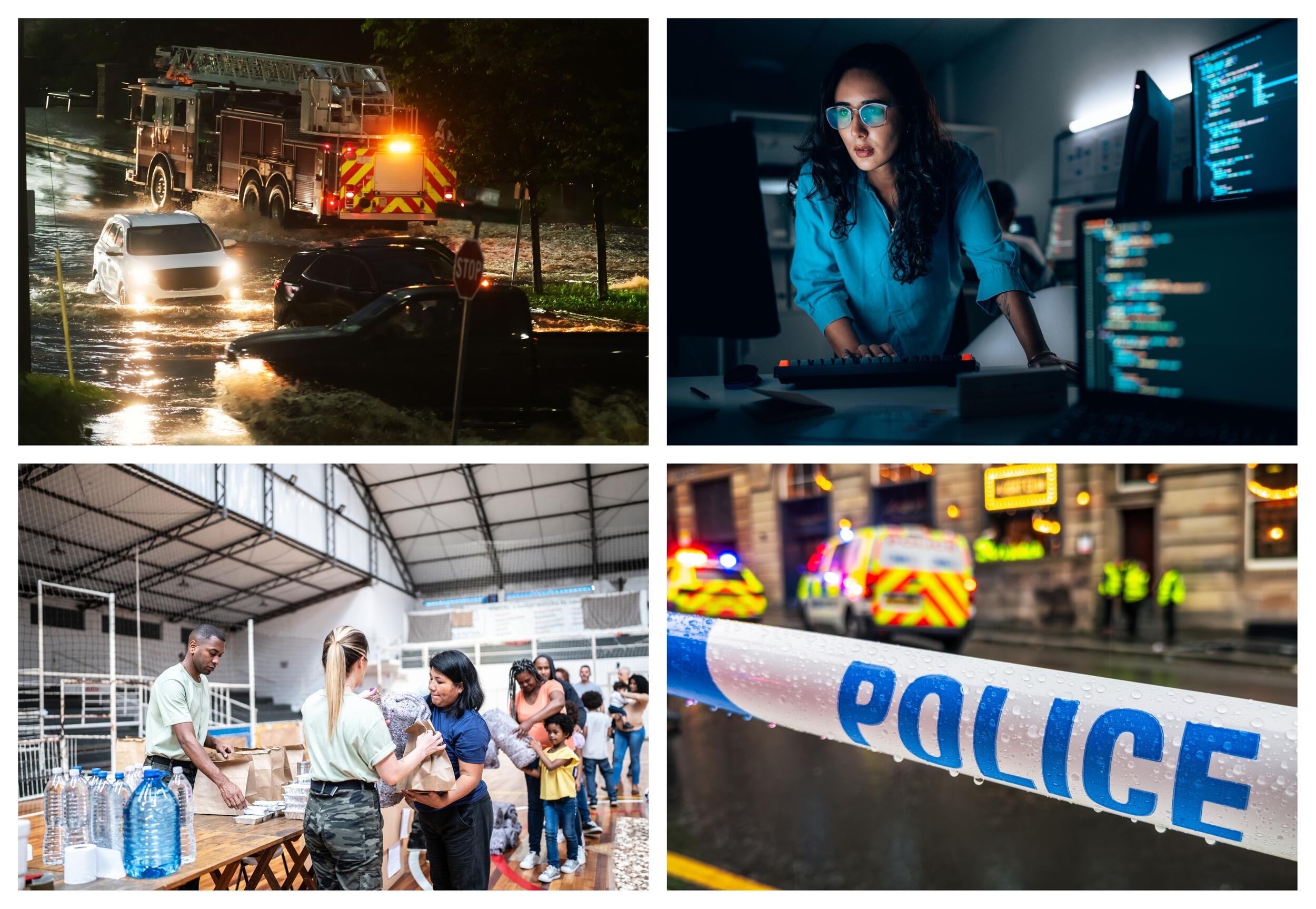
Those lanes no longer hold. A ransomware attack on a hospital network can become a technological, legal, financial and operational crisis at once. A sudden rain event can overwhelm infrastructure, displace families and force budget decisions in a county that planned for none of it. A pandemic can unfold while officials manage hundreds of protests and two tropical systems. The defining threats of this era do not respect the structures built to contain them.
Faculty at VCU’s L. Douglas Wilder School of Government and Public Affairs have watched that convergence from the vantage points of military intelligence, psychology, political science, emergency management, crisis communication and public administration. Across those disciplines, they describe the same imperative: Today’s leaders still need expertise, but they must also understand the systems surrounding a threat and recognize when a problem has escaped the boundaries of their own training.
The Wilder School is reshaping its curriculum around that reality. What happens when the job becomes wider than any one person?
What the field left behind
Virginia has 139 localities. In roughly two-thirds of them, emergency management is one person’s job, and that person usually holds two or three other titles: 911 director, building official or whatever else the week requires.
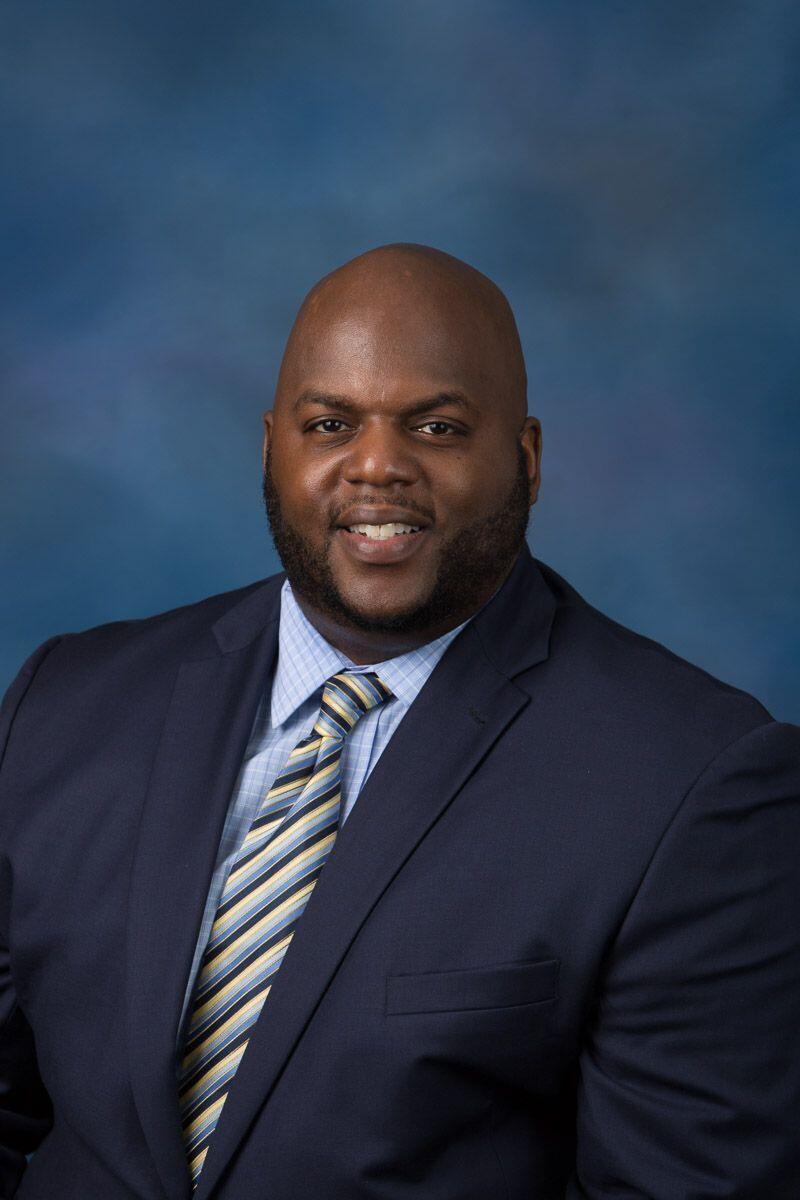
Curtis Brown, who previously led the Virginia Department of Emergency Management, now brings that experience to his teaching at the Wilder School. He traces the one-person shop to civil defense, when a single director planned primarily around nuclear war with Russia. The field embraced an all-hazards approach decades ago, but the staffing model never caught up. “That belief that there could be these one-person shops is obsolete,” Brown said. “The responsibilities associated with the field are vast.”
No one expects a single person to operate an entire police or fire department, Brown noted, yet many communities still structure emergency management that way. Meanwhile, federal proposals could require states and localities to absorb more of the costs Washington carried for two decades.
The professional pipeline was built for an earlier model, too. Emergency managers often came from fire and law enforcement and advanced largely on the strength of their response experience. So did many of the people teaching them.
“Traditionally, the field drew older men from military or first responder backgrounds,” said Brie Haupt, Ph.D., associate professor of homeland security and emergency preparedness and assistant director of the Wilder School’s public policy and administration doctoral program. “It reflected a very specific, militaristic, hierarchical and traditional perspective. We’ve realized that doesn’t always work.”
Who walks through the classroom door has changed. Some students discover emergency management only after a wildfire, flood or tornado strikes the place they call home. The routes into the field, Brown said, “have broadened considerably.”
“If you compare how people lived in the early 2000s with how we lived after social media and smartphones, those technologies changed how we do everything. They also changed how terrorists and extremists operate.”
David Webber
VCU’s program emerged in the post-9/11 era, when counterterrorism dominated the national understanding of homeland security. “Although terrorism is still an issue, it’s not the driving issue anymore,” said Maureen Moslow-Benway, associate professor and program chair, who came to teaching from military counterintelligence. More than half of the program’s graduate students now want emergency management careers, she estimates. The degree has grown beyond its counterterrorism origins to prepare students for all-hazards work.
Underneath those changes is a different way of understanding danger. Chris Whyte, Ph.D., associate professor of homeland security and emergency preparedness, reads the past two decades as three shifts: the counterterrorism era, Katrina as “a major first correction for the field” and a third shift still underway. That shift moves away from cataloging threats and toward what he calls “the failure modes of systems”: which piece gives way first, what it takes down and how consequences move across connected systems.
The threats stopped staying in their lanes
David Webber, Ph.D., associate professor and assistant program chair of homeland security and emergency preparedness, is a psychologist by training. Much of the extremist activity he studies has shifted from foreign organizations toward domestic actors, often individuals. He traces both the tactics and the scale of that change partly to the smartphone.
“If you compare how people lived in the early 2000s with how we lived after social media and smartphones, those technologies changed how we do everything,” Webber said. “They also changed how terrorists and extremists operate.”
Radicalization once depended more heavily on face-to-face spaces. It can now occur among people who never meet, and ideologies are often assembled rather than inherited. Researchers call it “salad bar extremism,” a belief system cobbled together from whichever pieces appeal. Prevention and research must change with it.
Cybersecurity presents a similar challenge. Twenty years ago, it often sat at the field’s edge as an IT problem. Whyte uses a ransomware attack on a hospital to show why that distinction no longer works. “It isn’t just responders getting out a keyboard, plugging into a server and handling the technical work,” he said. Networked systems underpin health care, law enforcement, supply chains and the information environment. Professionals need enough literacy to understand how an incident can destabilize the systems they protect.
Hazards also stopped arriving one at a time. While Brown led Virginia’s response to COVID-19, which he describes as the state’s longest disaster event, officials also managed approximately 500 events following the murder of George Floyd, as well as two tropical systems. Brown briefed the governor most mornings at 6 or 7 a.m. and helped public officials navigate decisions they held the authority to make but may never have expected to confront. Without those relationships, he said, “things can really go sideways.”
Nor does a single hazard remain one kind of problem. Buchanan County in southwest Virginia has endured two federally declared disasters in six or seven years. Both involved rain events that, Brown said, dropped 10 to 15 inches in 30 to 45 minutes. “Our communities aren’t built for that,” he said. Hurricane Helene similarly devastated rural communities that had not considered themselves part of the risk pool. The water is only the first problem. Then come decisions about relocation, rebuilding and insurance. The hazards cross those lines even when the workforce remains divided by them.
Literacy, not familiarity
Those pressures demand competencies that homeland security curricula did not traditionally emphasize. Whyte studies how professionals behave when artificial intelligence enters the decision-making process, and his distinction is precise: “It has to teach literacy, not just familiarity.”
Familiarity means knowing how to use the tools. Literacy means understanding who holds authority, where humans belong in the loop and what data can be used for which purpose. Whyte’s representative survey of homeland security professionals found high familiarity with AI paired with little measurable knowledge of what the tools were doing. In simulated attacks where AI’s role was ambiguous, professionals fell back on overconfidence, wishful thinking and bias.
“The real gift we can give students as part of a college education is teaching them to think critically. That is more important than ever because, with AI, they are letting ChatGPT or Copilot think for them.”
Maureen Moslow-Benway
Brown describes the same capacity in policy terms. Federal, state, local, private-sector and nonprofit actors each interpret a policy through a different lens. Implementation lives or dies, he tells students, on recognizing the pressures facing everyone at the table.
Haupt sees the consequences in crisis communication. Protocols may assume that everyone reads English, absorbs information visually or can understand language written above a third-grade level. They may also confuse pushing information out with delivering it to the people who need it. “You are already creating barriers to access when you communicate only in English,” she said.
One of her examples comes from Wyoming. After a crash killed a couple visiting from South Korea, their 2-year-old survived but could not communicate with hospital staff. Hospital staff used a teddy bear to ask where the child hurt. The emergency manager knew a Korean couple in the community and brought them in to help. No standard protocol could have supplied that knowledge. Knowing the community did.
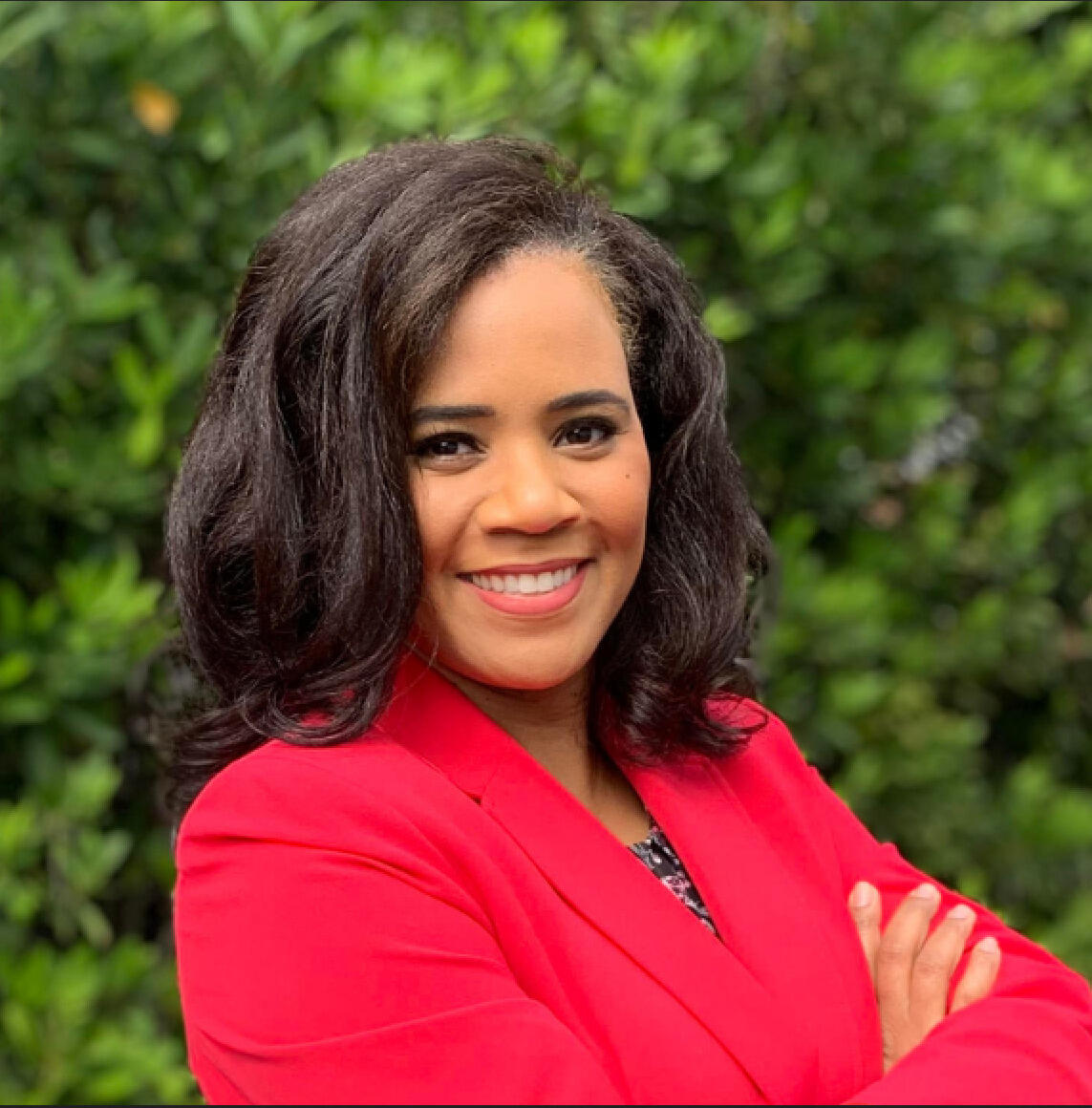
Nakeina Douglas-Glenn, Ph.D., professor of public administration and director of the Wilder School’s Research Institute for Social Equity, has spent years learning who lives in a community and whom residents trust. Working in Emporia, Charles City and parts of Richmond since the early stages of the COVID-19 pandemic, she worked alongside community advisory boards and community navigators, whose guidance shaped both research design and public engagement by centering trusted local relationships.
“I felt like I couldn’t get an authentic voice if I was just showing up as a researcher,” Douglas-Glenn said. The experience informed a model distinguishing official actors from trusted community actors, while students created story maps that left useful information behind. Trust and local knowledge, the work teaches, are operational necessities rather than softer additions to a response plan.
Teaching by practice
The Wilder School increasingly teaches students to work across fields through practice. HSEP 400, Crisis Exercise and Simulation, grew from a program review that identified a curricular gap. First offered last semester, it is now a core course and will run in two sections this fall. Of approximately 29 class meetings, only eight are lectures. The rest are games, exercises and debriefings, culminating in simulations students design themselves.
Emergency managers run exercises, but so do law enforcement agencies, intelligence organizations and university administrators. Whyte refused to build the course around one profession’s conventions.
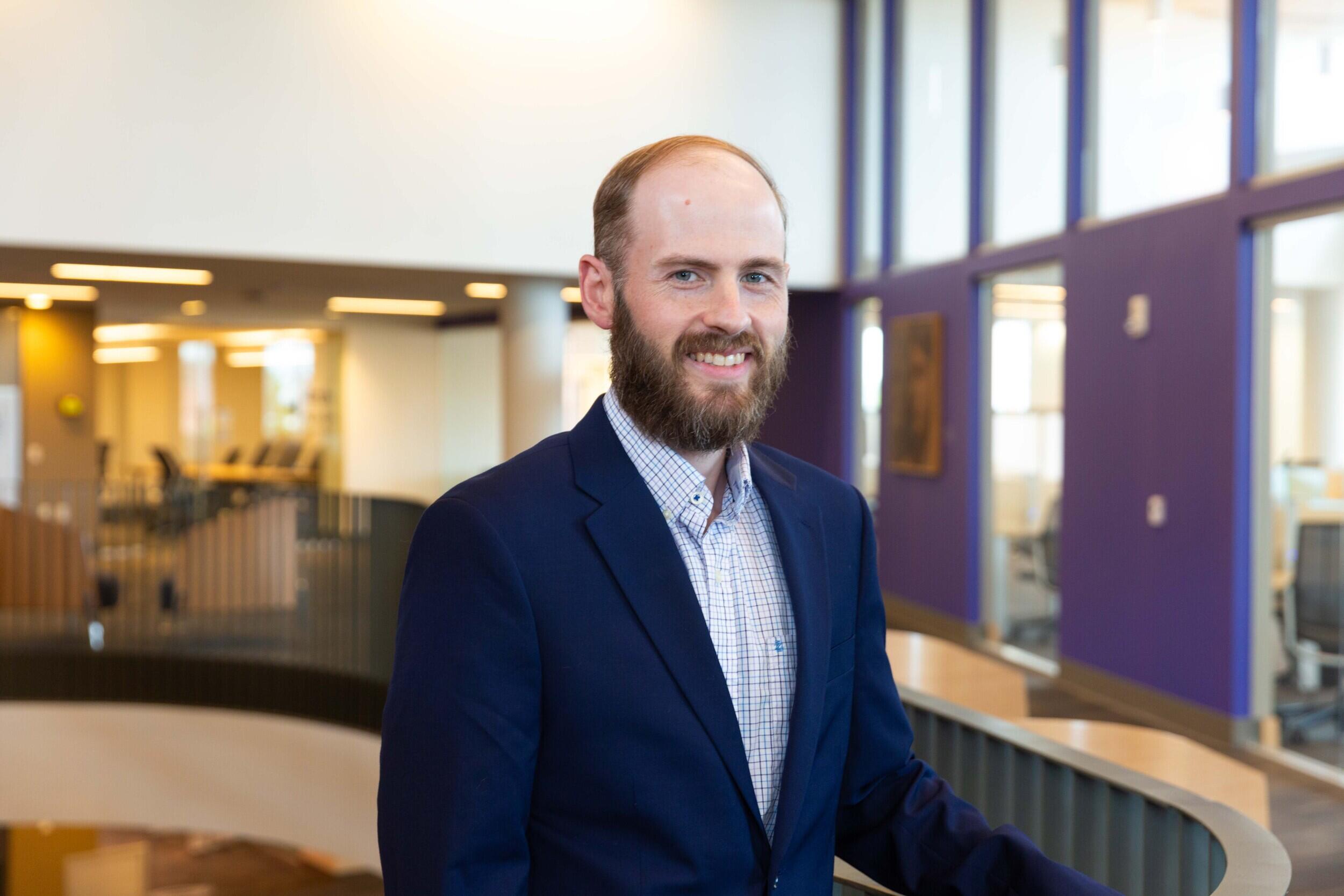
“We want to give students a methodological and conceptual toolkit so that, regardless of the area they enter, they can cut across the jargon,” he said. The goal is not expertise in every discipline. It is knowing enough to identify what is being asked and connect the right people.
Other courses operate from the same premise. Whyte and Webber put undergraduates to work with a computer scientist labeling extremist discourse from Stormfront, the largest white supremacist forum online. The students’ first discovery was that most of what hateful people post is not explicitly hateful. It is conversation about hair loss, movies and news, all refracted through an ideology. Reading the ideology requires learning to read the mundane.
Moslow-Benway’s students brief the FBI on assigned problems, an experience now expanding to the Virginia State Police Fusion Center, where she has placed four interns. Her human trafficking course puts students in conversation with survivors, recovery housing organizations and law enforcement. Brown assigns an oral history project in which students interview a disaster survivor. One student spoke with his father, who had been at the New Orleans levee breach with the Army Corps of Engineers.
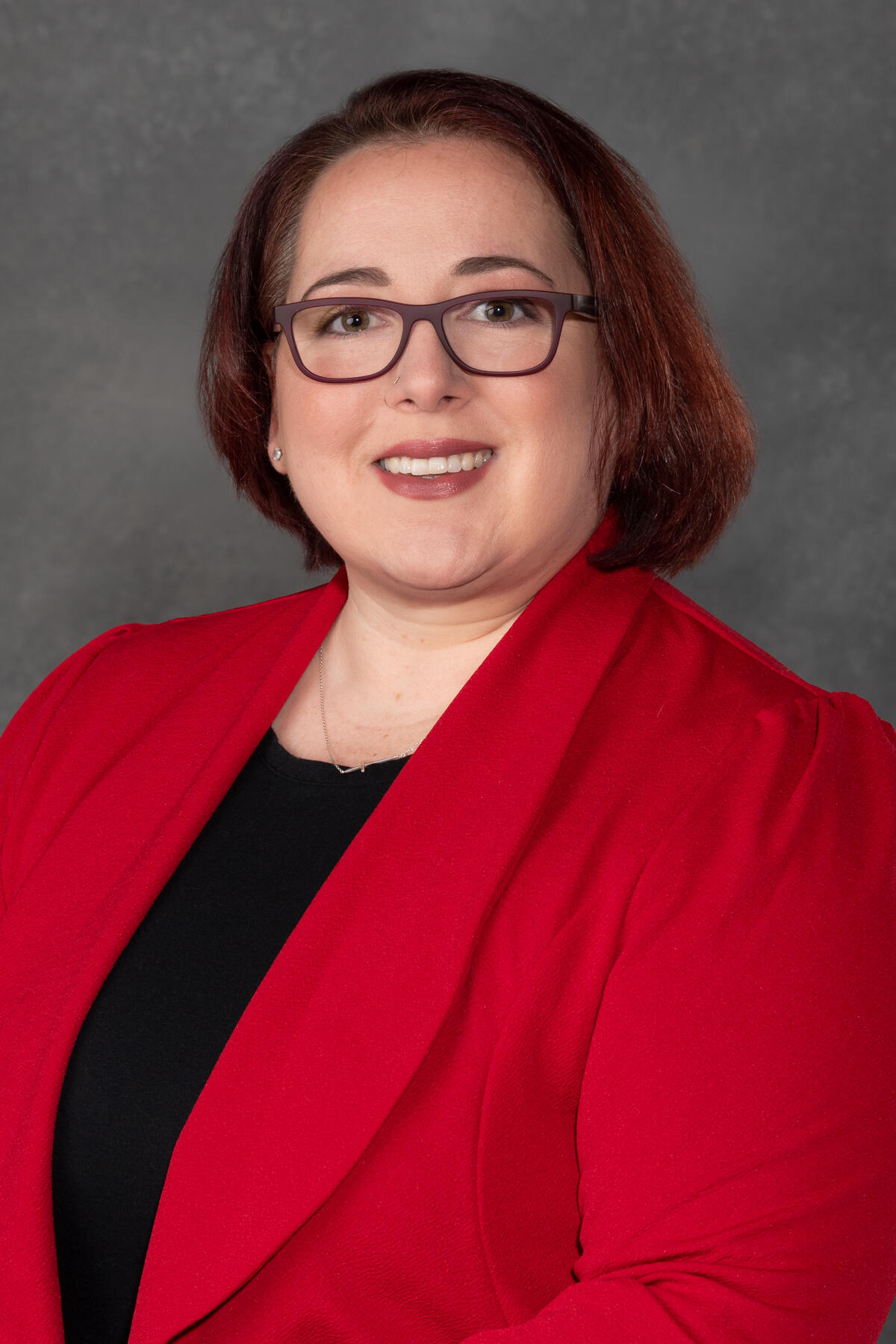
Haupt runs the program’s capstone. Amie Fuller, an emergency manager in Shenandoah County, wrote hers on wildfire mitigation. Haupt guided her through publication in the Journal of Emergency Management, a presentation at a state conference and an award from the International Association of Emergency Managers. Eighteen months later, Fuller is recognized for her expertise in wildfire mitigation.
Will Drewery’s capstone on rural counties led to his selection for a Virginia rural leadership program. Another student and several doctoral candidates are developing crisis communication planning for the Rappahannock Tribe with the Rappahannock Tribal Council’s approval. By Haupt’s count, only two other programs in North America teach tribal resilience. In each case, the work leaves the classroom before the student does.
Whyte describes the careers these students enter as “sitting at the seams between things.” Increasingly, those seams are becoming the curriculum.
The students who arrive now
The generation entering the field begins from a different set of experiences. Whyte’s students in 2017 had been shaped by the global financial crisis and Occupy Wall Street, but not yet by election interference, SolarWinds or ransomware disrupting hospitals. Today’s students know that cyberattacks can alter their lives without targeting them directly. Yet Whyte finds them less technically fluent than some who came before because technology has become easier to use without looking under the hood. The tools are more accessible while the systems beneath them are more complex.
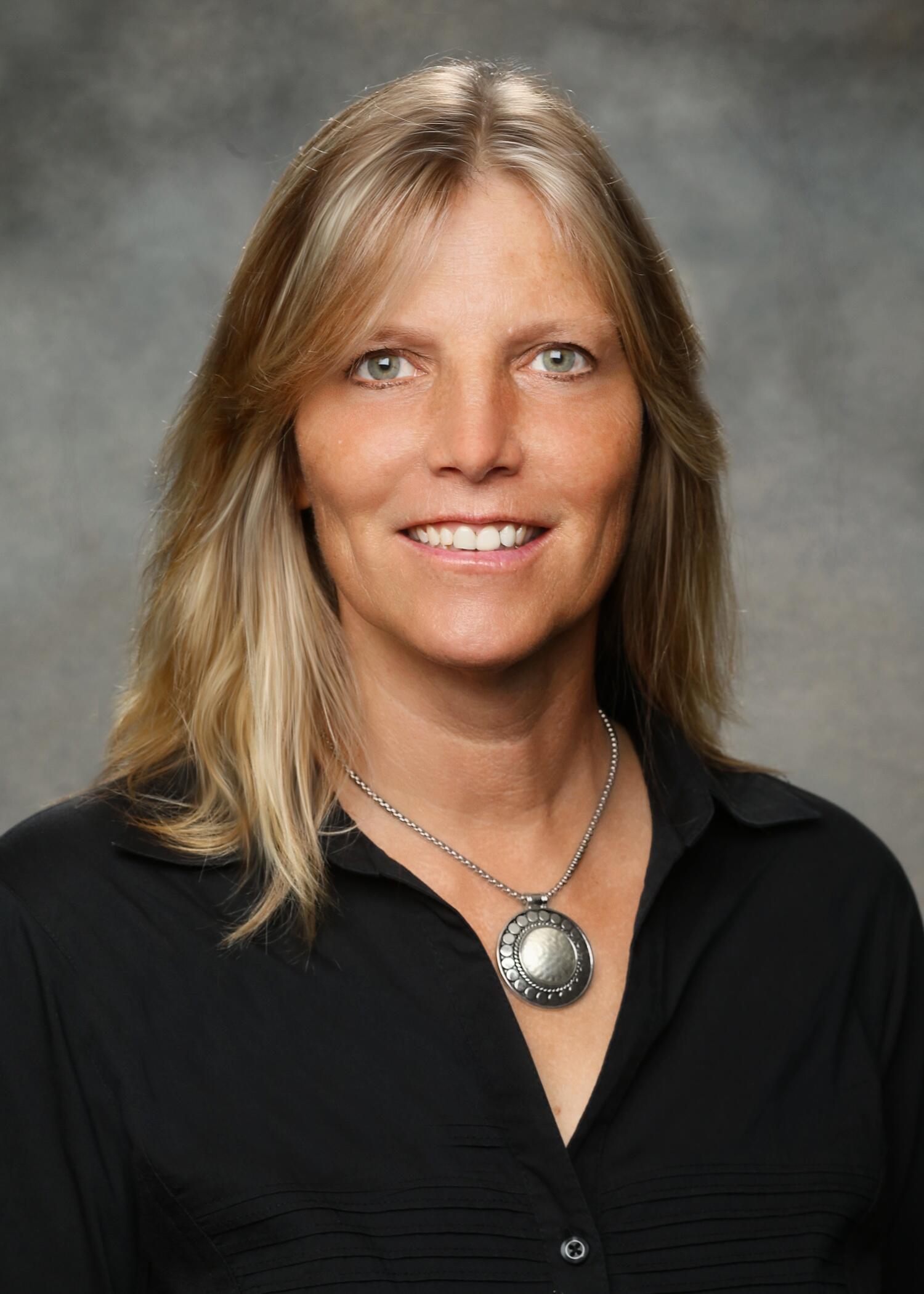
That makes judgment increasingly valuable. Moslow-Benway is rebuilding assignments so students cannot outsource the reasoning behind their work. “The real gift we can give students as part of a college education is teaching them to think critically,” she said. “That is more important than ever because, with AI, they are letting ChatGPT or Copilot think for them.”
Students are also insisting that the profession confront questions it once gave little room. Brown sees greater attention to mental health, both for communities experiencing disaster and for the people serving them. Haupt talks openly with students about her own post-traumatic stress from disaster response work. Douglas-Glenn names the durable capacities plainly: empathy, compassion, emotional intelligence and a willingness to show up. Public service, she said, citing Michael Lipsky, remains a boots-on-the-ground job. Her aim is to prepare “the next generation of public servants who can make that difference.”
Asked to compress the next decade into one sentence, Whyte returns to the story’s central argument. As threats and the systems beneath them become more interconnected, he said, the homeland security professional becomes “fundamentally less focused on specialization and more focused on consistently connecting specialties to meet those threats.”
That brings the profession back to Virginia’s one-person emergency management shops and the civil defense director who once planned primarily for one adversary. The job did not get smaller. It became wider than any one person could reasonably master.
The Wilder School cannot teach students every threat they will confront. It can train them to recognize the system surrounding a threat, find the people whose knowledge the moment requires and build a response across traditional boundaries. In a field whose greatest risks increasingly emerge between established missions, the seams are no longer peripheral to the job. They are the job.
Subscribe to VCU News
Subscribe to VCU News at newsletter.vcu.edu and receive a selection of stories, videos, photos, news clips and event listings in your inbox.