Aug. 3, 2026
VCU honored by National Postdoctoral Association
Share this story
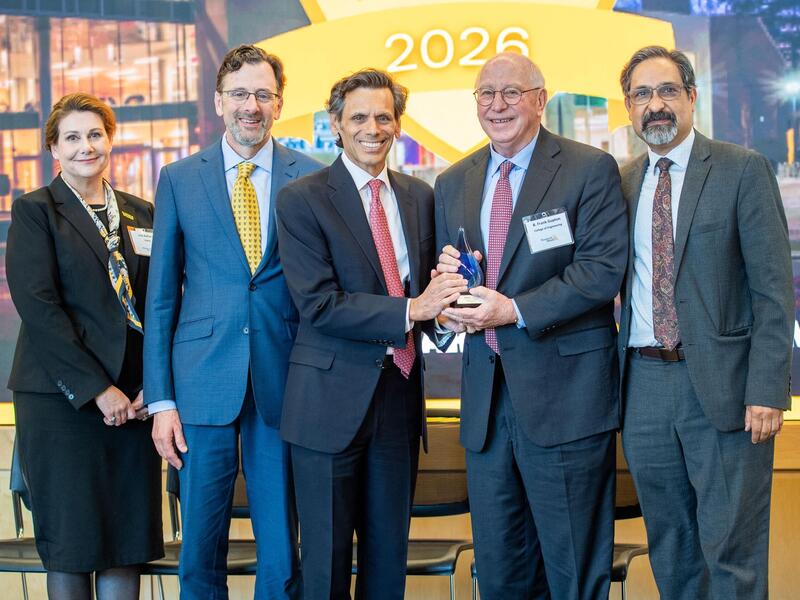
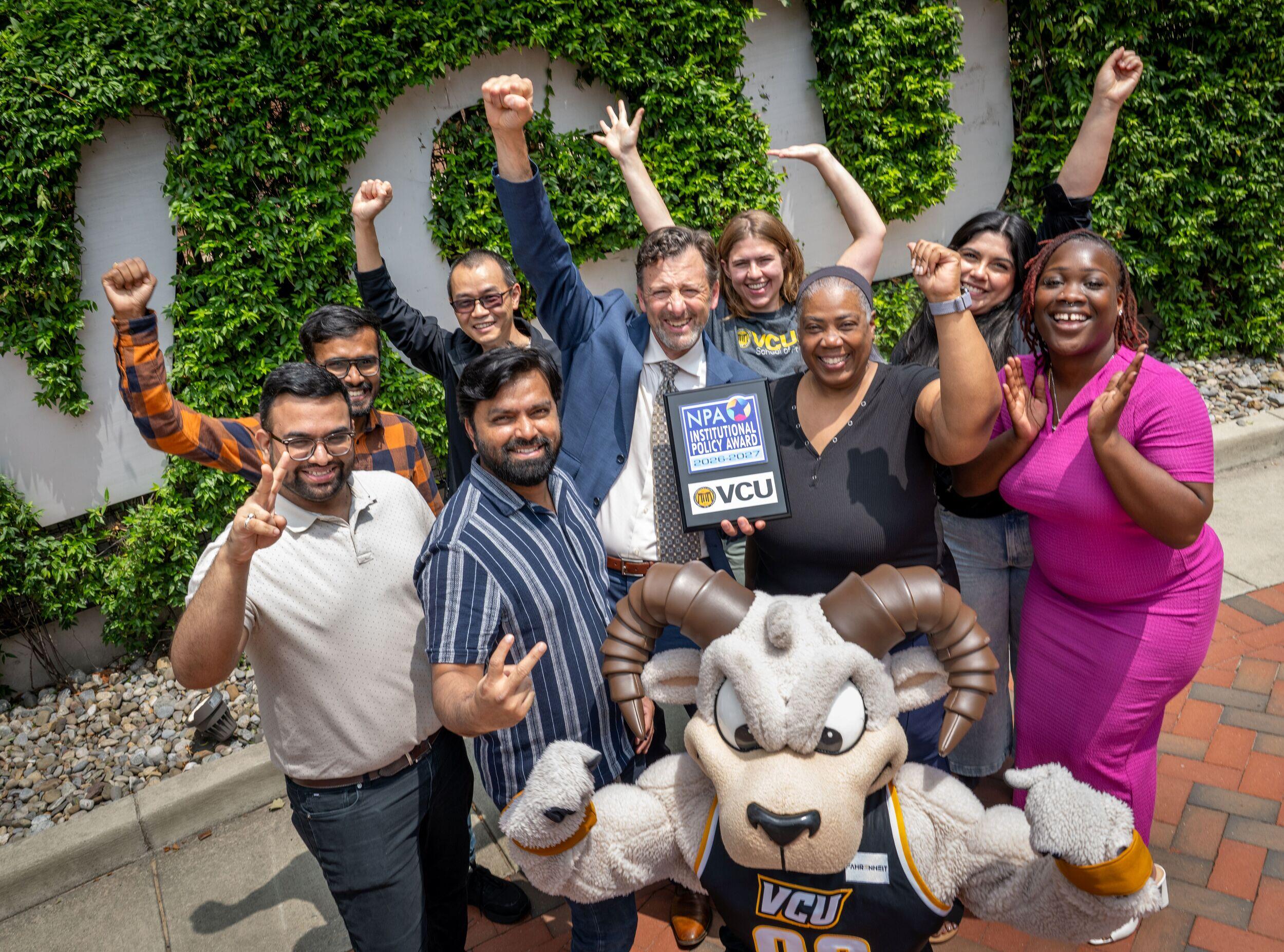
The National Postdoctoral Association recently named Virginia Commonwealth University as one of only 12 recipients of its inaugural Institutional Policy Awards, in recognition of outstanding commitment to advocating for postdoctoral fellows who are the engines of university laboratories. The honor follows a nearly decadelong initiative at VCU to fundamentally redefine and improve their experience.
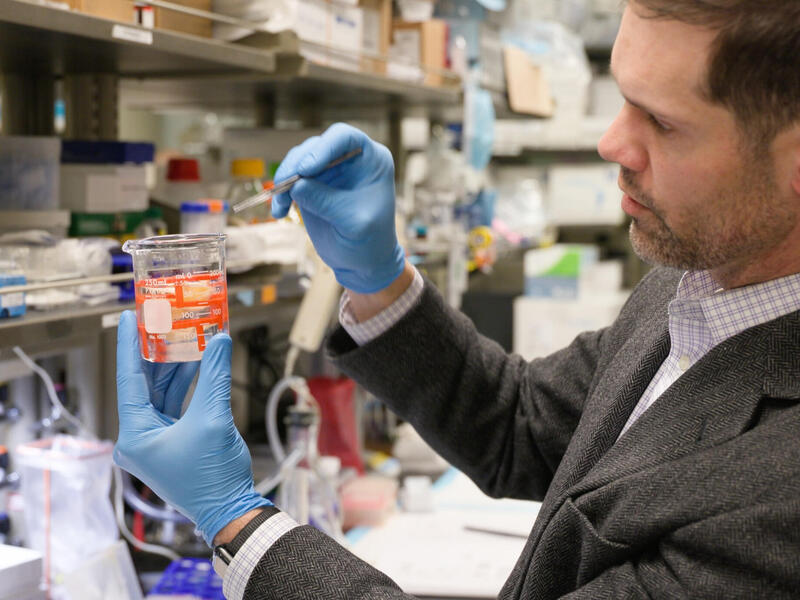
Postdocs have earned doctoral degrees and are engaged in mentored research that builds their skills. They are integral to their principal investigators and lab operations, but they often lack basic employee protections and are underpaid with few workplace benefits. High turnover is common both nationally and internationally.
Having experienced the postdoc quality of life early in his career, VCU’s associate vice president for research development, John Ryan, Ph.D., has spent years working to create structural equity – a lengthy and demanding process.
Years of effort
Within the Office of the Vice President for Research and Innovation, the Postdoctoral Services division spent years working with Human Resources and financial offices to assess whether elevating postdocs’ employment status would drain lab budgets. That, in turn, could cause an unintended drop in the VCU’s number of postdocs and its research output.
VCU decided to proceed: It alerted faculty a year in advance to prepare, and it ultimately invested more than $3 million to absorb the added benefit costs for the first 18 months after the program began.
Today, more than three years after the transition, VCU’s postdoc census has remained stable. They are full Virginia state employees, receiving the same health care, paid leave, annual cost-of-living pay increases and matching retirement benefits as full-time faculty.
VCU is the only university in the state that operates with this model.
“This national recognition from the NPA is a testament to the visionary leadership of Dr. Ryan and our entire Postdoctoral Services team, whose steadfast commitment has transformed how VCU supports its postdoctoral community,” said P. Srirama Rao, Ph.D., vice president for research and innovation. “By ensuring our postdocs receive the full compensation, benefits and institutional protections they deserve, VCU is not only strengthening our own research enterprise but also helping pave the way for a higher standard of equity and support across higher education.”
Leading at the national level
Broadening their focus beyond VCU, Ryan and Postdoctoral Services have influenced the national movement in support of postdocs who are funded by individual and/or institutional training grants.
For decades, postdocs paid by individual or institutional training grants, such as NIH T32 and F32 fellowships, have been treated as contractors at most universities. Due to how university lawyers interpreted National Institutes of Health policy, these postdocs were deemed ineligible to be employees.
This created a paradox across academia: Postdocs who were awarded prestigious, external funding were stripped of their institutional employee status and benefits, penalizing top researchers for their success.
Ryan and VCU’s Postdoctoral Services team spent several years actively working though NPA committees to advocate for clarity of the federal policy. In May 2023, the NIH issued official guidance clarifying that its policy was never intended to discourage or prevent institutions from hiring fellowship recipients as full employees with complete benefits.
VCU moved immediately to transition its training grant postdocs to full state employee status, and it now serves as a model for other universities seeking to make the same transition. VCU has since launched a training grant-focused Postdoc Grant Writing Academy, empowering researchers to secure career-advancing funding without sacrificing their healthcare, retirement or employment security.
An enduring impact at VCU
This structural overhaul initiated a sea change within Postdoctoral Services. Previously bogged down by navigating complex, isolated health insurance pools and struggling to enforce basic paid leave, the division can now defer to Human Resources and pivot full attention toward community building and career acceleration for VCU’s postdoctoral fellows.
“By converting all of our postdoctoral scholars, including those paid through training grants, to state employees with the same benefits as 12-month faculty, we have greatly improved the postdoc working conditions,” Ryan said. “Whereas our Postdoc Services group once managed employee-related problems, the university’s professional HR staff now manages these complex and important issues. This has allowed postdocs to flourish as full members of the university research community.”
Established in 2003, the NPA works to improve the postdoc experience at individual, organizational and national levels by promoting professional growth and advocating for policy change. The 12 recipients of its inaugural Institutional Policy Awards represent roughly 5% of NPA member institutions.
Subscribe to VCU News
Subscribe to VCU News at newsletter.vcu.edu and receive a selection of stories, videos, photos, news clips and event listings in your inbox.