Nov. 8, 2001
Dedication of Life Sciences Center features experts on bioterrorism
Share this story
RICHMOND, Va. – The dedication of a new life sciences building at Virginia Commonwealth University here Nov. 15 will feature a forum on bioterrorism that will showcase an innovative class for freshmen interested in the emerging disciplines that are likely to dominate 21st century scientific learning.
The panel will be comprised of an internationally recognized expert on infectious disease, an ecologist who is studying how insects can be used as sentinels to detect biohazards and an immunologist who is seeking ways to counter anthrax and other biological agents that terrorists might employ to spread disease.
The panelists, all members of the VCU faculty, are:
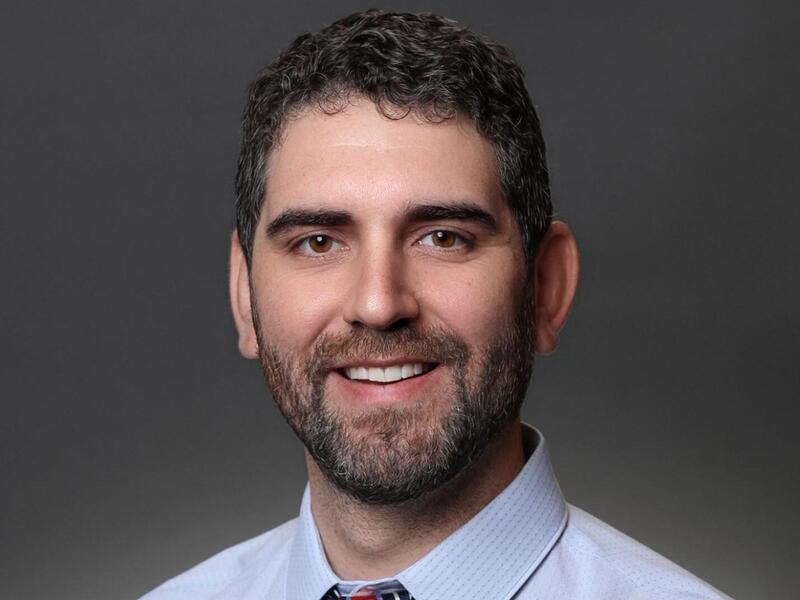
· Richard P. Wenzel, M.D., M.Sc., a renowned authority on infectious diseases who will deliver a lecture on bioterrorism to the American College of Physicians-American Society of Internal Medicine this winter. An epidemiologist and chairman of internal medicine at VCU, Dr. Wenzel is one of only a few practicing physicians who has encountered the nearly extinct disease of smallpox, which he observed while training in Bangladesh. In September, Wenzel was named the first editor-at-large of the New England Journal of Medicine.
· Denise A. Pettit, Ph.D., has a grant from the Centers for Disease Control and Prevention that is aimed at countering the effects of anthrax, botulism, plague, tularemia (rabbit fever) and brucellosis (undulant fever). Dr. Pettit, an adjunct professor of microbiology and immunology at VCU, is the lead scientist on the CDC grant at the Virginia Division of Consolidated Laboratory Services. Her lab was employed to confirm three cases of anthrax found in Northern Virginia.
· Karen M. Kester, Ph.D., an insect ecologist, is focusing her research on how insects can be used as early-warning detectors of potential biohazards. Dr. Kester is an entomologist and assistant professor of biology at VCU.
The 3 p.m. forum will constitute a special one-hour session of Life Sciences 101, a class in which freshmen science majors are exposed to lecturers and topics generally available only to graduate students.
VCU’s vice provost for the life sciences, Thomas F. Huff, Ph.D., a professor of microbiology and immunology, will preside at the simulated course session.
"In light of events since Sept. 11," Huff said, "it is increasingly obvious that we need to understand how life works in bacteria and viruses, not only for clinical reasons, but, unfortunately, for reasons of national strategic defense."
In the case of anthrax, Huff noted, "we’re in a race between genetic engineers who seek to make anthrax resistant to antibiotics and those who are trying to discover new ways to kill the bacteria."
Life Sciences 101 is a key ingredient of VCU’s commitment to preparing students for the exploding growth in careers that are linked to the deciphering of the human encyclopedia of genes. Students in the inaugural class attend weekly lectures by distinguished faculty members from both the Medical College of Virginia Campus and the Academic Campus and then break into smaller groups for twice-weekly discussion sessions.
The course was conceived by university President Eugene P. Trani as part of his goal of positioning VCU in the forefront of American universities in the teaching of the life sciences, which include biotechnology, forensics, public health, environmental studies and bioinformatics (the analysis of genomic information by large computers).
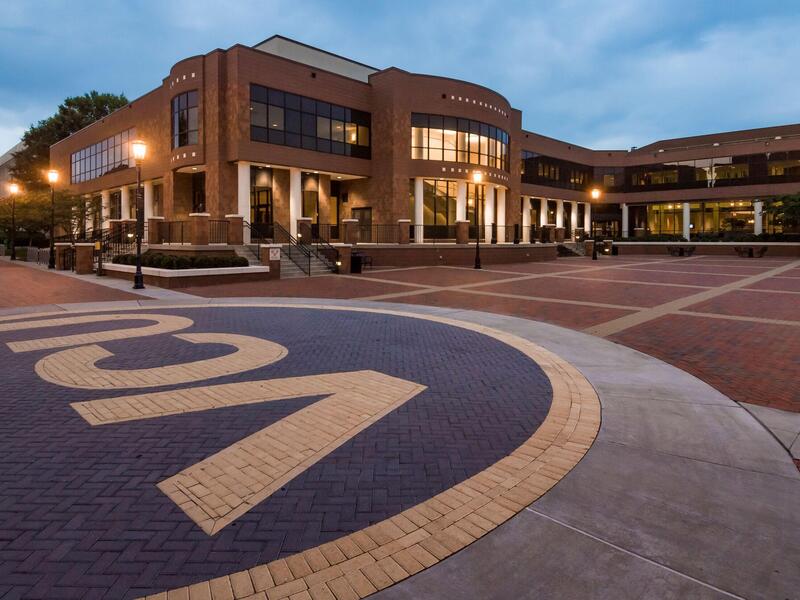
Formal dedication of the $28.1 million Eugene P. and Lois E. Trani Center for Life Sciences, named for the president and his wife, will begin at 5:30 p.m. Dedication of the building originally was scheduled for Sept. 20 but was postponed as a result of the terrorist attacks the week before.
One of the 600 invited guests is Col. Daniel L. Jarboe, Ph.D., director/commander of the Walter Reed Army Institute of Research in Forest Glen, Md., where traces of anthrax were discovered last month. Jarboe, who earned a Ph.D. in microbiology and immunology at VCU’s medical school in 1988, will receive an "alumni star" award for humanitarian achievement at a ceremony the next day.
Guests at the building dedication, including state and national leaders in the sciences and government, will view a film about VCU’s expanding national role in the life sciences, tour the building and attend a gala reception and dinner.
The 132,000-square foot, four-story building contains 44 laboratories, seven classrooms, two lecture halls and a three-climate greenhouse.
In conjunction with the building dedication, the VCU Center for Public Policy’s Commonwealth Poll is releasing a national survey that found job prospects bright for graduates in the life sciences. Another national survey by the center found that while many people express significant concerns about religious and ethical issues raised by cloning, DNA testing and the use of stem cells to create life, most support further research and are anxious to take advantage of new discoveries.
Copies of the surveys are available by contacting Cary Funk, director of The Commonwealth Poll of the Institute of Public Policy, at (804) 827-1430 or e-mail clfunk@vcu.edu. They also are available on the Web at www.vcu.edu/uns.
Subscribe to VCU News
Subscribe to VCU News at newsletter.vcu.edu and receive a selection of stories, videos, photos, news clips and event listings in your inbox.