April 24, 2026
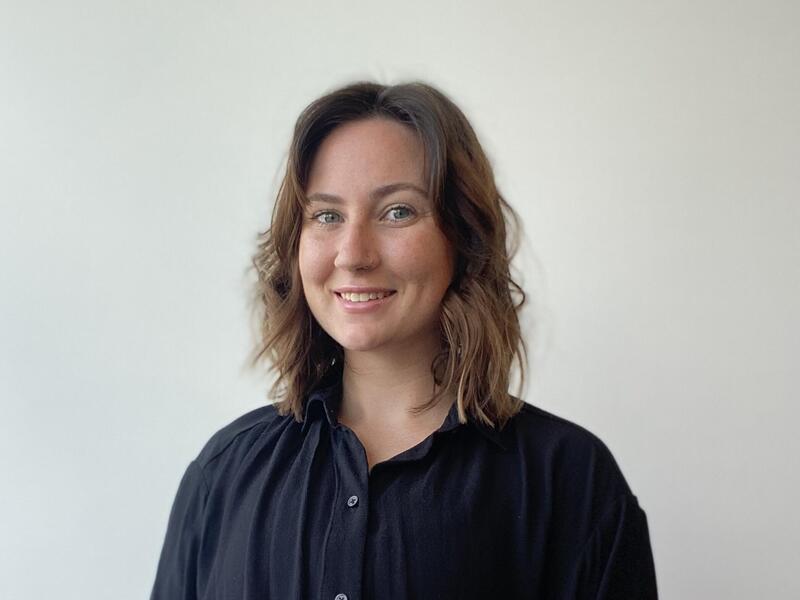
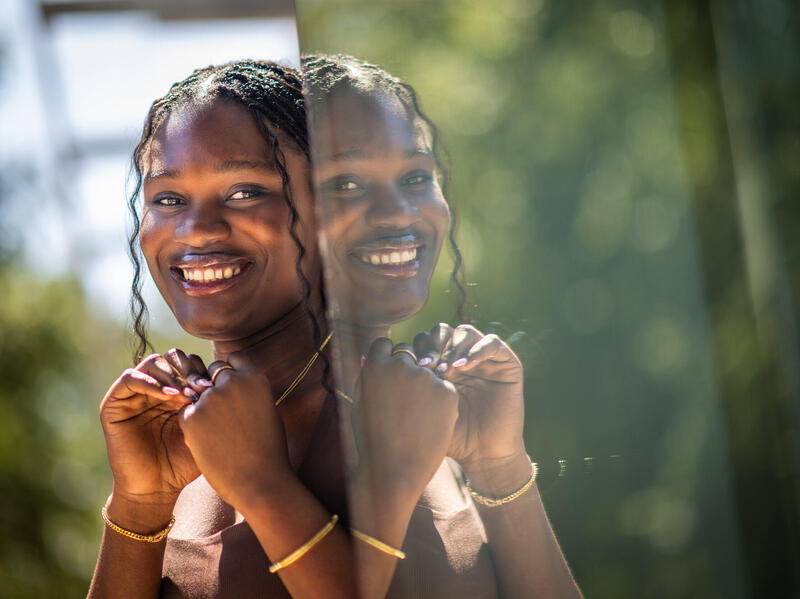
Class of 2026: Lily Turner leaves her mark through advocacy for special needs patients
Share this story
For many patients, a trip to the dentist is routine. But for individuals with sensory sensitivities or developmental disabilities, the loud sounds, fluorescent lights and unfamiliar environment can turn a cleaning into an overwhelming experience. In turn, many dentists lack the resources to help alleviate these sensory overloads.
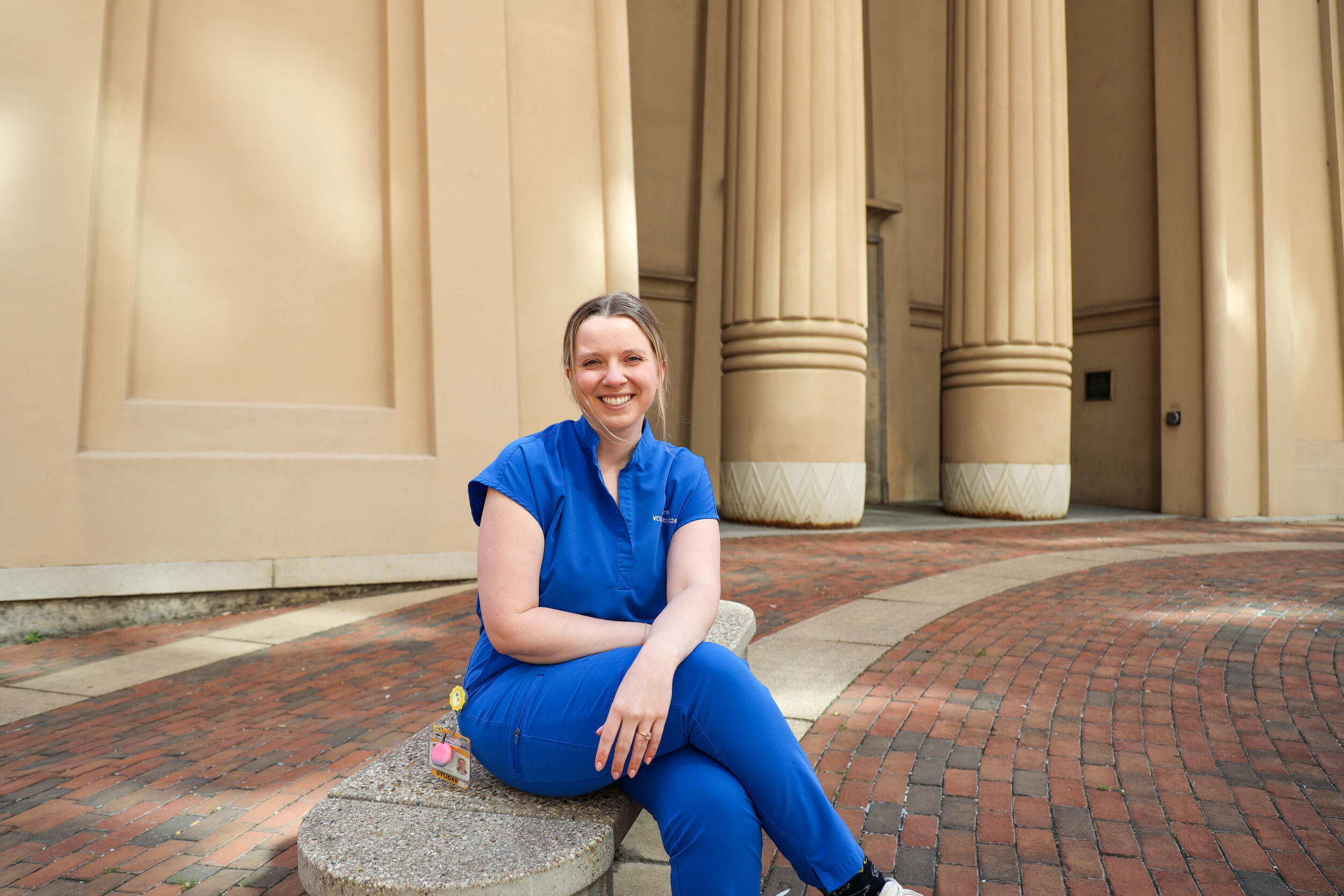
Lily Turner wanted to make things better – and in a very short time, she has.
Turner is set to graduate from Virginia Commonwealth University School of Dentistry this spring. In addition to thriving in the clinic and in the classroom, she has dedicated much of her dental education to helping patients with special needs. From collaborating with her peers to address the most pressing sensory issues for patients to working directly with special needs patients in the Dr. Roger Wood Special Care Clinic, she was determined to make positive changes for an underserved community.
Turner became interested in helping special needs patients during her first year at VCU after attending meetings of the university’s chapter of the American Academy of Developmental Medicine and Dentistry at the suggestion of her mentor, Elizabeth Bortell, D.D.S., assistant professor and director of special care dentistry.
“I completely fell in love with the patient population,” Turner said. “I learned so much from working with them, talking to them and learning about their lives and their needs. I also saw a disconnect and that they weren’t always getting the specialized care they needed.”
Bortell worked with Turner both in the special care clinic and as the faculty mentor for AADMD.
“Ms. Turner is one of the very best dental students that I have ever had the pleasure of working with,” Bortell said. “Her joy of life, kind personality, maturity and desire to learn is inspiring. She consistently finds learning opportunities, seeks out challenging clinical experiences and volunteer opportunities, particularly as they relate to patients with special care needs.”
Turner knew that she wanted to be a dentist as early as when she was 8 years old. For her, it was the perfect combination of tactical clinical skills and artistry.
However, her path to dental school wasn’t a straight shot. She grew up in the small town of Matthews, Virginia, and completed her bachelor’s degree at Christopher Newport University. Upon graduating a year early, she moved to Orlando, Florida, where she worked as a floral designer in the Fairytale Wedding department at Walt Disney World for two years.
When COVID-19 shut the world down, Turner took the opportunity to earn her master’s degree in medicinal biochemistry from University of Florida while also applying to dental school. She started at VCU School of Dentistry in 2022.
Turner’s involvement with the school’s chapter of the American Academy of Developmental Medicine and Dentistry, which seeks to address needs for patients with intellectual and developmental disabilities through multiple health care fields, proved to be a perfect match.
Turner, who currently serves as the chapter’s president, has attended the organization’s annual national conference, One Voice, with her peers for three years. It’s an opportunity to learn about other dental schools’ efforts to help special needs patients, hear from experts, and find a community of like-minded dentists. It is also a source of inspiration for Turner.
Upon returning to Richmond after one of the conferences, Turner got to work creating sensory bags for the School of Dentistry’s clinics. She enlisted the help of the AADMD chapter, and they identified the three biggest sensory issues in the clinics and some solutions for alleviating them.
“The clinic is very loud; there’s 150 of us doing dental procedures at the exact same time. It’s overwhelming and overstimulating,” Turner said. “There’s also the bright overhead lights shining directly into patients’ faces. And then there’s the general feeling of not knowing what is coming. It can cause a lot of fear in our patients.”
She decided to include earplugs, sunglasses and a fidget item to ground patients and give them a distraction in each of the sensory bags. In addition to the sensory bags, the chapter also purchased weighted blankets and neck pillows for patients to use. The AADMD chapter created and distributed 500 sensory bags during the initial run. Due to the success of the project, the chapter created an additional 300 bags.
“It’s been so great to hear other students talk about how these bags have helped their patients,” Turner said. “We get to see the positive impact firsthand.”
VCU School of Dentistry opened the Dr. Roger Wood Special Care Clinic in 2025 as a space for comprehensive and dedicated dental care for adult special needs patients. It gives students an opportunity to gain clinical experience treating patients with special needs while also giving patients a safe and calming space to receive care. Fourth-year students such as Turner perform rotations in the clinic under the supervision of faculty. It is the culmination of countless efforts to address health care needs for special needs patients.
In addition to creating sensory bags, Turner has helped organize lunch-and-learn events with VCU AADMD to educate other students about different special needs and how to provide the best care for them, and the group has hosted the parents of special needs children and speakers from organizations such as Jacob’s Chance and the Cystic Fibrosis Foundation.
“Getting to ask questions and learn about how best to meet the needs of special needs patients has been extremely enlightening for me and my classmates,” Turner said. “There’s so much value in learning directly from people what we can do to make their dental experiences better.”
Upon graduating, Turner intends to continue treating special needs patients. She described it as a priority to her no matter where she finds herself practicing, and her work with AADMD proved to be the highlight of her dental school education.
“The club has grown so much and done amazing things,” Turner said. “I’m so proud of everything we have accomplished, and I can’t wait to see what it continues to do after I’ve graduated.”
A version of this story was originally published on the School of Dentistry website.
Subscribe to VCU News
Subscribe to VCU News at newsletter.vcu.edu and receive a selection of stories, videos, photos, news clips and event listings in your inbox.