May 26, 2026
VCU to offer new undergraduate degree in robotics and autonomous systems engineering
Share this story
The state’s first undergraduate degree in robotics and autonomous systems engineering will be offered beginning this fall in Virginia Commonwealth University’s College of Engineering.
Advances in artificial intelligence and automation are driving demand for engineers who can design, integrate and deploy robotic and autonomous systems across industries such as manufacturing, healthcare, defense and transportation. The global robotics market is projected to grow from $11.5 billion to $78.8 billion by 2033, and over the next decade, Virginia alone is projected to add more than 10,000 jobs in aerospace and unmanned systems.
“It’s our duty as educators to look forward and imagine what the future needs of industry will be in order to prepare our students for that world,” said Azim Eskandarian, D.Sc., the Alice T. and William H. Goodwin Jr. Dean of the VCU College of Engineering. “We have created a unique, project-based program. Our specialty courses in robotics and autonomous systems are designed to be project-based, allowing students to engage in creative, hands-on learning. The fundamental prerequisite courses are taught conventionally to provide a strong math, science and engineering foundation.”
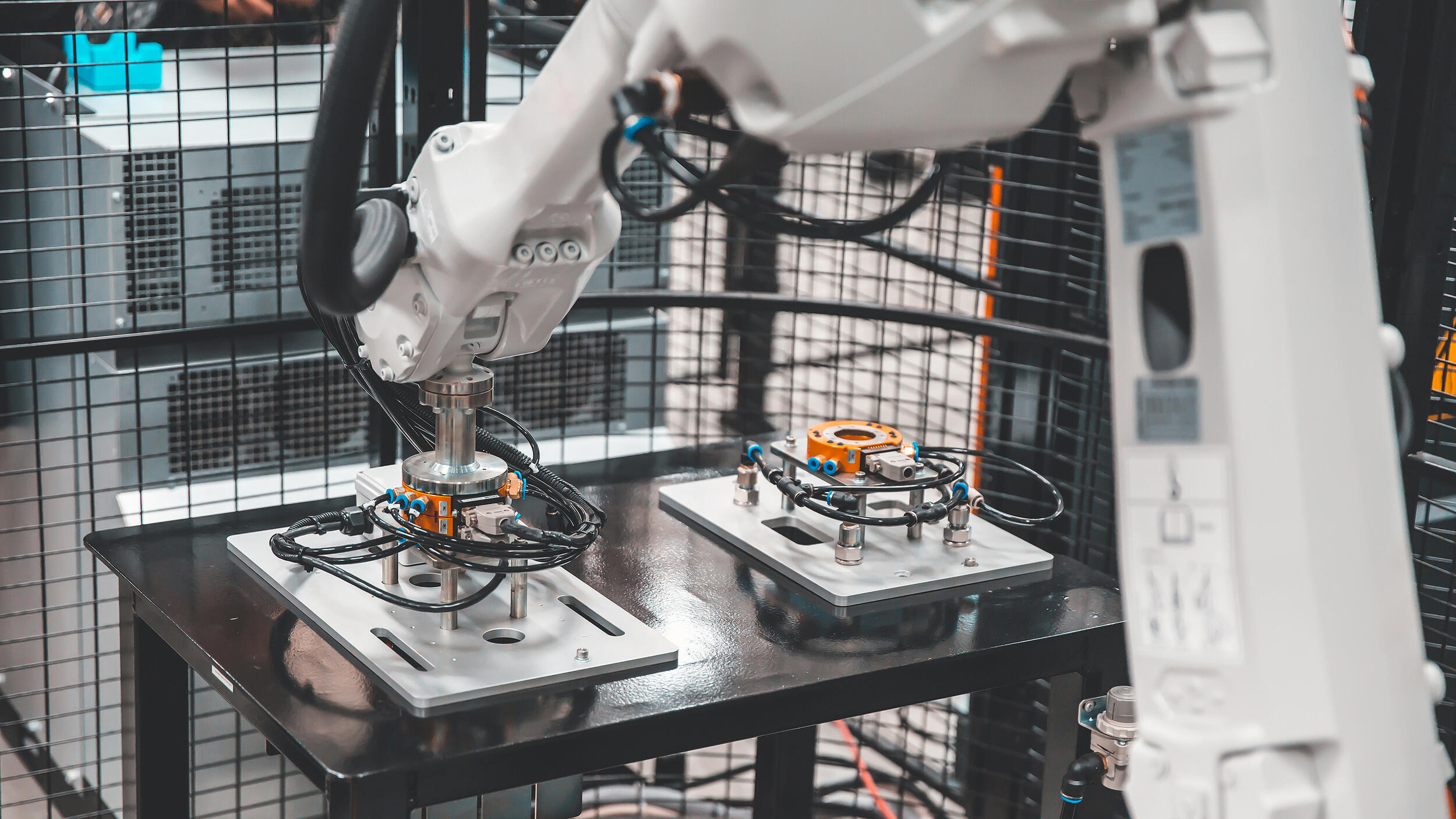
The four‑year Bachelor of Science degree requires 121 credit hours and includes a two‑semester senior capstone where students design and build working robotic or autonomous systems. Courses will be taught by faculty from electrical and computer engineering, mechanical and nuclear engineering, and computer science, highlighting the importance of the cross-disciplinary skillset necessary for this advanced career path. Three new full-time faculty will join the College of Engineering to support the new degree, complementing existing faculty expertise. And a dedicated instructional robotics lab will accompany the program’s launch.
Courses in mechatronics, robotics, feedback control, AI and embedded systems form the core of the degree program, along with foundational math and computer science prerequisites. Hands-on, project-based learning emulates the kind of environment students will work in as full-time engineers after graduation. Ethics and systems-thinking coursework round out the program’s offerings, teaching students to be adaptable in a rapidly changing field where innovation is key to success.
“We expect our first RAS Engineering class to graduate in the spring of 2030, and will seek ABET accreditation soon after,” Eskandarian said. “By late 2031, we hope to have a program that students and industry can count on to lead the field of robotics and autonomous systems to a future with limitless potential. The purpose of our Bachelor of Science in robotics and autonomous systems engineering is to create an interdisciplinary, real-world educational experience for students that prepares them for life after graduation. It also creates a talent pipeline for our many industry partners who need this expertise to remain competitive in the marketplace.”
Subscribe to VCU News
Subscribe to VCU News at newsletter.vcu.edu and receive a selection of stories, videos, photos, news clips and event listings in your inbox.