May 19, 2003
Nettleman suggests new approaches for financing primary care
Share this story
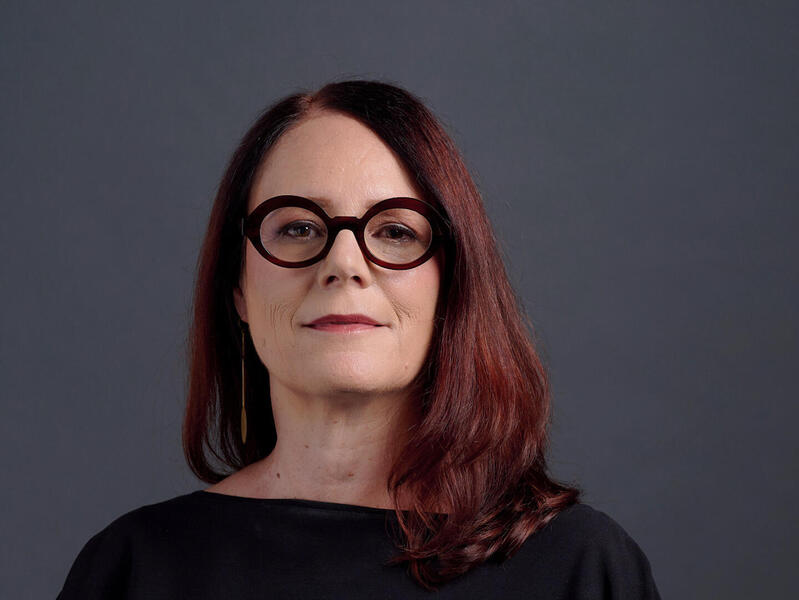
Academic medical centers should consider new approaches for financing their critically important, but consistently money-losing, primary care operations, including getting tough with insurers who don't pay enough to cover costs, Dr. Mary D. Nettleman told an international meeting of division chiefs of general internal medicine.
Nettleman, M.D., M.S., professor and chair of general internal medicine and primary care at the VCU Medical Center, outlined the business challenges facing primary care for an April 30 management institute organized by the Association for Division Chiefs of Internal Medicine, a professional development and networking group. The institute was held in conjunction with the 26th annual meeting of the Society of General Internal Medicine.
Nettleman pointed to insufficient reimbursement for "face time" with patients and indigent care as among the reasons that primary care fails to cover its costs from direct billing. Academic medical centers, in particular, have accepted low reimbursement for primary care, focusing instead on negotiating rates for more lucrative specialties. Community providers have the ability to charge for laboratory tests or other ancillary procedures, but academic medical centers perform such tests in centralized core areas, leaving primary care providers without ancillary revenue. Complex systems necessary to run a large academic institution adds costs that community providers do not face. The result is that receipts are not sufficient to cover expenses.
The shortfall means primary care operations must be subsidized by more-profitable units, "creating the impression that we are not working hard enough," she said.
Academic medical centers should start by benchmarking their billing costs and assessing billing effectiveness. But bringing primary care operations to at least the break-even point may require more dramatic actions, she said, including charging for no-shows and prescription refills and even dropping patients who don't pay.
"All of us got into primary care because we want to promote health, prevent disease and really work as a partner with our patients to meet their health needs," Nettleman said. "But we also need to improve our bottom line so that we can continue to provide high-quality clinical care and help advance the field of medicine."
Subscribe to VCU News
Subscribe to VCU News at newsletter.vcu.edu and receive a selection of stories, videos, photos, news clips and event listings in your inbox.