March 2, 2026
VCU researchers partnering with public schools on math education
Share this story
A math equation might have a single answer, but math education can take multiple forms. Powered by a state grant, Virginia Commonwealth University researchers are partnering with five public school divisions to help them implement math curriculums that best serve their students – and help them collaborate as educators.
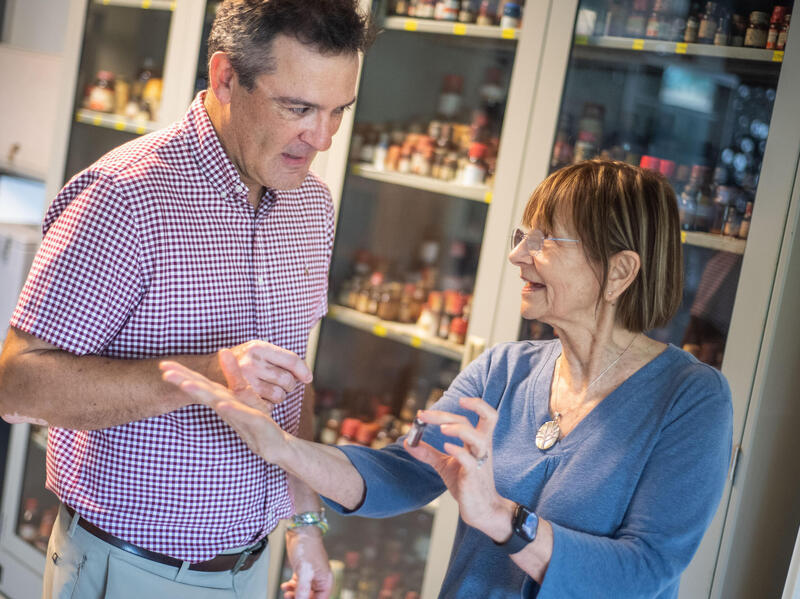
“A lot of the time, curriculums are written with different philosophies of teaching math than what teachers are used to,” said Samuel Rhodes, Ph.D., an assistant professor in the Department of Teaching and Learning in the School of Education.
He and two VCU colleagues – Heather Nunnally, Ph.D., a teaching associate professor in the Department of Mathematics and Applied Mathematics in the College of Humanities and Sciences, and John Fife, Ph.D., director of the Center for Innovation in STEM Education, part of the School of Education – are working with school divisions in a project supported by a nearly $1.5 million grant from the Virginia Department of Education.
They will provide coaching and support to educators from five divisions – Charles City, King and Queen, King William, Mathews and Williamsburg-James City counties – as they assess district-level data, identify math curriculums that target their needs and design strategies to introduce them into the classroom. The grant was awarded to Charles City County.
Though the initial grant will end in June, the team is applying for an extension that will run through December. An overarching goal of the project is creating a network of collaboration that will continue after the grant is complete.
“We’re going to cater to each individual district but, at the same time, create this community where they can, even after the grant is done in December, still communicate with [and support] each other,” Nunnally said. “When you work with teachers and really strengthen their pedagogy and their math content knowledge, you’re affecting more students than if you were just working with student groups.”
The VCU researchers stand to benefit as well. They note that there can be a divide between how math education is taught to teachers during their instructional training and what they actually experience with students in their classrooms. In the project, feedback from the educators can help VCU tailor its teacher-training methods, too.
“We will learn as much from the divisions as they will hopefully learn from us,” Rhodes said. “The more that we can foster collaboration between divisions, the more we can create knowledge mobility. That knowledge mobility can take what’s working really well in one division and then help other divisions implement it as well. It’s not just VCU being the keepers of knowledge.
Especially with small, rural divisions, like some of those located throughout Central Virginia, the needs of the community can be unique.
“When you can build on the strengths of those communities, you produce better outcomes in the long run,” Rhodes said, so collaboration is “really critical to us being effective with what we do.”
Subscribe to VCU News
Subscribe to VCU News at newsletter.vcu.edu and receive a selection of stories, videos, photos, news clips and event listings in your inbox.