April 6, 2011
April Faculty and Staff Features
Share this story
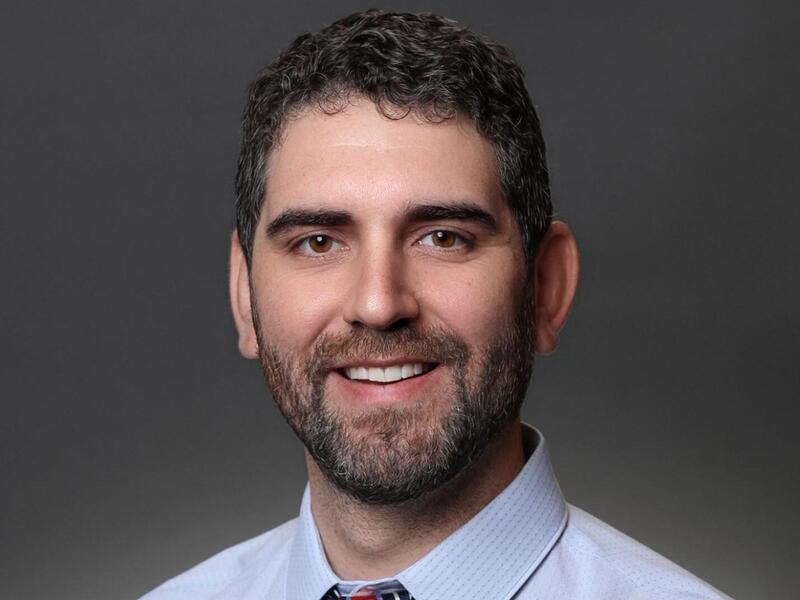
Kenneth S. Kendler, M.D., Departments of Psychiatry and Human and Molecular Genetics, School of Medicine
Kendler, professor of psychiatry and human and molecular genetics at Virginia Commonwealth University and director of the Virginia Institute for Psychiatric and Behavioral Genetics, co-edited the book “The Dynamic Genome and Mental Health: The Role of Genes and Environments in Youth Development.” The volume features the latest theories and evidence supporting the inter-relation between genes and environments as they influence the development, mental health and substance use of adolescents. The book provides an overview for a non-specialist audience of the latest approaches to gene-environment relations. The chapters are written in accessible language and are relevant to anyone interested in the mental health and development of adolescents, including researchers and practitioners in behavioral, social and medical fields. Kendler edited the book along with along with Sarah Jaffee, a developmental psychopathologist at Kings College in London, and Daniel Romer, director of the Adolescent Communication Institute of the Annenberg Public Policy Center at the University of Pennsylvania.
Nicholas Farrell, Ph.D., Department of Chemistry
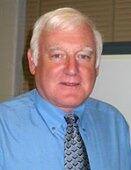
Farrell, professor in the Department of Chemistry, founded the North American-based Wild Geese Irish Scientific Network, an organization designed to provide networking opportunities for Irish scientists in North America. Farrell serves as president of the network.
The inaugural meeting of the network was held in Washington, D.C., in February and was attended by representatives from Irish Government agencies, including the Office of the Chief Scientific Advisor, Science Foundation Ireland, the Health Research Board and the Marine Institute.
Farrell was named a 2010-2011 Jefferson Science Fellow from the U.S. State Department. The Fellowship, which is administered by The National Academies, is designed with the purpose of engaging academics at the forefront of science, technology and engineering (STE) in the formulation and implementation of American foreign policy. About six or seven awards are granted annually and recipients spend a year at the State Department or U.S. Agency for International Development advising top officials on areas requiring STE expertise.
Subscribe to VCU News
Subscribe to VCU News at newsletter.vcu.edu and receive a selection of stories, videos, photos, news clips and event listings in your inbox.