May 14, 2010
Award-Winning Medical Journalist Speaks at VCU
Share this story
An award-winning medical journalist says patients and physicians need to do more talking about the wisdom of treatment options as health care costs continue to soar.
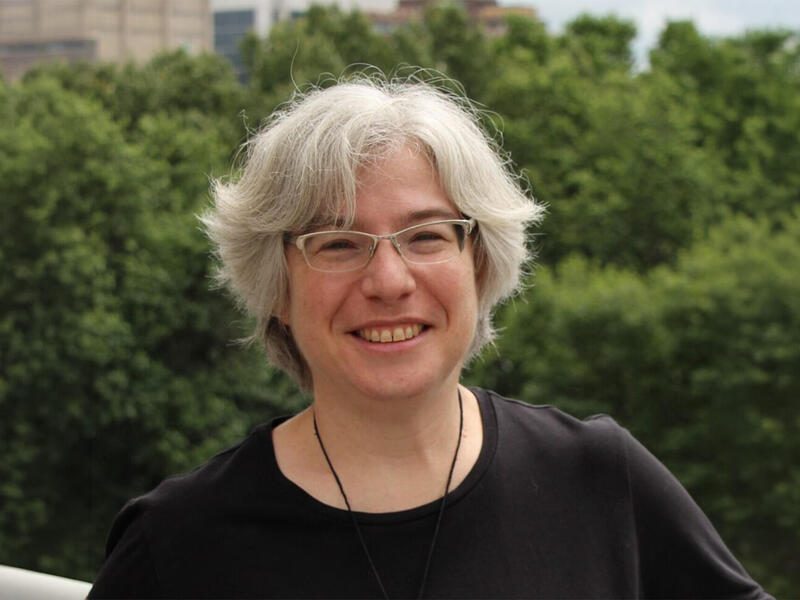
“There needs to be more shared decision making — primary care is where this needs to happen,” said Shannon Brownlee, who on Thursday spoke at the Virginia Commonwealth University School of Medicine’s annual Family Medicine/Holland Lecture at the Larrick Student Center on the MCV Campus.
Brownlee is the author of “Overtreated: Why too Much Medicine is Making Us Sicker and Poorer,” which the New York Times named the best economics book in 2007.
Anton Kuzel, M.D., chair of the Department of Family Practice at the VCU School of Medicine, urged his colleagues to read Brownlee’s book for its insights and keen observations. And he introduced her as an authority in her field.
Brownlee spoke on many of the hot-button issues involved in the prickly topic of health care reform, including the rising costs, and how patients and physicians can decide on which treatment is best, or no treatment at all.
She noted that a study by the Congressional Budget Office forecast that if health-care costs continue to rise at the current rate, they could consume half the U.S. Gross Domestic Product by 2052.
"Our sidelines will be weapons manufacture and financial services,” Brownlee said, drawing a gale of laughter from her audience.
Brownlee said there are a lot of questions to be answered about medical treatment options, including why the incidence of certain types of surgery can vary so widely across the country. One chart, for example, showed more than three times more back surgeries in Lubbock, Texas, per 1,000 Medicare enrollees in 2005 than there were in New York City.
Brownlee said efforts are under way to develop “patient aids” – brochures, videos and the like -- that will help people decide on whether to proceed with certain types of medical treatment, in discussions with their primary care physicians.
But she said if such as system is implemented nationwide, it must include provisions to pay physicians for the time those discussions consume.
Subscribe to VCU News
Subscribe to VCU News at newsletter.vcu.edu and receive a selection of stories, videos, photos, news clips and event listings in your inbox.