Oct. 15, 2026
cRam Session: Richmond Haunts
Share this story
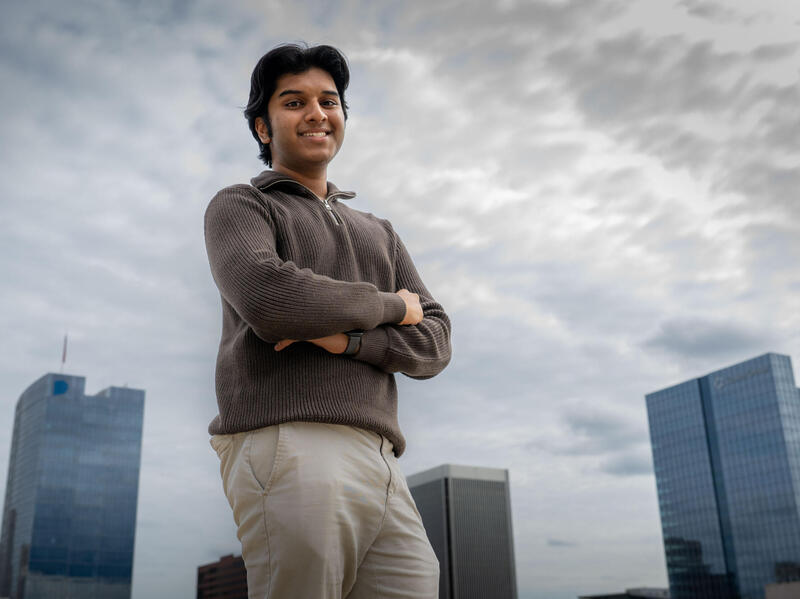
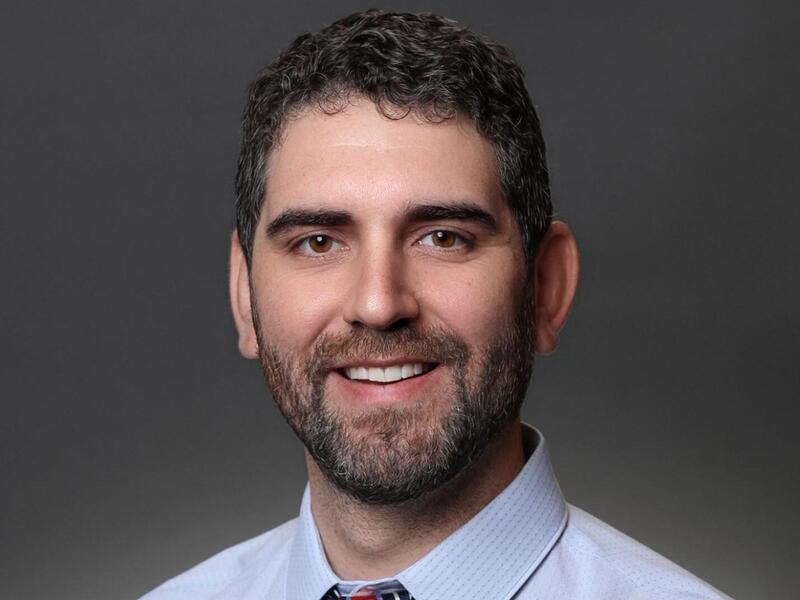
cRam Session is a VCU News feature that highlights the breadth of offerings in the VCU Bulletin course catalog and the wide-ranging expertise of the instructors. Professor Ryan Smith, Ph.D., teaches in the Department of History in the College of Humanities and Sciences. He shares quick insight from his Richmond Haunts course.
What is a significant development or trend related to your course’s subject?
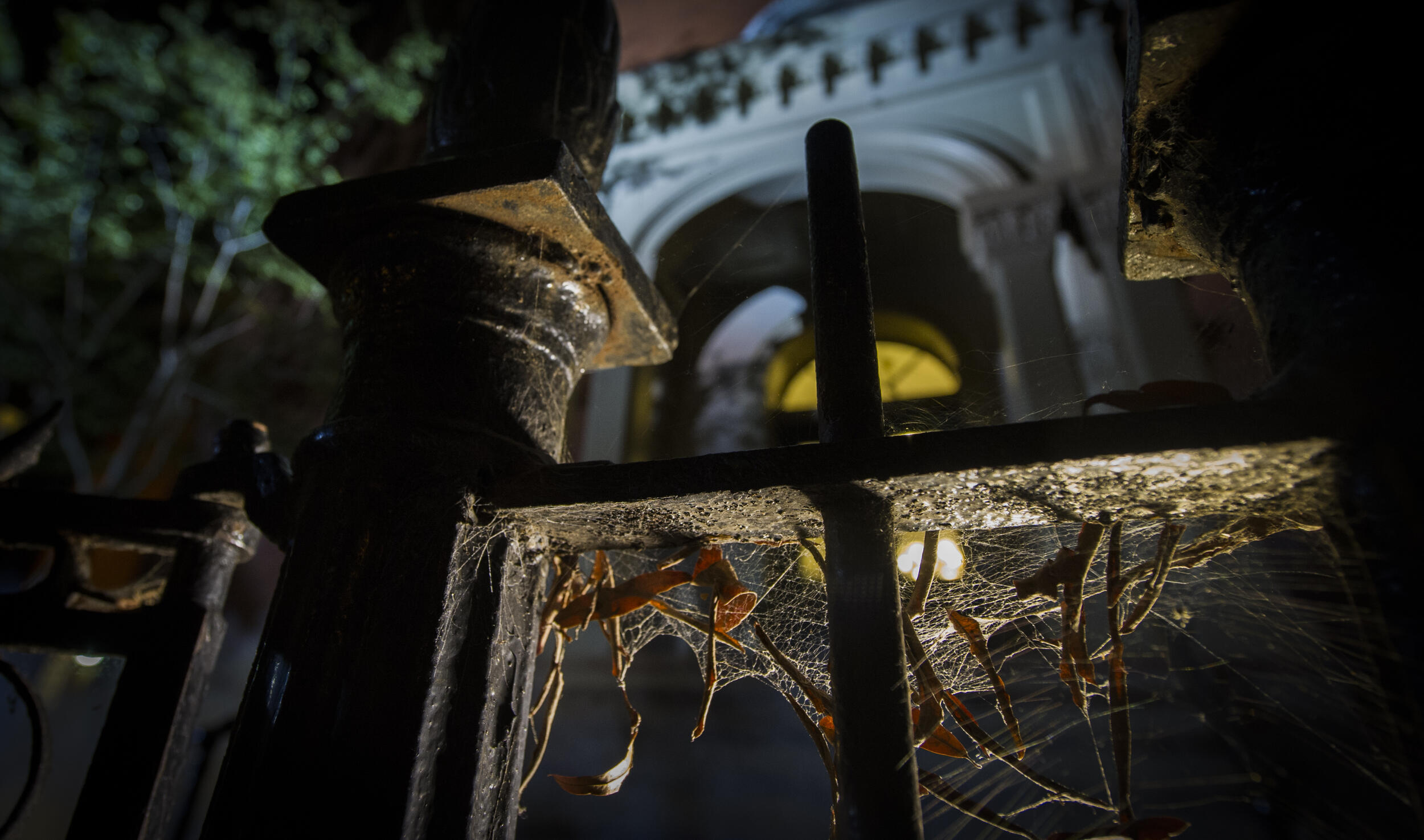
Ghost investigations and haunted history tours are having a big moment right now. They are part of a relatively new industry known as “dark tourism,” which caters to interests in exploring places of death, disaster and atrocity.
An example of that rising interest can be seen at Colonial Williamsburg, which hosted no public ghost tours at all 40 years ago. Now such tours are among the most popular offerings there. Here in Richmond, the first ghost tour company was founded in 2004. Today the city hosts at least three of those companies, and many sites like Agecroft Hall and St. John’s Church now offer haunted programs at special times of the year.
These can be lighthearted, but there are a number of observers who worry about what all this means, especially for the U.S. South. They see Richmond’s human history, involving the slave trade, war and Native displacement, as dark enough.
How does an element of this subject intersect with a different field in ways that might not seem obvious to us?
Ghost stories bring together history, literature and urban planning in interesting ways. They are particularly attached to place.
For example, we are reading tales of hauntings from two celebrated Richmond authors: Ellen Glasgow and Edgar Allan Poe. Moving beyond the settings of those stories, we are asking how Richmond’s landscape may have shaped their plots and characters. What role did Glasgow’s town house on Main Street, which survives today, play in informing her sensibilities? Or, considering a different angle, how does the Poe Museum keep the author of “The Fall of the House of Usher” grounded in our community today?
And modern planning projects often trigger memories, as with the opening of the Pocahontas Parkway (Route 895) in 2002. A month after it opened, the history of thousands of years of Native settlement on that land emerged via a burst of associated Indian ghost sightings by motorists and officials.
What is your favorite assignment you have students do?
Lots of people are interested in learning about Richmond’s past through its darker underside, and we are working on a project to gather a diverse set of readings involving the city’s history, landscape and ghostlore.
Nearly 50 years ago, two VCU faculty members edited a volume that collected sources on the city’s history, but that published volume is now hard to find, and the authors and subjects represented in it are rather traditional. We are looking for more unusual stories and more underrepresented authors that we could share widely with readers near and far online.
The students are digging for source readings that interest them and then are providing introductory framing to give historical context for their selections. When we share the class selections with the public at the end of the semester, we hope the project opens new windows into the city we live in and gets people excited to explore it.
Subscribe to VCU News
Subscribe to VCU News at newsletter.vcu.edu and receive a selection of stories, videos, photos, news clips and event listings in your inbox.