Oct. 22, 2007
Declining Household Income Could Have Impact on Health, VCU Researcher Says in Journal of the American Medical Association
Share this story
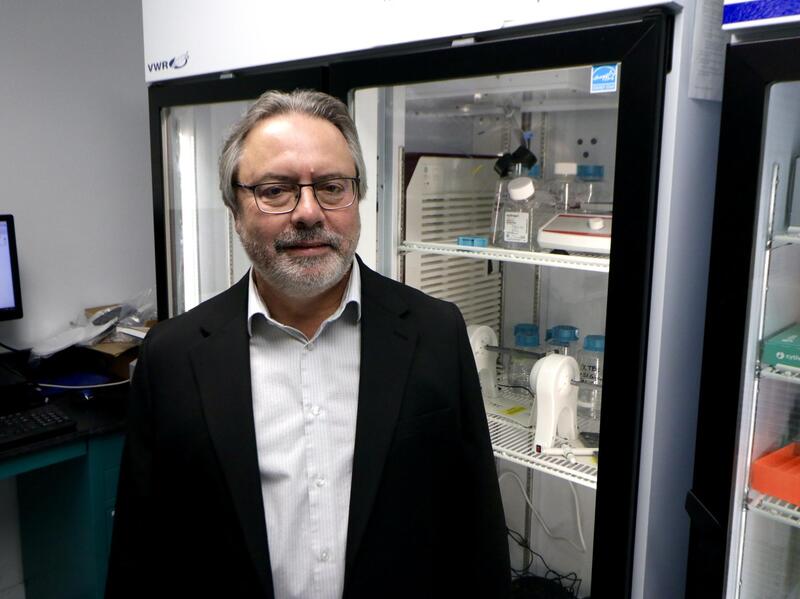
Steven H. Woolf, M.D., M.P.H., professor in VCU's Department of Family Medicine and a member of the National Academy of Sciences' Institute of Medicine, called on the nation's health care community to focus on the potential consequences now.
Woolf wrote that although poverty in the United States declined in the 1990s, it resurged after 2000, increasing from 11.7 percent to 12.6 percent between 2000 and 2005.
"An expansion in the prevalence of poverty, especially severe poverty, is likely to produce severe health consequences and to stress clinical facilities serving the poor," Woolf wrote.
Woolf said because most social classes are experiencing some income loss, the health status of all but the very rich could be affected. But he said pursuing policies that promote education and increase incomes could positively impact health and the economy.
"Efforts to improve education and income, seemingly unrelated to medicine, have the potential to accomplish more to reduce the severity and costs of major diseases than traditional medical advances," Woolf wrote.
Woolf's comments appeared in an editorial that is part of a special global theme issue on poverty and human development in the Oct. 24 JAMA. Woolf also has an appointment in VCU's Department of Epidemiology and Community Health.
Subscribe to VCU News
Subscribe to VCU News at newsletter.vcu.edu and receive a selection of stories, videos, photos, news clips and event listings in your inbox.