Feb. 18, 2026
Documentary explores MLK’s relationship with the Richmond community
Share this story
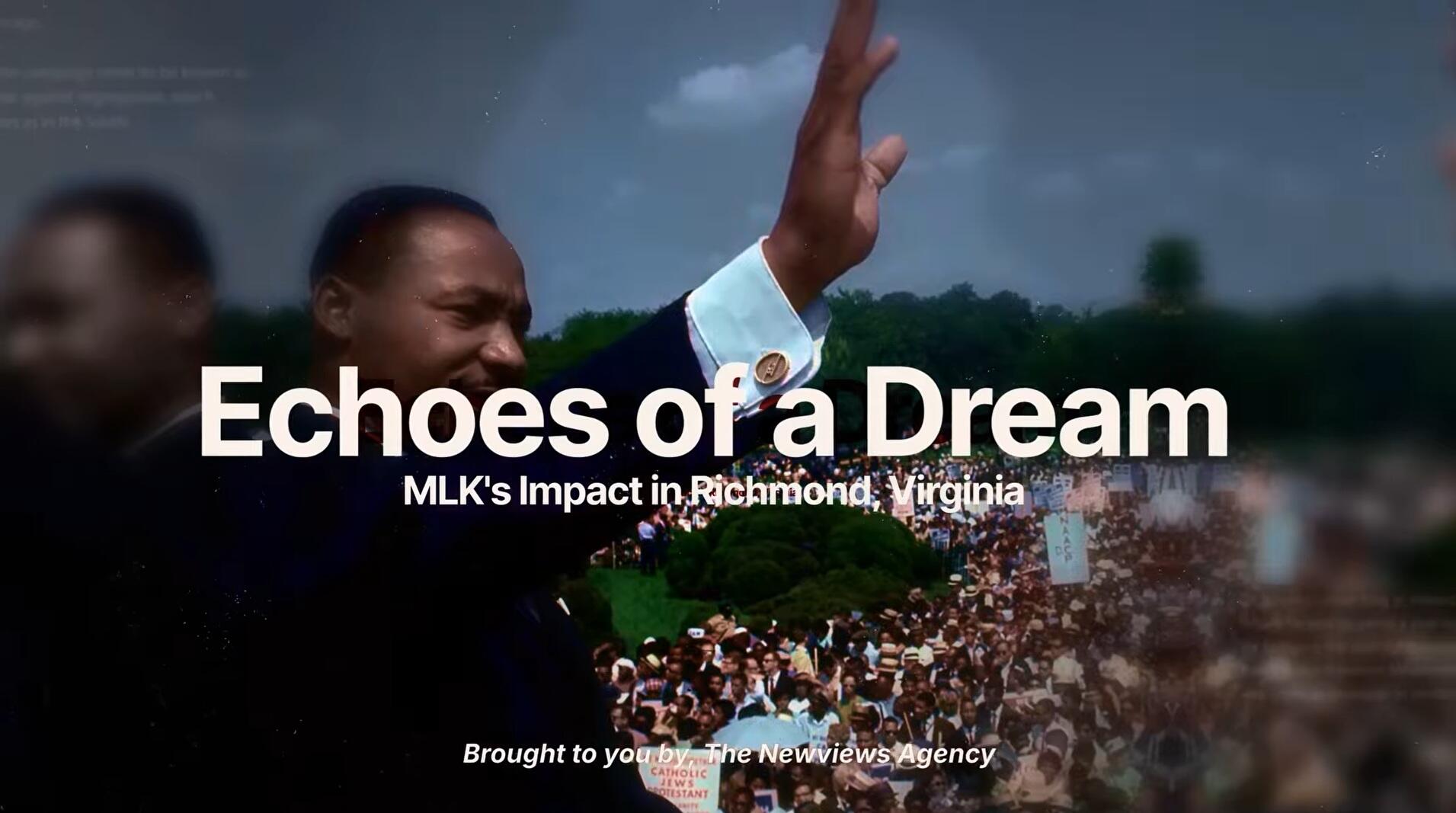
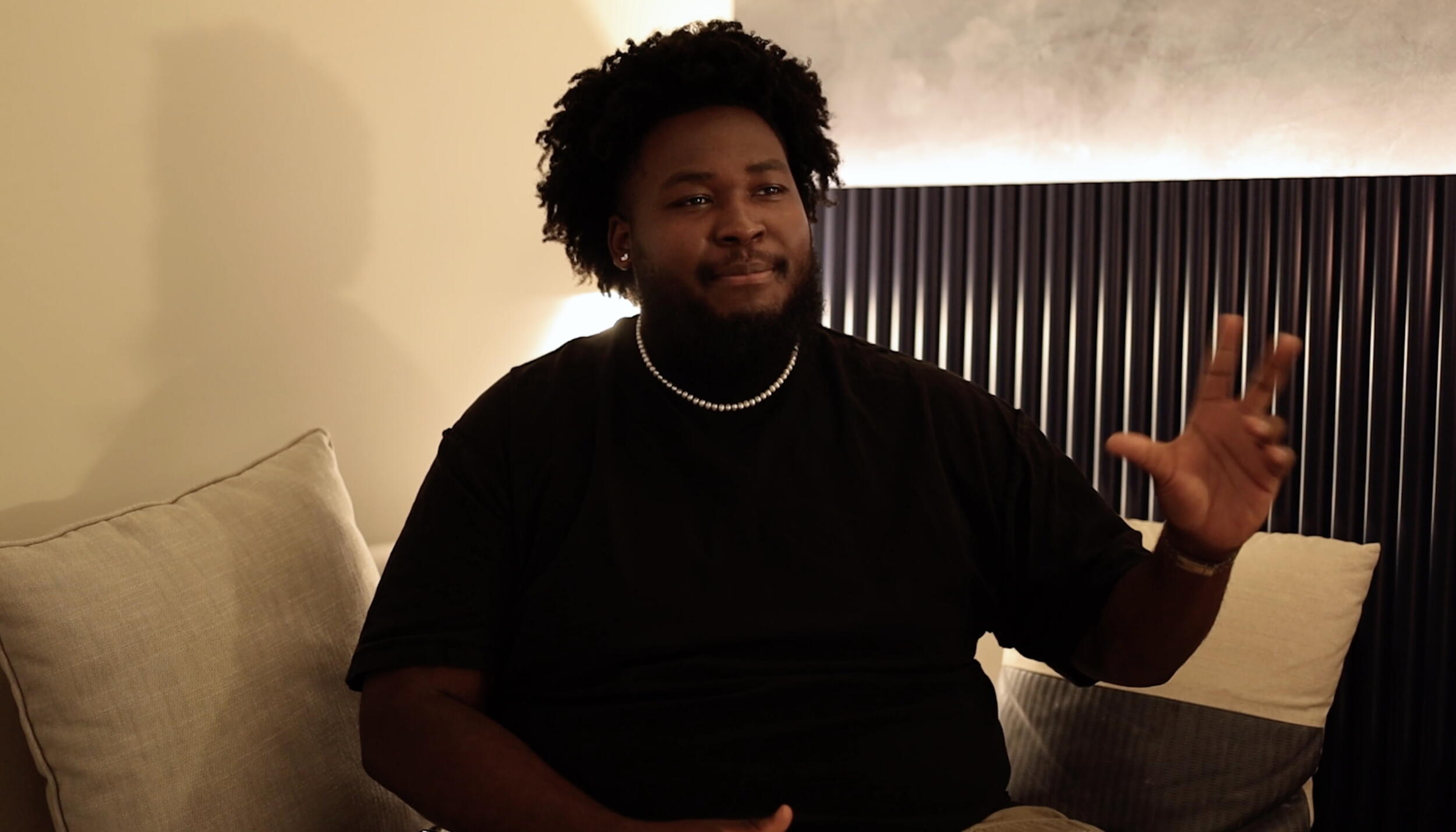
How do you create the next chapter of change? Tyrone Nelson Jr. set out to answer that question with his new documentary, “Echoes of a Dream.”
The film is a short historical feature that explores the lesser-known relationship that Dr. Martin Luther King Jr. had with Richmond. For Nelson and his team, however, “Echoes of a Dream” is not simply a period piece meant to honor King’s legacy; it also is designed to recognize the unfinished work, spark dialogue and inspire action today.
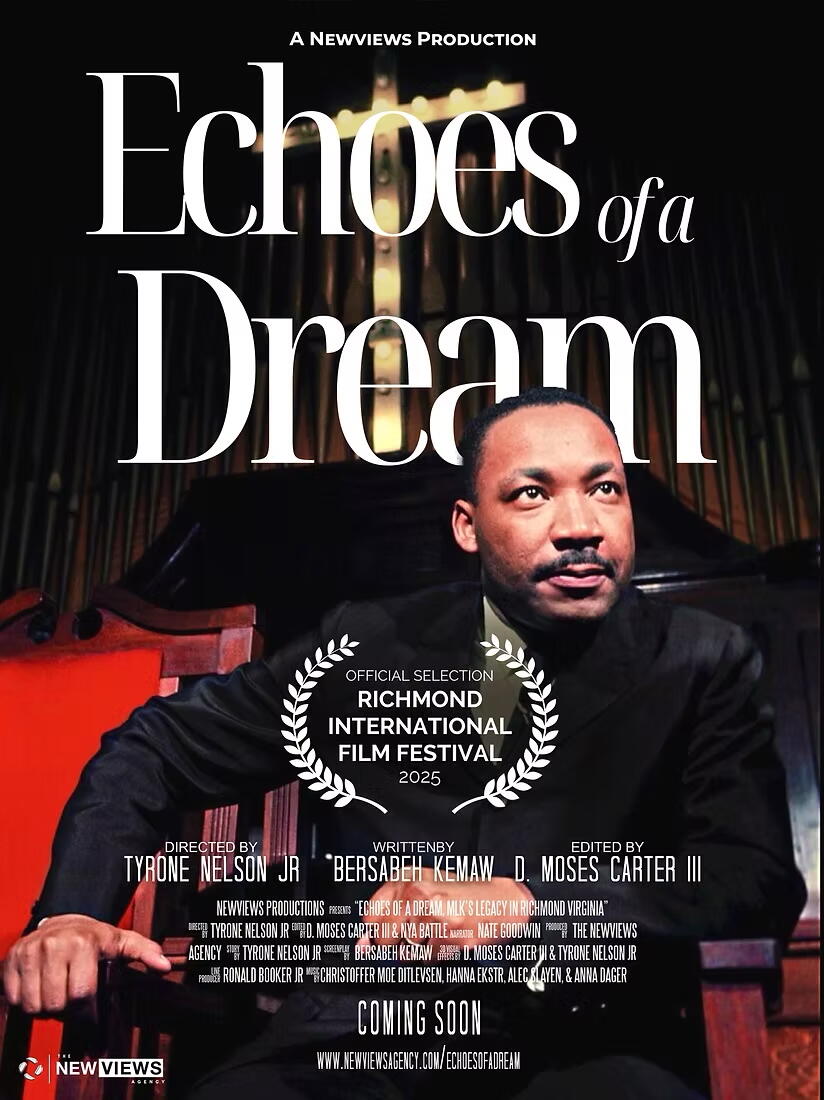
Nelson graduated from Virginia Commonwealth University with a bachelor’s degree in marketing with a concentration in marketing communication and analytics from the School of Business. He directed “Echoes of a Dream” and another VCU alum, Bersabeh Kemaw, a mass communications graduate from the Robertson School of Media and Culture, wrote the film.
The documentary debuted this fall and continues to be regularly screened, including several scheduled showings during Black History Month in February. It was produced by Newviews Productions, where Nelson is the CEO and founder.
The film is on a “community-first” rollout, meaning the filmmakers are prioritizing partner venues such as universities, museums, faith institutions and community organizations, places where the screening can be paired with a candid discussion.
VCU News caught up with Nelson to discuss the documentary, MLK’s Richmond ties and his hopes that his film will not just educate but “activate” viewers.
How did the project come to be?
Every year we aim to tell stories about Dr. Martin Luther King Jr., his legacy, and, in general, Black history. This past year was no different. We just took a different approach and wanted to do it in the film format. We sat down as a team and asked ourselves: How do we believe we could make the largest impact with this story? And decided that a film would be the way to go.
What was your inspiration for the documentary?
I didn't have direct film inspiration, honestly; it was just my lived experience. I spent my younger years attending Sixth Mount Zion Baptist Church in the historic Jackson Ward District, and during that time we always heard stories about how Dr. Martin Luther King, the day he was assassinated, was supposed to be in Richmond, Virginia leading a march at the church, but decided to extend his stay in Memphis. So my goal in the infancy of story development was to flip the pages back in history and see if we could map out King's footsteps in the commonwealth of Virginia. For visual style, we drew inspiration from the documentary “13th” by Ava DuVernay.
What are some things about Martin Luther King Jr. and his connections to Richmond that you think all Richmonders should know?
Most people know Dr. King as a national figure, but fewer realize how early and how deliberately Richmond shows up in the arc of his rise. His visits here weren’t random drop-ins. Richmond was a meeting ground for Black leadership, faith networks and organizing infrastructure that helped shape the ideas and relationships he would later scale nationally. If you live in Richmond, you’re not just living near Civil Rights history; you’re living inside an early chapter of it. The city helped sharpen the movement’s language, strategy and urgency.
How did Richmond’s history and social landscape influence the documentary?
Richmond forces honesty. It’s a city with beauty and deep culture, and it’s also a city built on contradictions: the legacy of the Confederacy, the economics of segregation, the geography of displacement, the church as both sanctuary and strategy room and a modern Richmond that still debates what justice looks like in policy, housing, education and opportunity. That tension shaped our approach. We didn’t want a film that treats Richmond as a backdrop. We treated Richmond as a living character and a place where the past is not past, and where Dr. King’s message still has something to confront and something to heal.
What surprised you about the research and the filming?
Two things surprised me. First, how many receipts exist if you go looking at newspaper records, church archives, university collections and local historians who’ve been carrying these stories for years. Second, how many Richmonders are still learning this for the first time. I thought the bigger surprise would be something we “found,” but the real surprise was the gap between what Richmond has lived through and what Richmond widely remembers. During filming, it also surprised me how emotional people became when talking about these moments not in a nostalgic way, but in a “we’re still in it” way.
What do you hope to accomplish with the documentary?
I hope it resets Richmond’s understanding of its own importance. This film is meant to educate, but it’s also meant to activate. I want Richmonders to walk away with pride and responsibility: pride that this city played a meaningful role in the early movement, and responsibility to keep doing the work that Dr. King’s presence demanded. I also want the film to be a bridge between generations, between communities, between scholarship and lived experience and to create space for conversations that aren’t performative, but practical.
Subscribe to VCU News
Subscribe to VCU News at newsletter.vcu.edu and receive a selection of stories, videos, photos, news clips and event listings in your inbox.