July 1, 2009
“Sweeping Changes” to News Media Only the Beginning, Professor says
Share this story
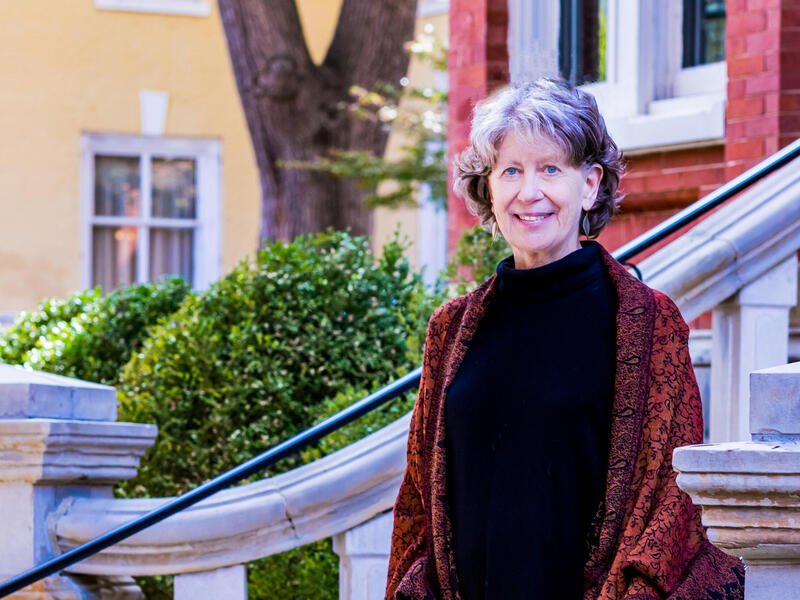
The traditional business models for the news industry are crumbling, and Jeff South, an associate professor in the School of Mass Communications at Virginia Commonwealth University, says that the future of news promises to encompass a variety of different financial strategies – many of which remain so far untested.
South says no one is sure what will work.
“I don’t think there’s a consensus except that the news 10 years from now, the news five years from now, will look very different from what we see now,” South says.
Some of the plans that might become widespread in the near future include having news produced by non-profit entities, along the lines of National Public Radio, or in association with universities; having news consumers pay for individual stories that interest them through online micro-payments; offering “Internet passports” that allow readers to visit a variety of sites for a fee; and requiring paid subscriptions to visit a news site.
But South cautions that any future that requires people to pay for news could be problematic, especially because consumers have become accustomed to unhindered online access to the bulk of news sites. It will be difficult for media organizations to change the public’s expectations, he says.
“Lots of people believe news should be free,” South says. “They would rather go on Googlethan spend 75 cents to buy the newspaper.”
South observes that traditional media organizations have been “a little late to the game” in both anticipating the sweeping changes brought on by the digital revolution and formulating their response.
But he says that once they do respond, they tend to produce an excellent product. South points out that newspaper Web sites have some of the heaviest traffic on the Internet, and their content has a high degree of credibility with the public.
Yet so far, the amount of advertising on most such sites does not produce the revenue necessary to sustain a news-gathering operation of high caliber.
Besides receiving their community news from professional journalists, more Americans are visiting Web sites created by citizen-journalists – individuals who may have no formal journalism training, but typically make up for it with high energy and a passion for the stories and opinion pieces they are writing, according to South.
He says that Richmond has the highest number of citizen-journalism Web sites in the country for a city its size, 15, according to a recent national survey conducted by the Knight Foundation.
South says the traditional newsgathering model might soon accommodate this trend. He says we may see the development of hybrid news organizations that employ both professional reporters and local citizen-journalists to gather news.
Despite the uncertainty facing traditional media with an increasing number of newspapers on life support and layoffs at local television stations, South says journalism students tend to be optimistic about the future.
“It’s an exciting time to be a journalist,” South says, because of all the different media platforms on which news can be delivered.
When journalism graduates enter the work world today, they have to possess all the old skills – writing for a newspaper, for example – with all the new skills demanded by the digital revolution, from being able to shoot video, to anchoring a newscast, to using GPS software to pinpoint the location of a news event.
At entry-level positions, journalism graduates are still finding jobs.
South said they are usually willing to work for low wages to get into the news business and hone their skills.
“People go into this profession because they like to tell stories, not because they’re trying to get rich,” he said.
About Jeff South
Jeff South worked for more than 20 years as a newspaper editor and reporter before joining the VCU faculty in 1997. South is an expert on computer-assisted reporting and online journalism and has led Web journalism training workshops for a number of media outlets. South received the prestigious Knight International Press Fellowship in 2007 and spent six months training journalists in the Ukraine about the concepts and practices of civic journalism, investigative reporting, computer-assisted research and media convergence. South has written articles on journalism issues for Quill, the American Journalism Review and the Online Journalism Review, among other publications.
Subscribe to VCU News
Subscribe to VCU News at newsletter.vcu.edu and receive a selection of stories, videos, photos, news clips and event listings in your inbox.