Feb. 19, 2008
Lower survival rate found for in-hospital cardiac arrests at night, on weekends
Share this story
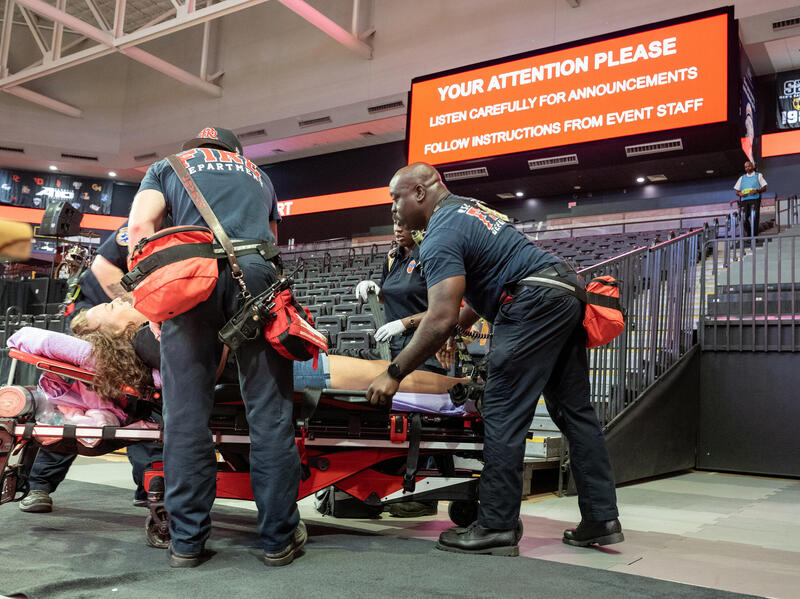
Patients who have an in-hospital cardiac arrest at night or on the weekend have a substantially lower rate of survival to discharge than hospitalized patients who experience a cardiac arrest during the day or on weekdays, according to a nationwide study of hospitals led by a Virginia Commonwealth University physician.
The study, published in the Feb. 20 issue of the Journal of the American Medical Association, was conducted among 86,000 cardiac arrest patients at more than 500 hospitals across the country that are part of the American Heart Association's National Registry of CardioPulmonary Resuscitation.
The study indicates that the detection and treatment of cardiac arrests may be less effective at night because of patient, hospital, staffing and response factors, according to lead author, Mary Ann Peberdy, M.D.
If in-hospital cardiac arrests are more common or survival is worse on nights and weekends, this information could have important implications for hospital staffing, training, care delivery processes and equipment decisions, according to the article.
Peberdy, associate professor in the cardiology division of the VCU School of Medicine's Department of Internal Medicine, and colleagues, evaluated survival rates for adults with in-hospital cardiac arrest by time of day and day of week.
The study included data on 86,748 adult, in-hospital cardiac arrest events occurring at 507 medical/surgical hospitals from January 2000 through February 2007. The researchers examined survival from cardiac arrest in hourly time segments, defining day/evening as 7 a.m. to 10:59 p.m., night as 11 p.m. to 6:59 a.m., and weekend as 11 p.m. on Friday to 6:59 a.m. on Monday.
"The principal finding of this study was that survival to discharge following in-hospital cardiac arrest was lower [when the arrest occurred] during nights and weekends compared with day/evening times on weekdays, even after accounting for many potentially confounding patient, arrest event, and hospital factors," the authors write.
For more
information on the study, or to view the complete release from JAMA, visit http://pubs.ama-assn.org/media/2008j/0212.dtl#1.
Subscribe to VCU News
Subscribe to VCU News at newsletter.vcu.edu and receive a selection of stories, videos, photos, news clips and event listings in your inbox.