Nov. 10, 2009
One year later: VCU-W&M collaboration helps veterans with legal and mental health issues
Share this story
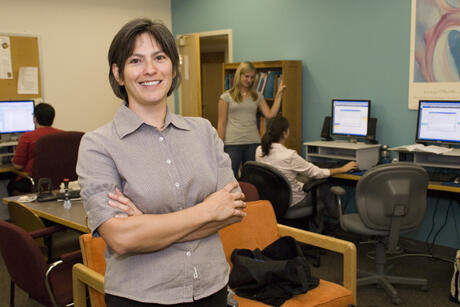
It was one year ago, on Veterans Day, when Virginia Commonwealth University’s Center for Psychological Services and Development and William & Mary’s Law School formed a partnership to respond to the legal and mental health needs of veterans. It didn’t take long for the first clients to come forward.
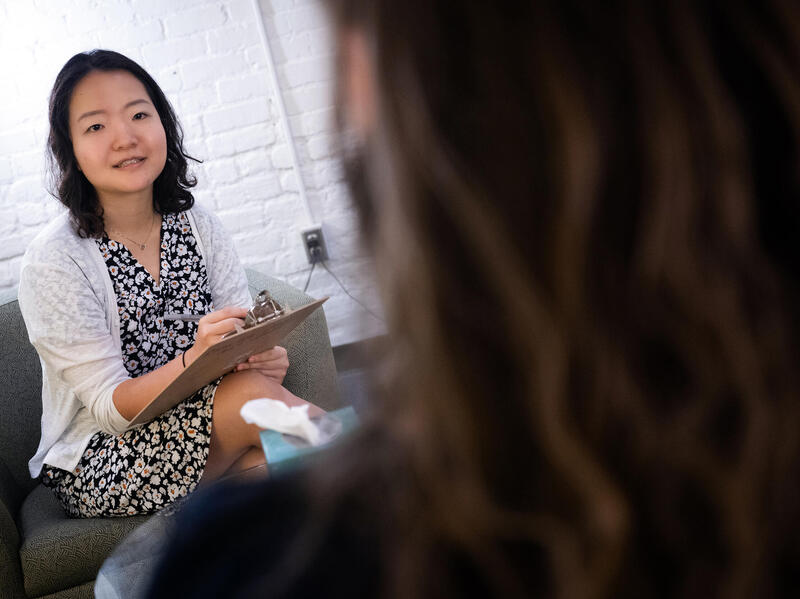
Through the collaboration, veterans who are getting legal help from William and Mary’s Law School on matters such as filing and appealing disability claims may be referred to the Center for Psychological Services and Development for assessments, counseling and referrals on mental health issues.
“What we’ve learned is that many of the issues that these veterans are appealing claims for are related to mental health issues,” said Leticia Flores, Ph.D., director, Center for Psychological Services and Development. “The clients we’ve seen show us there is a link between the reasons for their legal complaints and the psychological concerns.”
In the first year since the collaboration was announced, the William & Mary Law School has seen 15 veterans and five of their cases also have involved mental health services from the Center for Psychological Services and Development.
“Veterans usually don’t seek us out first because many don’t see that they’re having psychological issues or don’t trust mental health providers. There is a stigma about mental illness in the military,” Flores said. “But they will go the legal clinic for legal help, and while they won’t admit to or realize they have psychological issues upfront, they can admit to the anger, hopelessness or frustration they’re experiencing over a law issue. These very natural reactions are what may lead them to get referred here.”
The VCU Center for Psychological Services and Development has assisted law students in identifying issues and establishing a referral program and application process. Fees are charged on a sliding scale, based on the client’s ability to pay. For the first year, the CPSD provided pro bono assessments. The collaboration also allows psychology students with an interest in helping veterans gain practical experience.
“We play a critical role because we have faculty and students who get specialized training in anxiety disorders, including post traumatic stress disorders and can provide neuropsychological testing. That’s what we bring to the table,” Flores said.
In April, the partnership between the two universities was strengthened when the center received a $65,728 grant from the Virginia Department of Veterans Services “Wounded Warrior Program” to support a variety of programs that help veterans affected by stress-related injuries, ranging from case management and psychological services to day programs and employment services.
Long-range plans include coordinating services with other veterans agencies, getting more veterans involved in providing some of the services and helping student veterans to return to college.
“We are working to ultimately coordinate an interdisciplinary integrated care program for veterans,” Flores said. “We want to involve the School of Social Work and Rehab Counseling to help veterans who are coming back to school. We’ll know it’s a success when we have a systematic approach in place to guide student veterans into VCU and have a network of social support for them.”
For more information about the center’s programs for veterans or other services, call 804-828-8069 or visit http://www.has.vcu.edu/psy/cpsd/.
Subscribe to VCU News
Subscribe to VCU News at newsletter.vcu.edu and receive a selection of stories, videos, photos, news clips and event listings in your inbox.