Sept. 1, 2010
Researchers at VCU Seek to Answer Allergy Questions
Share this story
Working to unlock mysteries about allergies, researchers at the Virginia Commonwealth University School of Medicine have received a $7 million grant from the National Institutes of Health and will begin enrolling subjects in the clinical trial portion of this research.
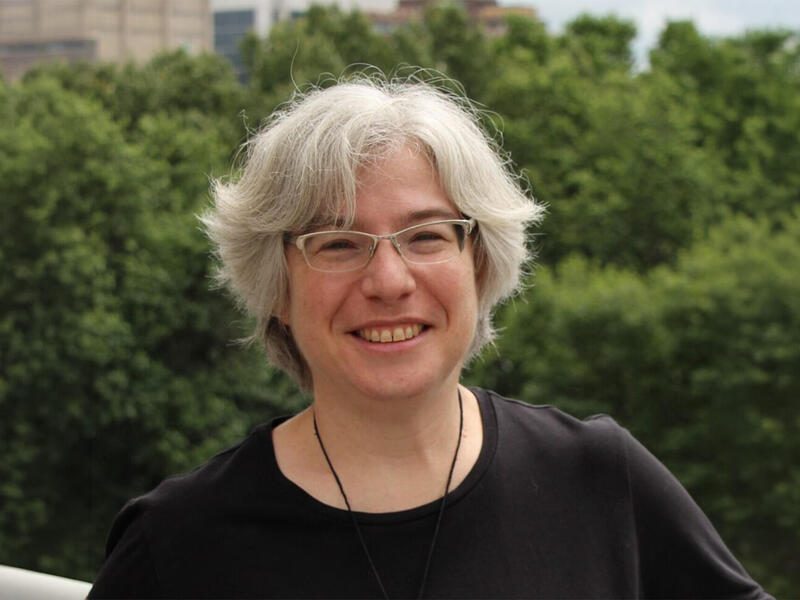
The program seeks to answer questions about how people can be desensitized to their allergy, specifically penicillin allergy. Leading the study is Lawrence B. Schwartz, M.D., Ph.D., professor of medicine in the VCU Division of Rheumatology, Allergy and Immunology.
“When allergists are faced with a patient requiring penicillin who has an allergy to that drug, they can desensitize the patient by giving a low dose of penicillin and then steadily increasing the dose,” Schwartz said. “We know this works clinically, but we don’t know why and how it works. This study looks to answer these questions.”
Individuals with allergies have a particular class of antibody, called IgE, which arms two different types of cells found in the body, mast cells and basophils, and also recognizes the allergens. Those who are allergic to penicillin have IgE antibodies on the surface of their mast cells and basophils that recognized penicillin. When exposed to penicillin, the drug binds to this IgE, which signals these cells to release chemicals, such as histamine, that cause the allergic reaction. Reactions can include hives, a drop in blood pressure, wheezing with shortness of breath, nausea, vomiting and diarrhea, and can be life-threatening.
To study the desensitization process, researchers are looking for healthy individuals, 18 to 45-years-old, who have a penicillin allergy to participate in this clinical trial. The clinical trial will involve desensitizing the individual to penicillin, drawing blood and applying allergy skin tests before desensitization, just after desensitization and during several follow-up visits.
“This clinical trial will allow us to better understand how desensitization works,” said Schwartz. “Knowing how this process works holds implications for expanding it to other allergies, for example, food allergies.”
For more information about the clinical trial, call Stephanie Burton, clinical research coordinator, at 804-828-3887.
Subscribe to VCU News
Subscribe to VCU News at newsletter.vcu.edu and receive a selection of stories, videos, photos, news clips and event listings in your inbox.