May 6, 2011
VCU, Community Partner Test Summer Camps for High-Risk Youth about to Enter Middle School
Share this story
A joint effort between VCU’s School of Social Work and Psychology Department and Richmond’s “Communities in Schools” program is looking to boost the chances for success for high-risk youth about to enter middle school.
Participants created and field-tested weekend retreats for groups of Richmond public school sixth graders and their families, with a goal of increasing family functioning and support.
The project is called “Multiple Family Group Intervention for Middle School Transition” and it was supported by an $11,000 community engagement grant awarded in May 2010.
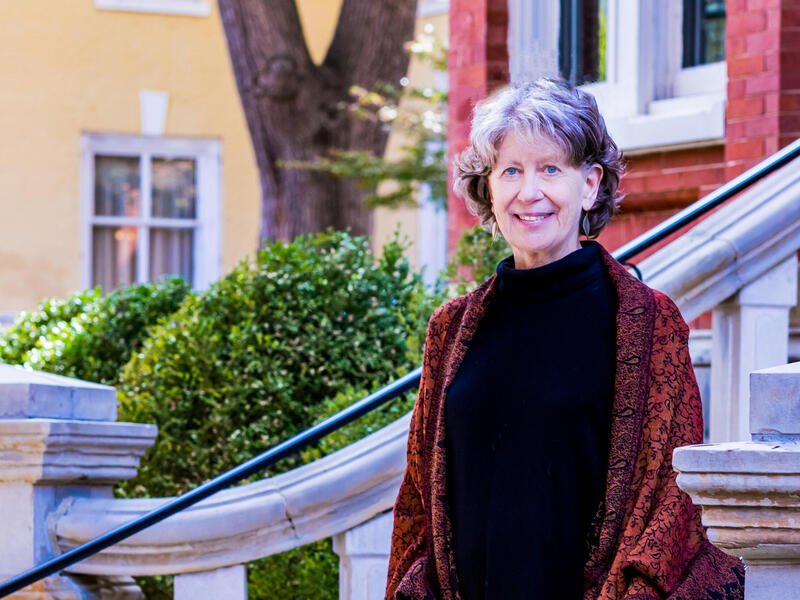
"We wanted to help Communities in Schools strengthen their middle school transition program by creating, implementing and evaluating a project that would be culturally competent for families in transition,” said Robert Broce, a May 2011 candidate for the Doctor of Philosophy in Social Work degree and a non-teaching adjunct in the Department of Psychology. “If students aren’t successful in middle school, they are prone to drop out of school later.”
In 2009, 35,000 students didn’t graduate from Virginia high schools and Broce found dropout rates in the United States are 10 times greater for low-income families and even higher for black and Hispanic families.
And while organizers were fairly certain the camping experience would be worthwhile, they weren’t sure it could be done in a way that was cost-effective.
“The real purpose of this project was feasibility. Can the camps be put on with a limited budget and still offer a meaningful experience for families?” Broce said.
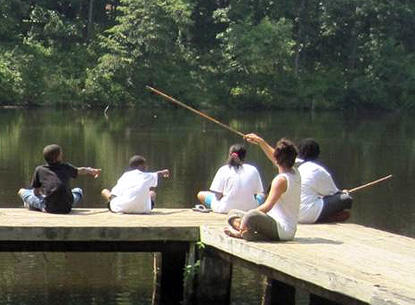
Organizers recruited families last May and June from 14 elementary schools in similar neighborhoods, nine of them from Richmond’s south side. The retreats were held on three consecutive weekends at the YMCA of Greater Richmond’s Camp Thunderbird Outdoor Center in Chesterfield County. School of Social Work student interns staffed the camp.
“We really emphasized communication, problem solving, setting flexible rules and regulations and, of course, family fun,” Broce said. “The experience was incredible because the children were spending time with their families and the adults were networking with other adults.”
Participants agreed, noting in written evaluations that the camp “was relaxing and gave time for our family to bond” and “I had fun learning about other families and how they deal with situations.”
Organizers hope to build on the success of last summer’s experience by developing a process to review the students’ grades over time and to measure the ability of participating families to function successfully.
“In the long term, we want to look at what happens to the kids. And we want use what we learn to make the program sustainable,” Broce said.
Subscribe to VCU News
Subscribe to VCU News at newsletter.vcu.edu and receive a selection of stories, videos, photos, news clips and event listings in your inbox.