May 11, 2004
VCU Medical Center seeks to lead locall research of national study of a blood substitute for use in trauma cases
Share this story
RICHMOND, Va. – Virginia Commonwealth University Medical Center researchers have set up a series of public meetings to discuss PolyHeme, an experimental blood substitute that will be given to critically injured and bleeding victims before they arrive at the hospital, if a planned study is approved.
Having already announced its interest in participating in the first national clinical research project to evaluate the usefulness of PolyHeme, VCU Medical Center is one of 20 Level-1 trauma centers in the country that may study the oxygen-carrying blood substitute and its ability to increase survival in critically injured and bleeding patients. The study will compare the survival rate of patients receiving PolyHeme to that of patients who receive the current standard of care, which is saline solution.
The researchers have scheduled a series of public meetings to gauge the interest in the community's participation in the study. Pending the outcome of these meetings and final research review board approval, VCU hopes to start the study in mid-July. Reservations are not required and any area residents may attend the meetings and speak with investigators. Bracelets, which indicate that the wearer does not want to receive PolyHeme, will be available at the meetings. To have a bracelet mailed to you or to schedule a speaker for your community meeting or civic league contact Judy Katzen at (804) 827-0283.
Community meetings
are:
* Monday, May 17, 4:30-5:15 p.m.
Medical Sciences Building, VCU Medical Center
1217 E. Marshall St., Richmond
* Wednesday, May
19, 6:30 p.m.
Armstrong High School Library
1611 North 31st St., Richmond
* Thursday, May
20, 6:30 p.m.
George Wythe High School Library
4314 Crutchfield St., Richmond
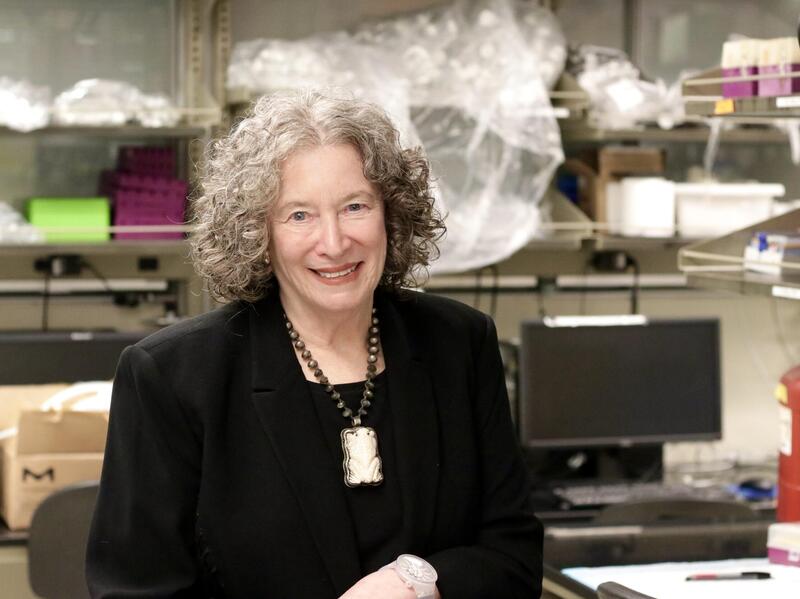
"Trauma related injuries are a leading cause of death among Americans under 45 years old," said Therese M. Duane, M.D., assistant professor of surgery, Division of Trauma Surgery and Critical Care and lead investigator of the VCU study. "If we can begin to treat these patients very early with an oxygen carrying solution and keep their hemoglobin levels up, we may see more survivors."
Study participants will be enrolled without directly giving their permission. The trial will be conducted under federal regulations that allow clinical research in emergency settings using an exception from the requirement for informed consent. Patients may withdraw from the study at any time, by notifying the investigator. Bracelets will be made available to individuals who do not wish to participate in the yearlong study. The VCU study will enroll 40 patients; 20 will receive PolyHeme, 20 will not. The national study seeks to enroll 720 patients to evaluate the usefulness of PolyHeme.
Under the study protocol, treatment would begin before arrival at the hospital, either at the scene of the injury or in the ambulance, and continue during a 12-hour post-injury period in the hospital. Since blood is not presently carried in ambulances, the use of PolyHeme in these situations has the potential to address a critical unmet medical need for an oxygen-carrying solution where blood is not available.
PolyHeme is a universally compatible oxygen-carrying fluid composed of chemically modified hemoglobin derived from human blood. Hemoglobin is the oxygen-carrying component of the human red blood cell. PolyHeme is designed to treat hemorrhagic shock where blood transfusion is required but blood is not available.
Previous research established that PolyHeme is universally compatible and accordingly does not require blood typing prior to infusion. Clinical studies to-date indicate that PolyHeme carries as much oxygen, and loads and unloads oxygen, in the same manner as transfused blood. One unit of PolyHeme contains 50 grams of modified hemoglobin, approximately the same amount of hemoglobin delivered by one unit of transfused blood.
According to the manufacturer, Northfield Laboratories Inc., PolyHeme is designed to eliminate the risk of transmission of diseases such as AIDS or hepatitis. For more information visit www.northfieldlabs.com.
Subscribe to VCU News
Subscribe to VCU News at newsletter.vcu.edu and receive a selection of stories, videos, photos, news clips and event listings in your inbox.