April 5, 2005
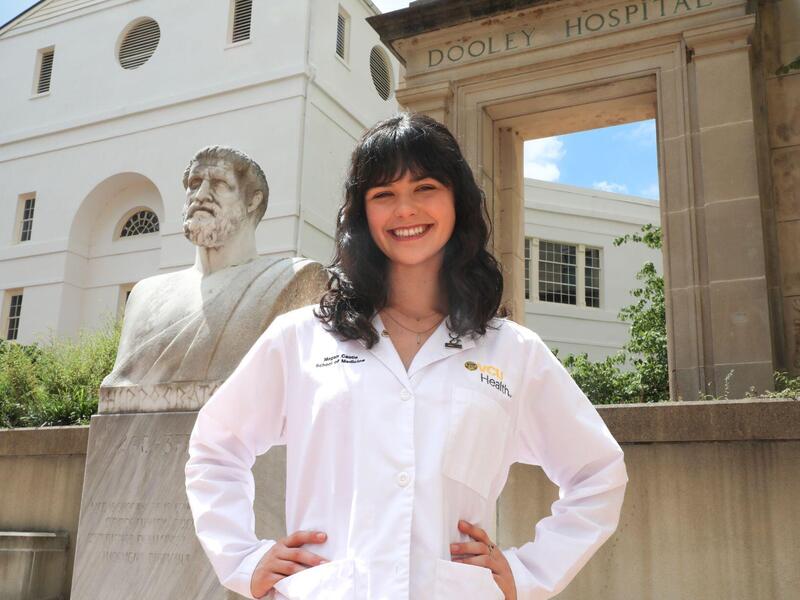
VCU medical students learned their fates on National Match Day
Share this story
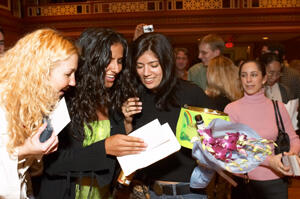
In a room filled with excitement and anxiety, students at the Virginia Commonwealth University School of Medicine learned their fate for the next several years on National Match Day, an annual event in which thousands of medical students learn which residency program they will attend.
The process begins in December and January when medical students interview with hospitals all over the country for residency program positions. By the end of February, the students and the interviewing hospitals have ranked their top three choices.
The choices for both the students and hospitals are matched by a computer in Washington, D.C., and the results of the matches are sent to each medical school. On National Match Day, March 17, each student receives an envelope and finds out the institution where they will carry out their residency.

Among those in attendance for this year’s Match Day were a set of twins and 13 other babies born to 13 fourth-year students. The parents, babies and two expecting students gathered for a group photo.
Seven students attending the event had already learned their fate. They previously were matched to the Armed Forces for their residency. Eleven other students were matched to programs like neurosurgery, neurology, urology, ophthalmology and otolaryngology through Early Match programs.
Match Day brought smiles to the faces of many of VCU’s graduating class. Ninety-six percent of the 152 participating students gained positions — more than the national average. More than 10 of the matched students gained positions in specialty fields.
The National Resident Matching Program was established in 1952.
Subscribe to VCU News
Subscribe to VCU News at newsletter.vcu.edu and receive a selection of stories, videos, photos, news clips and event listings in your inbox.