May 2, 2003
VCU testing shows safety of mega doses of blood-clotting "Wonder Drug"
Share this story
RICHMOND, Va. – Researchers at the Virginia Commonwealth University Medical Center have determined that a single dose of the blood-clotting drug, NovoSeven, at a concentration nearly four times that recommended by the manufacturer, appears to a very effective way to stop severe bleeding quickly without increasing a patient’s risk of life-threatening thrombosis.
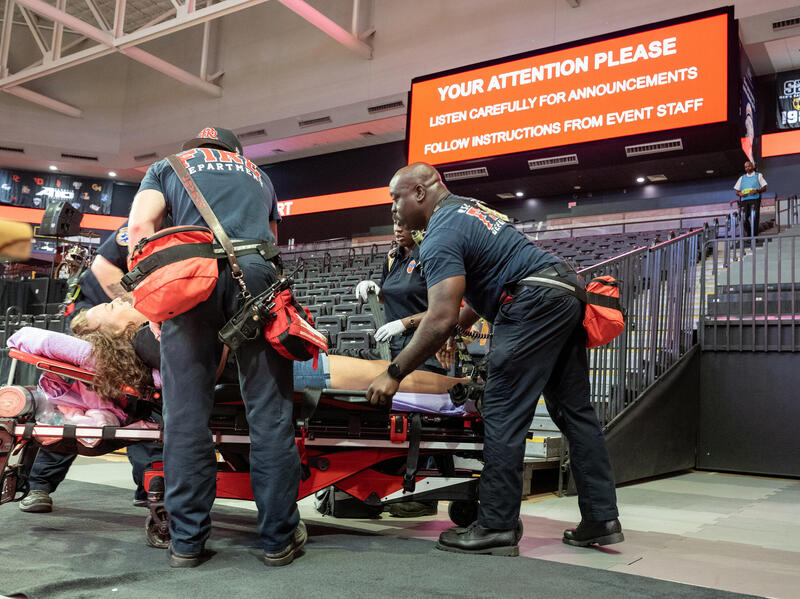
The finding, reported in the May 2 issue of the journal Thrombosis and Haemostasis, offers surgeons and other clinicians new guidance on using the correct dosage of NovoSeven, a genetically engineered and extremely high-priced drug that increasingly is being used in trauma and other life-saving surgeries to stop severe bleeding, even though it is approved for use in the United States only for certain hemophilia treatment.
“NovoSeven is a very promising agent that could have implications in all areas of bleeding, not just for hemophilia,” says VCU blood-clotting expert Marcus E. Carr Jr., M.D., Ph.D., professor of internal medicine and pathology and lead author of the article. “Once surgeons get their hands on it, they want to use it -- particularly when they’re trying to save a seriously injured accident victim and can’t stop the bleeding. Unfortunately, the correct dose is not well defined.
“There’s no way to tell if it’s working, except to keep giving the drug until the bleeding stops or the patient gets better. That’s not a very comforting way of giving a drug that costs $6,000 per vial.”
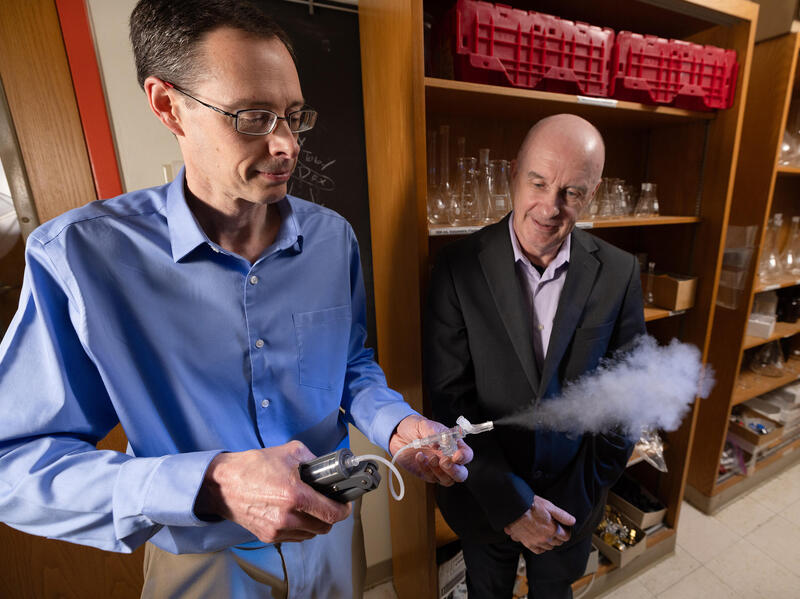
Using blood analysis technology that Carr developed at the VCU Medical Center, Carr and his research team measured the clotting effects of different concentrations of NovoSeven on samples of normal blood and on blood taken from patients with different forms of hemophilia, an inherited bleeding disorder that affects 30-40 million people worldwide and causes prolonged bleeding. Those who have hemophilia, mostly men, are missing certain blood proteins, called clotting factors.
The VCU tests revealed that a single dose of NovoSeven at the highest concentration tested – 342 micrograms per kilogram of body weight – had no adverse effect on the samples of normal blood and did not appear to cause higher-than-normal levels of clotting that might increase the risk for thrombosis. That high dosage also was the most effective at causing the blood to start clotting normally in the shortest amount of time (about five minutes) in samples taken from patients suffering from hemophilia.
NovoSeven, which is the trade name for the drug recombinant Factor VII accelerated, is part of a new class of drugs that have been created artificially by combining DNA from two or more sources into a single recombinant molecule that is used to produce unlimited supplies of human proteins in the laboratory. In the case of NovoSeven, the Danish company combined genes from a human liver and a hamster kidney to produce the recombinant Factor VIIa that can be used to stop bleeding in patients missing key blood clotting proteins.
Novo Nordisk markets NovoSeven as an alternative to whole blood or plasma injections to treat bleeding episodes in hemophilia A or B patients with inhibitors, or resistance to other blood-clotting drugs. It is approved by the Food and Drug Administration for use in the United States for that purpose. Novo Nordisk, recommends a dose of 90 micrograms per kilogram of body weight, given intravenously to bleeding hemophilia patients every two hours during a bleeding episode, until bleeding stops. For severe bleeds, the company suggests that follow-up doses be given at three- and six-hour intervals after the bleeding stops.
Published reports, however, indicate that doses given in clinical settings can range from 35 micrograms per kilogram of body weight to 125 micrograms per kilogram. Some researchers have recommended higher initial doses, up to 300 micrograms per kilogram of body weight, to generate a clotting “burst” and accelerate the clotting process.
As Carr also points out, usage of NovoSeven is expanding beyond treatment of hemophilia, increasing the need for better data on appropriate dosages to avoid giving patients either too little and prolonging the bleeding or too much and increasing the chance of dangerous clotting.
Choosing the most-effective dosage is particularly important for a drug as costly as NovoSeven, Carr says. At 81 cents per microgram per kilogram of weight, the cost of six treatments for one average bleeding episode for a hemophiliac patient weighing about 150 pounds would be about $25,000. Someone with severe hemophilia can bleed spontaneously once or twice per week. One dose at a concentration of 342 micrograms per kilogram of weight would cost about $19,000 for a 150-pound patient.
“With NovoSeven, you have a very expensive agent that potentially is very useful,” says Carr. “If you’re using it for treatment other than hemophilia – such as trauma surgery – you need to know the drug is working. Our research says the single dose works at getting the bleeding to stop.”
Carr’s blood analysis technology measures the contribution of platelets – which are cells involved in inflammation and wound repair that stick to the surface of injured blood vessels – to clot formation. VCU has licensed the technology to Richmond-based Hemodyne, Inc., which is beginning to market the system in Europe as a way to test blood disorders related to cardiovascular diseases and blood disorders.
Subscribe to VCU News
Subscribe to VCU News at newsletter.vcu.edu and receive a selection of stories, videos, photos, news clips and event listings in your inbox.