Oct. 8, 2001
VCURES developing high-tech bandage for U.S. Army
Share this story
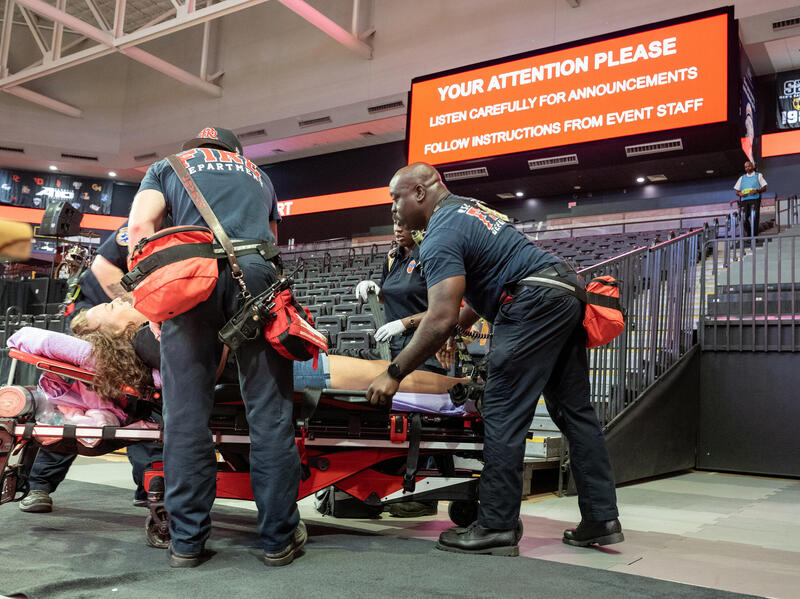
Richmond, Va. – As America delivers its military response to the Sept. 11 terrorist attacks, scientists at VCU are developing a device to treat high-pressure bleeding that could save wounded troops and reduce limb amputations.
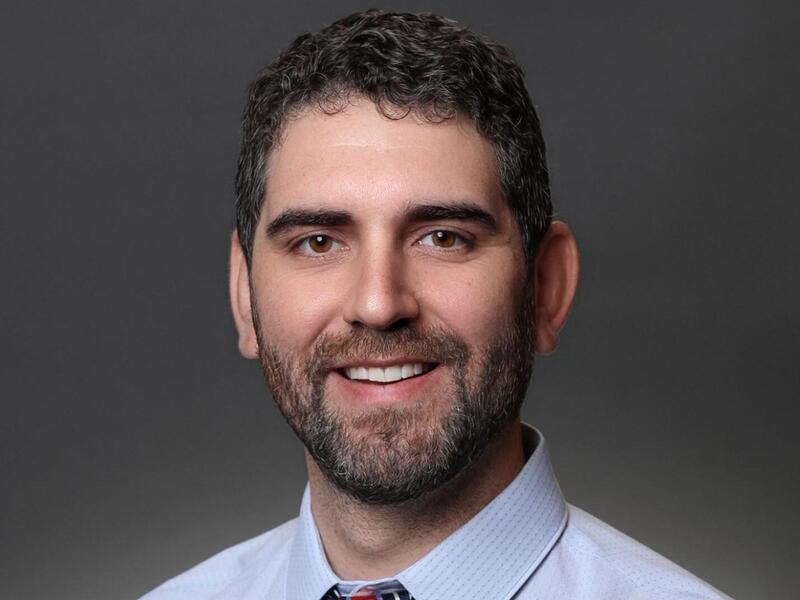
The BioHemostat was invented by a team lead by Marcus E. Carr, M.D., Ph.D., a professor in VCU’s departments of internal medicine, pathology and biomedical engineering. The device is designed to replace the ages-old battlefield tourniquet – a crude but effective emergency medical device used to restrict blood flow to injured limbs.
"The good thing about a tourniquet is it stops all blood flow," said Carr, who also is president of Hemodyne Inc., a tenant in the Virginia Biotechnology Research Park. "But the bad thing is it can cause complications, such as nerve damage and blood stoppage, that increase the risk of amputation."
Made of fibrous material that can absorb about 1,400 times its weight, the BioHemostat expands when wet to fill a wound and stop arterial bleeding. This allows blood to continue flowing to other parts of the limb and reduces amputation risks. The device, which comes in different shapes and sizes, can be inserted into a wound by a medic or another soldier and left in until removed by a surgeon.
"Think of Pampers diapers and how they expand when wet," Carr said.
Carr envisions the device being issued to all infantrymen to apply to wounded comrades when a medic is not available.
Military statistics show two-thirds of all combat-related deaths are due to bleeding; 80% of those deaths occur within 15 minutes of injury. The statistics also show the rate of limb amputation due to battlefield arterial wounds has not improved since World War II, despite aggressive advances in surgical treatment.
Carr also said the BioHemostat has consumer uses: 50% of all civilian trauma deaths are from bleeding.
Carr presented his preliminary work on the life-saving device to a U.S. Department of Defense conference in Florida on Sept. 11, the day of the terrorist attacks in New York City and at the Pentagon.
Carr’s Hemodyne is developing the BioHemostat using high-tech equipment at VCU’s School of Engineering and a $300,000 grant from the Department of Defense obtained through the Virginia Commonwealth University Reanimation Engineering Shock Center (VCURES), a coalition of clinicians and basic scientists from both the medical and academic campus locations of VCU.
"It’s been exciting, and I think it will be one example of many collaborations between medicine and engineering at VCU," said Gary E. Wnek, Ph.D., chair of chemical engineering.
Subscribe to VCU News
Subscribe to VCU News at newsletter.vcu.edu and receive a selection of stories, videos, photos, news clips and event listings in your inbox.