Aug. 19, 2026
Ultrasounds, glowing molecules and the brain: A summer in VCU's research labs
Share this story
Madison Bivins didn't expect to spend her summer studying ultrasound images of hip muscles. A rising sophomore at Old Dominion University majoring in biomedical sciences, she arrived at Virginia Commonwealth University in May with a broad interest in medicine. She left with a specific finding — and a much clearer sense of where her career is headed.
"I had no idea that ultrasounds could be used to look at muscles," Bivins said. "So that was really interesting."
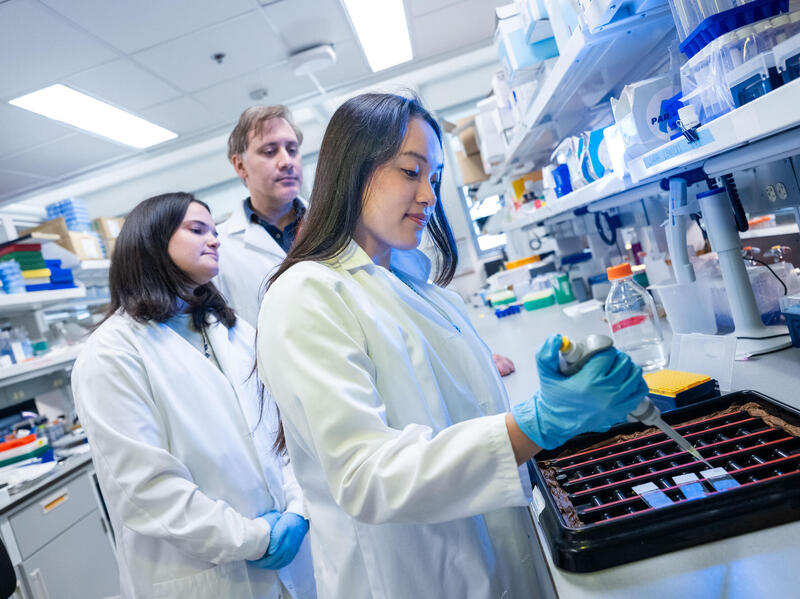
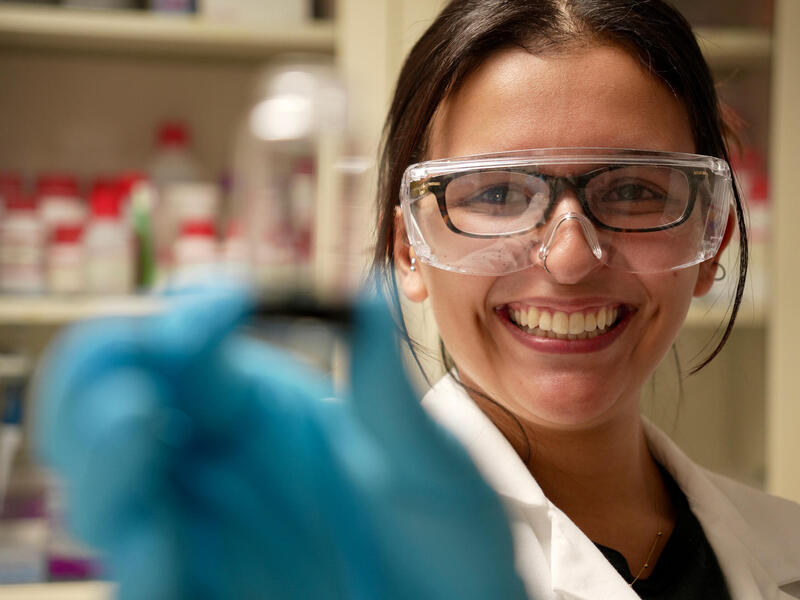
Bivins was one of 16 students accepted into this year's Honors Summer Undergraduate Research Program. The intensive nine-week initiative is co-hosted by the Wright Regional Center for Clinical and Translational Science and the VCU Honors College — which has successfully run the summer research program for several decades. High-achieving students from VCU, Old Dominion University and Virginia State University are paired with faculty mentors and embedded in active, state-of-the-art research labs, where they design, execute and prepare to present independent research projects.
Beyond being a summer enrichment opportunity for the students, the program is also a direct expression of the workforce development mission at the heart of the Wright Regional Center's federal funding. The Wright Regional Center holds a $27.5 million Clinical and Translational Science Award from the National Institutes of Health’s National Center for Advancing Translational Sciences (NCATS), the largest NIH grant in VCU’s history.
One of the key aims of the grant is to help train the next generation of highly skilled clinical and translational scientists who can accelerate the journey of medical discoveries from the laboratory bench to the patient’s bedside. Because the regional center is built on a collaborative partnership among VCU, ODU and VSU, the summer cohort intentionally draws from campuses across the commonwealth to build a statewide research pipeline for Virginia.
For the young researchers, this mission came alive daily in VCU's top laboratories and clinics.
Reading muscles with sound waves
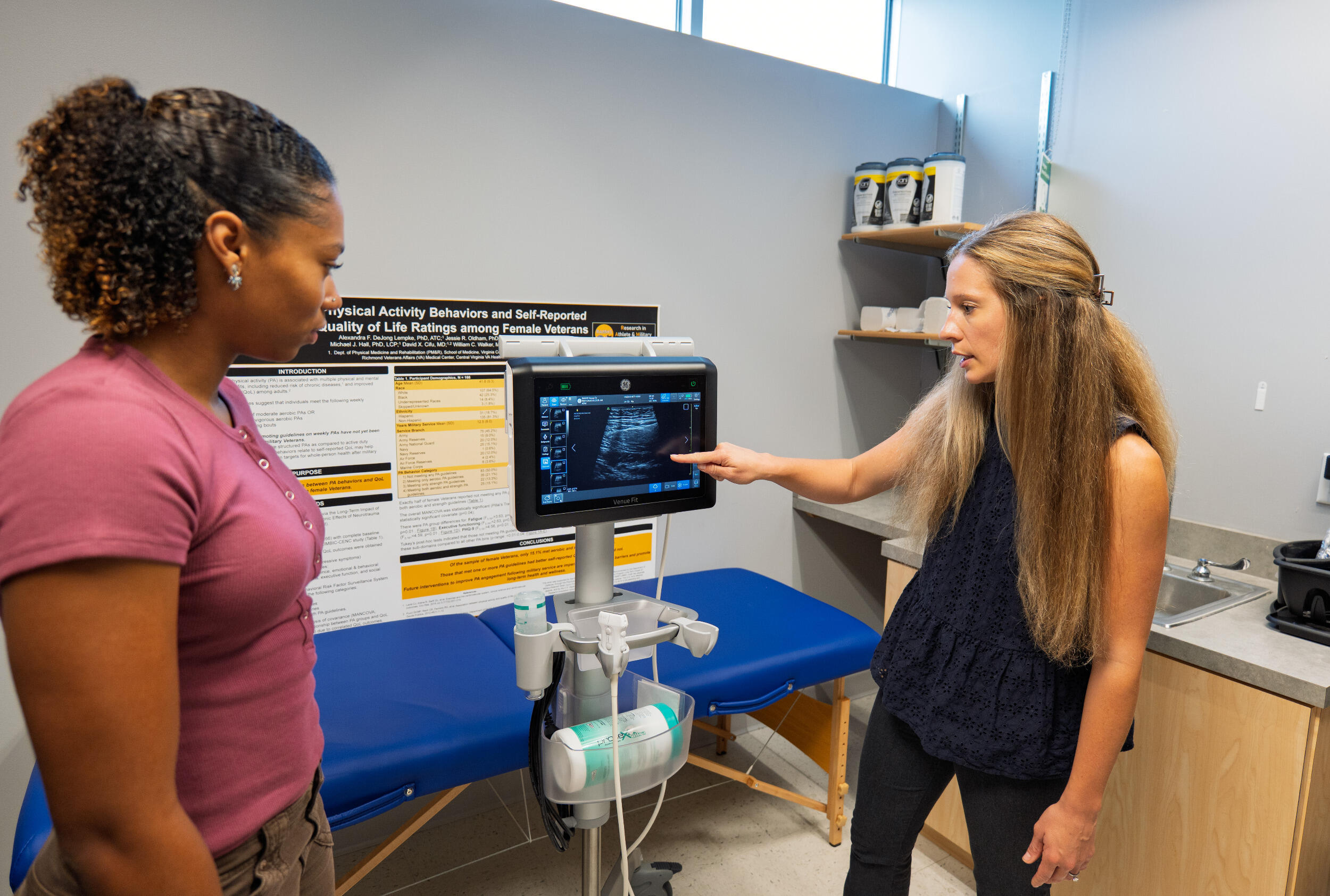
At the intersection of rehabilitation and biotechnology, Bivins spent her summer investigating the biomechanics of athletic injuries alongside Alexandra DeJong Lempke, Ph.D., an assistant professor in the Department of Physical Medicine and Rehabilitation within the VCU School of Medicine.
Conducting her research in the Performance Evaluation and Research in Function, Optimization, Rehabilitation, and Mobility group within the Research in Athlete and Military Health Sciences lab — which is co-led by Jessie Oldham, Ph.D. — Bivins explored the structural causes of chronic ankle instability, a debilitating condition that plagues many athletes after suffering joint sprains.
Using musculoskeletal ultrasound imaging, Bivins analyzed muscle thickness as a stand-in for muscle activity.
"Healthy controls typically have thicker muscles, which indicates increased activity, while chronic ankle sprain participants have thinner muscles," Bivins said. "Therefore, they have decreased muscle activity as a result, which can lead to more sprains and more frequent ankle injury."
For Bivins, who is considering a path toward a Pharm.D. and future research in pharmacology and toxicology, the takeaways extended far beyond the data. Navigating VCU's urban campus and living on her own in Richmond was an empowering experience in independence.
With her eyes on the future, Bivins has already submitted an abstract to present her summer findings at a scientific conference this October and plans to continue collaborating with Lempke.
"Definitely keep in touch with your mentors after the program ends," Bivens advised. "You can take the research you do here very, very far."
Making molecules easier to see
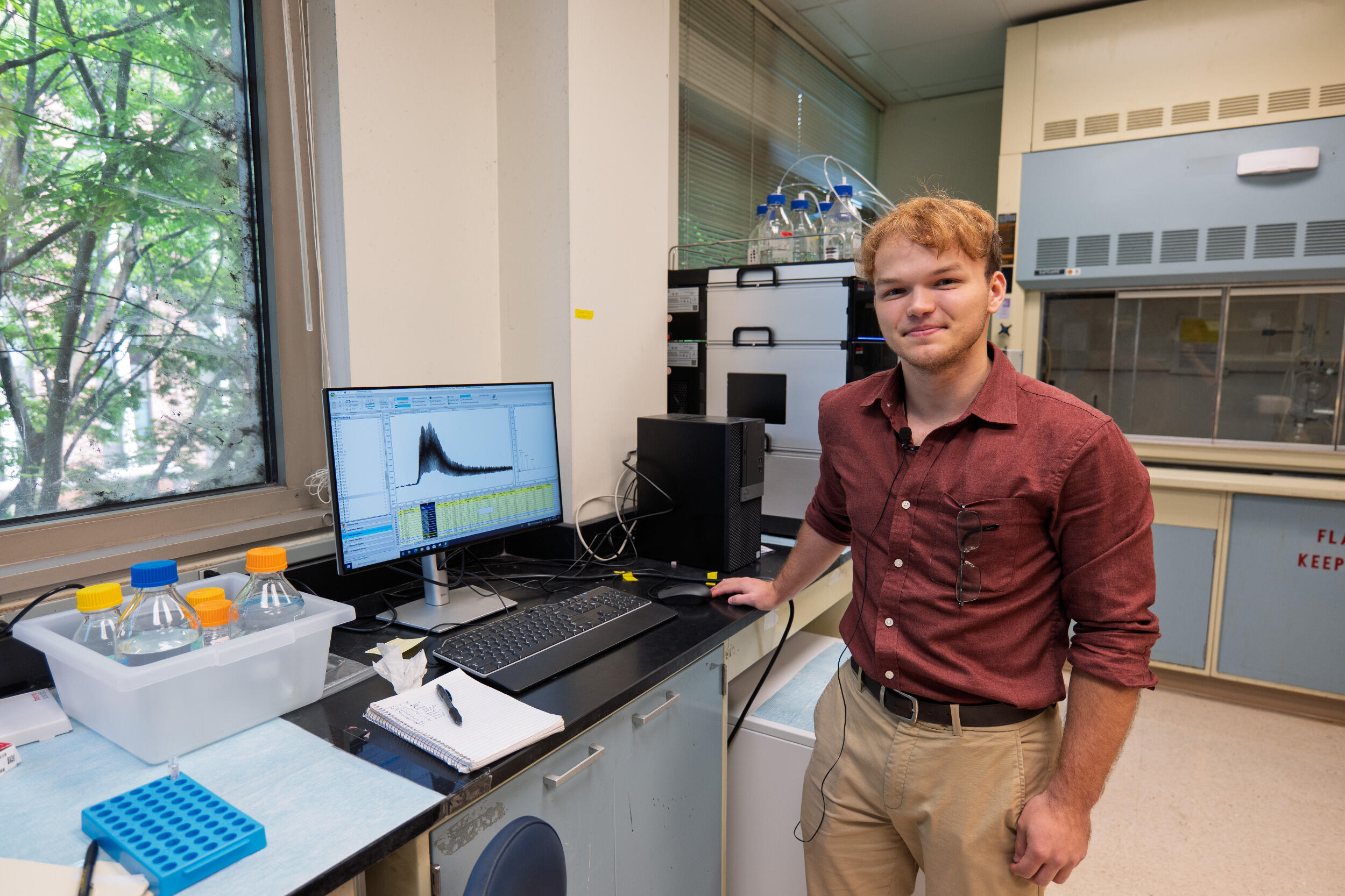
A couple of blocks away, Kyle Rafferty, a junior chemistry major at Old Dominion University who is weighing graduate school, immersed himself in the meticulous world of organic chemical synthesis.
Placed in VCU's Center for Drug Discovery, Rafferty worked under the mentorship of Yana Cen, Ph.D., an associate professor in the Department of Medicinal Chemistry within the VCU School of Pharmacy, and her doctoral student, Rasajna Madhusudhana. Rafferty took on a project with a deceptively technical title: the synthesis of fluorescent adenosine monophosphate (also known as AMP) analogs for assay development.
The idea is more approachable than it sounds. AMP is a small molecule that cells use as a building block for adenosine triphosphate (or ATP) — the compound that powers most of what living cells do. Rafferty's task was to build look-alike versions of AMP that behave much like the real thing, "but have characteristics that make them easier to see when you shine a light on them," he said.
The glow is the point: it lets researchers spot and measure the molecules in a sample, a way to track how much chemical activity is taking place. The challenge was striking a balance, Rafferty said — each look-alike had to shine brightly enough to follow while still slotting "lock and key" into the enzyme it's designed to work with. Building the molecules was "fairly easy," he said; purifying them was "quite difficult," and became the summer's central hurdle.
In overcoming this challenge, Rafferty spent his weeks mastering high-level laboratory instrumentation, including liquid chromatography-mass spectrometry and high-performance liquid chromatography systems.
"I’ve become proficient enough to use them comfortably on my own, which is a huge win going forward," Rafferty said.
At ODU, Rafferty’s home mentor, Alvin Holder, Ph.D., is himself an investigator within the Wright Regional Center's extensive research network, illustrating how regional collaboration feeds the clinical pipeline. The full-time summer environment gave Rafferty a taste of true independence.
"Here, I’ve had a real opportunity to apply critical thinking to problems while still having the safety net of people who actually know what they're doing. It’s a true workplace environment."
The weight of the research also prompted profound reflections on the pace of scientific discovery.
"It almost feels like we are not going fast enough in terms of medical research," Rafferty said. "People die every day from diseases for which treatments might be invented the next day. It makes you realize the weight of the work. It almost feels like it's immoral to not be trying your absolute best every single day."
Measuring the price of a craving
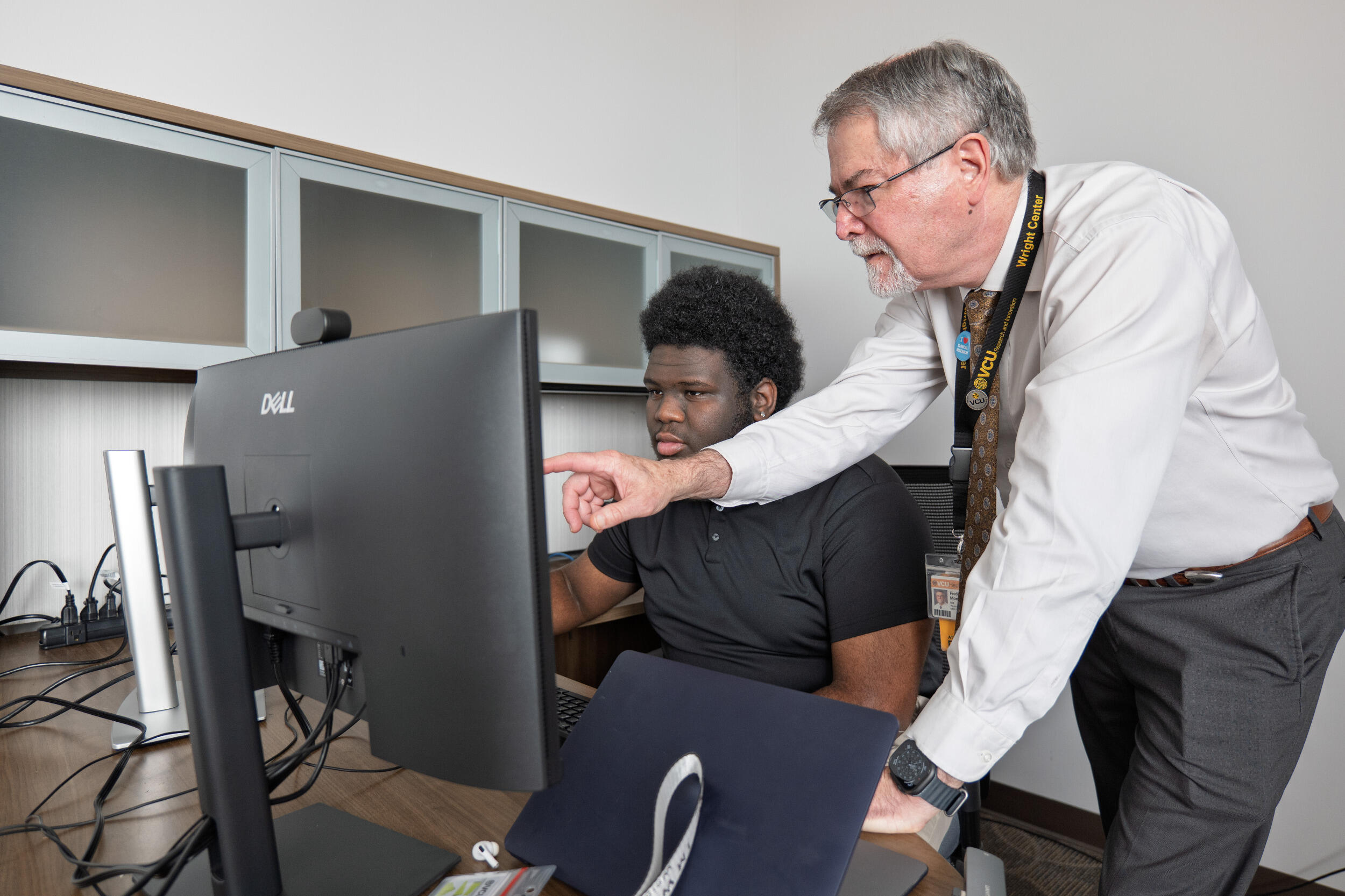
For Cordal Ramsey Jr., a junior biology major on the pre-med track at Virginia State University, the passion for medicine is deeply personal. Born and raised on the island of Grand Bahama, Ramsey witnessed firsthand how geographic and financial factors restricted access to specialized healthcare.
"It was kind of sad to see individuals go through traumatic healthcare issues and have to be flown out because they couldn't be provided adequate medical care at home," Ramsey said. "I’ve always been in love with science — sometimes I think I was born with a stethoscope in my hand. Seeing how healthcare affected people back home made me want to become a physician, open my own practice and provide medical care where it is needed most."
This summer, Ramsey took a major step in exploring the world of physician-scientists, working in the lab of F. Gerard Moeller, M.D., director of the Wright Regional Center and chief of the addictions division within the VCU School of Medicine's Department of Psychiatry.
Under Moeller's guidance, Ramsey investigated the intersection of neuroscience and substance use disorders, analyzing data from patients seeking treatment for cocaine, opioid and cannabis use. Specifically, Ramsey examined heart rate variability data alongside the Multidimensional Assessment of Interoceptive Awareness scale — a tool used to measure how well individuals perceive and interpret internal bodily sensations, like a racing heart or muscle tension.
"Most people don't listen to their bodies," Ramsey said. "If you feel a sensation or feel uncomfortable, most people ignore it. We wanted to see how a person's interoceptive awareness correlates with their physiology."
Part of Ramsey’s research utilized a "hypothetical purchase task" to measure drug demand. According to the data, drug-seeking behavior varied widely by substance. Cocaine users showed the highest demand, remaining willing to pay $128 or more regardless of cost. Opioid users showed moderate flexibility, while cannabis users rapidly declined interest once hypothetical prices exceeded three or four dollars.
To prepare for the project, Ramsey spent the night before his first meeting memorizing scientific articles, incredibly nervous to meet a nationally renowned scientist. Instead, he found a supportive partner.
"He was very chill, very calm and met me where I was at," Ramsey said of Moeller. "He gave me the liberty to look at the data and figure things out on my own, while checking in to keep me on track. He was also incredibly supportive of my career goals outside of this program. He is an amazing mentor."
Ramsey's path to the lab was championed by Brittany Powell, the Wright Regional Center's liaison at VSU, and Pamela Dillon, Pharm.D., associate professor and research liaison at the Wright Center, who presented the opportunity to the VSU Honors College. "Those two ladies really made this program something that I was excited for and memorable," Ramsey said.
The culmination of weeks of research
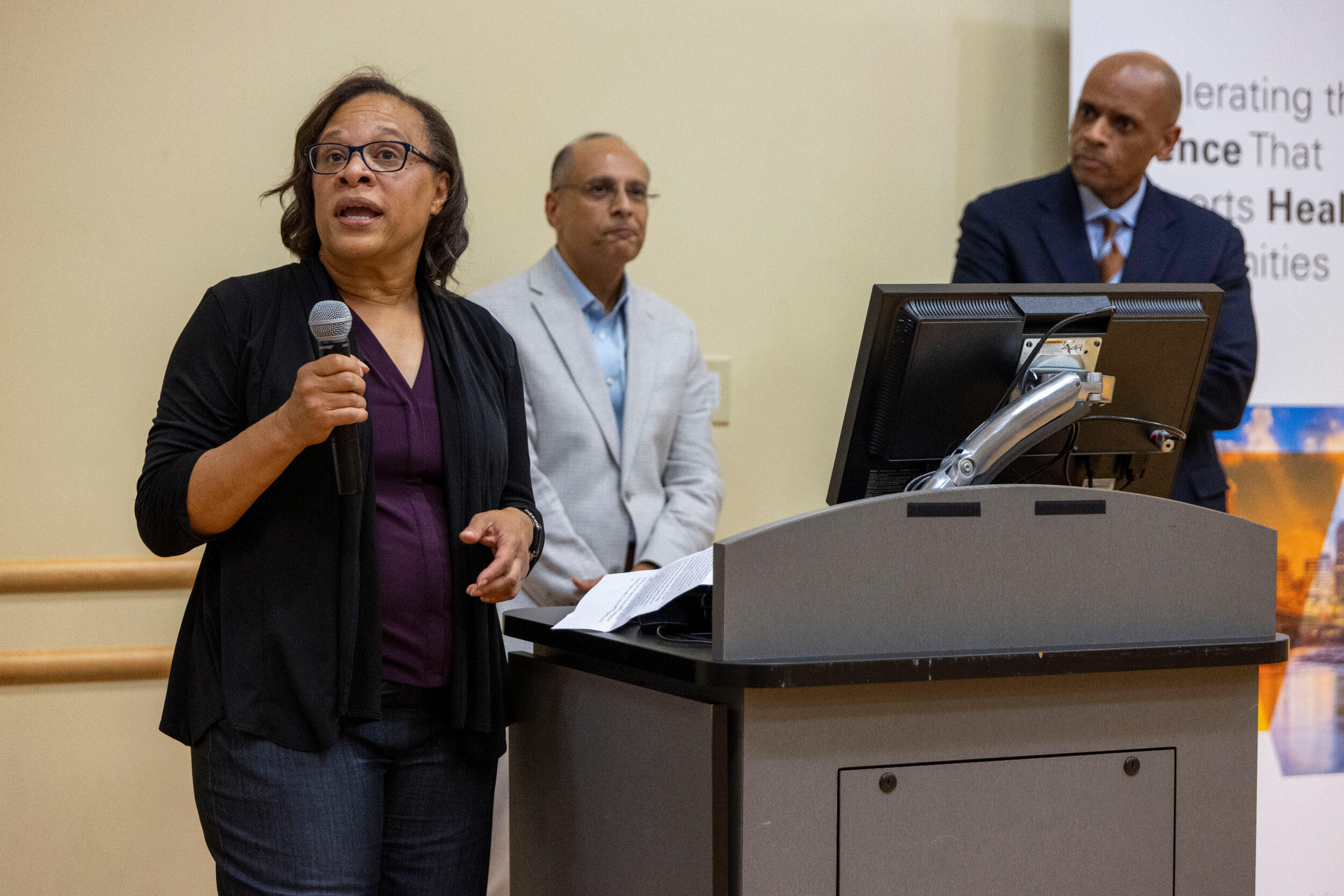
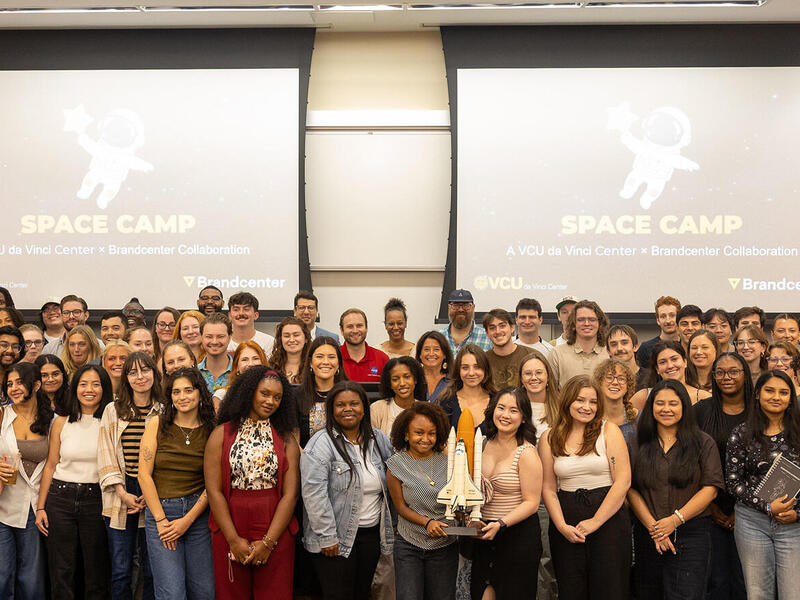
The nine weeks culminated on July 24 at the program’s Summer Research Symposium, where the students from HSURP, as well as a fellow summer research program sponsored by VCU Massey Comprehensive Cancer Center presented their research posters to roughly 192 attendees — fellow students, their mentors, colleagues, families and friends.
"You should be so incredibly proud of what you have done," Patrick Nana-Sinkam, M.D., associate director of the Wright Center, told the students, calling their work a contribution toward "making the world a little bit better" and asking that they give themselves a round of applause.
Jacqueline Smith-Mason, Ph.D., senior associate dean of the VCU Honors College and a co-director of HSURP, noted that alongside their research the students had learned to apply for nationally competitive scholarships such as the Goldwater, the NSF Graduate Research Fellowship and the Fulbright — "thinking about not only this moment, but the next steps."
“We know the best is yet to come,” she said.
The projects described above were supported by CTSA award No. UM1TR004360 from the National Center for Advancing Translational Sciences. Their contents are solely the responsibility of the authors and do not necessarily represent official views of the National Center for Advancing Translational Sciences or the National Institutes of Health.
Subscribe to VCU News
Subscribe to VCU News at newsletter.vcu.edu and receive a selection of stories, videos, photos, news clips and event listings in your inbox.