July 10, 2026
Rapid cortisol test, aerial vehicle tech and water tanks are among VCU faculty research projects receiving new awards
Share this story
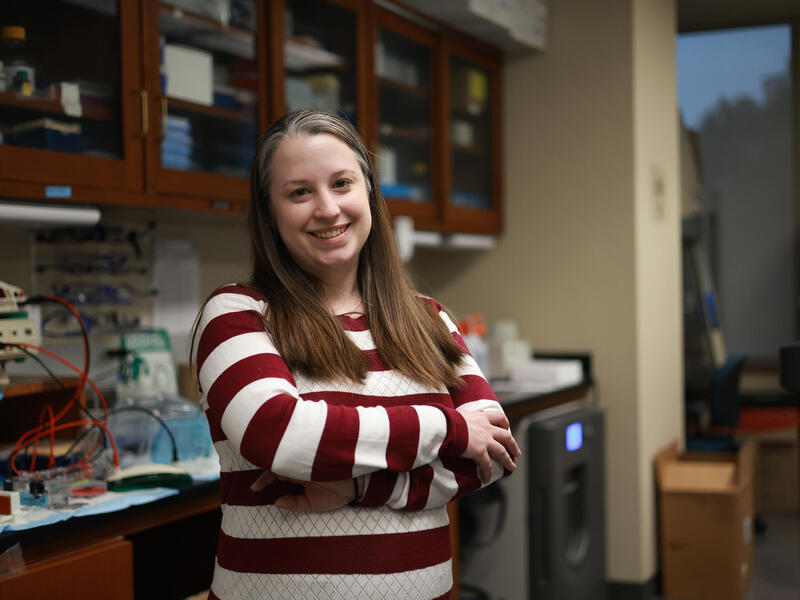
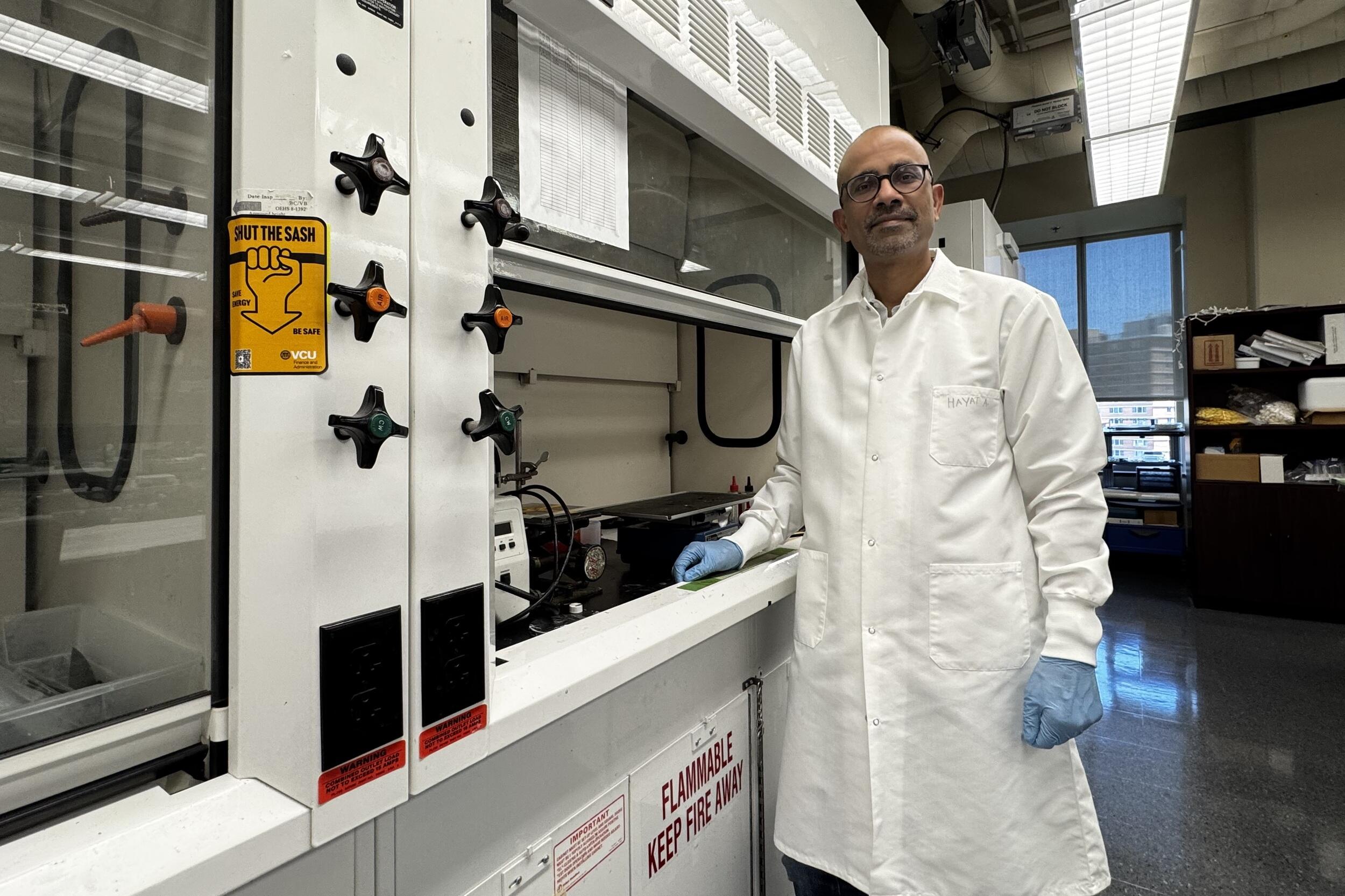
For every hour that a sepsis patient waits for lab results, mortality risk climbs by 7-10%. Those minutes matter profoundly in a hospital’s emergency department, and that urgency sits at the heart of Vamsi Yadavalli’s latest innovation.
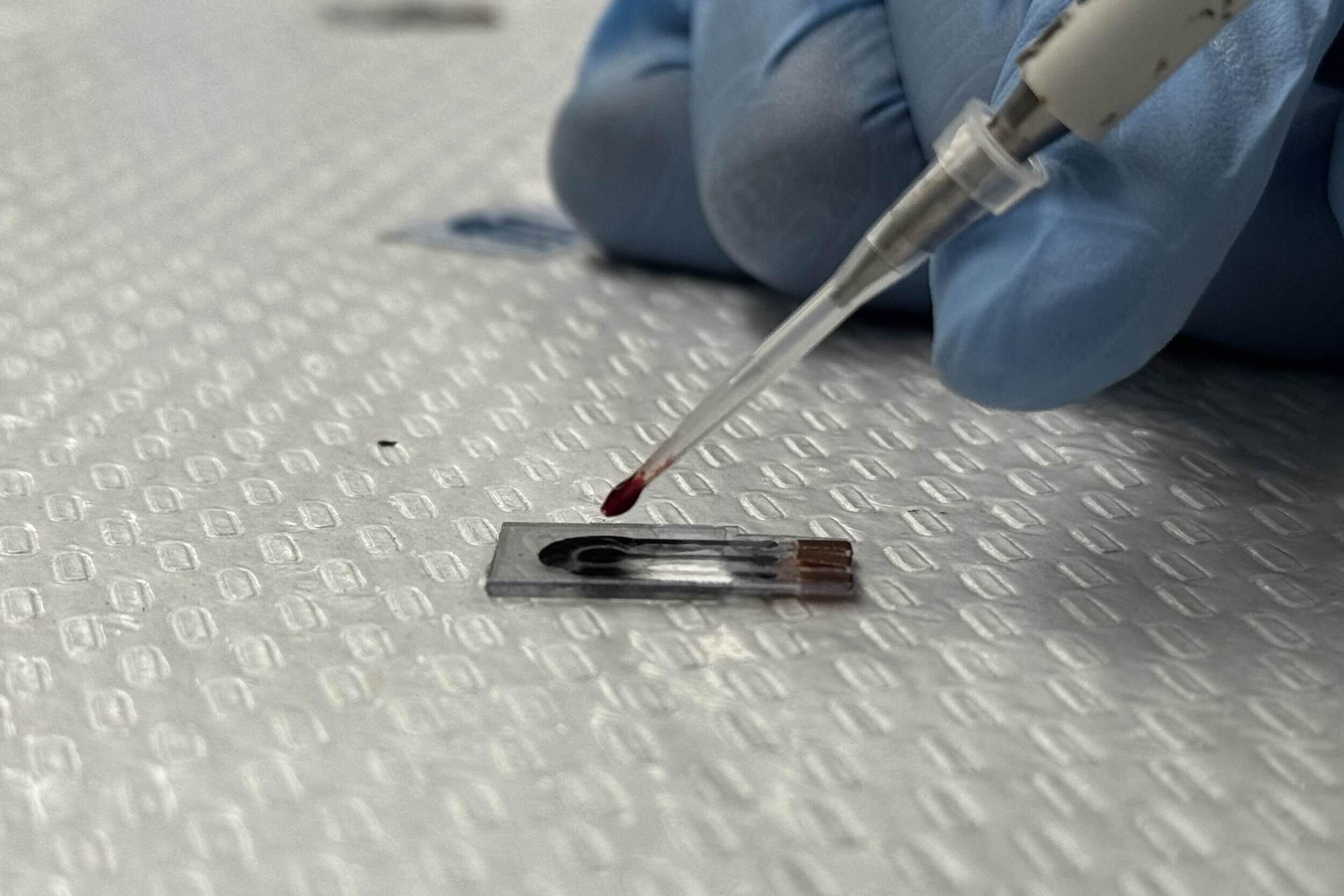
A professor in the Department of Chemical and Biomolecular Engineering in Virginia Commonwealth University’s College of Engineering, Yadavalli, Ph.D., has spent over 25 years developing biosensors from biological materials. Now, he is turning that expertise toward cortisol, the body’s primary stress hormone: His device delivers lab-accurate results from a fingerprick in under 10 minutes, versus the current 60-minute hospital lab average.
The technology, called CortiSense, is among six VCU faculty-led projects to receive new Commercialization Fund support from VCU TechTransfer and Ventures, part of the Office of the Vice President for Research and Innovation. Commercialization Fund awards, which are made twice annually, accelerate campus discoveries toward licensing and commercialization.
Sensors built on silk
CortiSense fits within Yadavalli’s broader career pursuit: building devices from nature.
Over the past decade, his lab has pioneered the use of bioinks – specially engineered proteins derived from silkworm silk – to fabricate functional sensors at microscale resolution using photolithography, a light-based patterning technique borrowed from semiconductor manufacturing.
“We utilize materials we can derive from nature, do useful things with them, and then once we’re done with it, they can go back where they came from and biodegrade,” Yadavalli said.
That philosophy led his team, over more than a decade, to explore a variety of biomarkers for molecules like glucose and ascorbic acid. Then, a collaboration with Benjamin Nicholson, M.D., an associate professor in the School of Medicine’s Department of Emergency Medicine, pointed toward cortisol. In preliminary research, Yadavalli’s group demonstrated that its silk-based biosensor could accurately detect cortisol in mouse blood across a clinically relevant range.
Why point-of-care matters
Cortisol abnormalities are implicated in a range of conditions, including Cushing’s syndrome, Addison’s disease, adrenal insufficiency, PTSD, anxiety, depression and burnout. However, current testing requires an invasive blood draw sent to a centralized lab, where turnaround times can stretch for hours. In emergency medicine, those delays have real consequences.
“If we can change that to something requiring minimal invasiveness, where someone can immediately detect it right there at the point of care and give a result within a few minutes rather than a few hours, that’s really the vision,” Yadavalli said.
He pointed to the evolution of glucose sensing as a parallel. Years ago, diabetes monitoring meant pricking a finger multiple times daily and waiting for results. Today, wearable continuous monitors deliver real-time data. The same leap, Yadavalli said, is possible for cortisol.
The complexities of blood testing
Translating the lab success to human blood presents formidable hurdles. Blood is a complex matrix of thousands of molecules swirling together, many capable of interfering with or confounding results. Cortisol levels also fluctuate naturally throughout the day, and they can spike or plunge in response to stress or illness.
A clinically useful sensor must deliver accurate readings across an enormous range while remaining selective for the bioactive form of cortisol.
“You’re trying to parse out one little thing out of thousands and thousands of other little things in the same drop of blood,” Yadavalli said.
The immediate goal is demonstrating a functioning prototype in human blood. Beyond that lies the business of scaling – manufacturing at cost-competitive prices, selecting a go-to-market model and navigating regulatory approval.
Eyeing a ‘razor-blade’ business model
Yadavalli envisions a “razor-blade” approach common in point-of-care diagnostics: Sell the reader device at a competitive price, then generate recurring revenue from biodegradable test strips. That model mirrors glucose meters, which typically cost no more than $50 but drive billions in strip sales.
With the Commercialization Fund grant, Yadavalli and his team aim to demonstrate a functioning prototype. They will conduct the first human blood studies, validate the sensor’s performance against laboratory gold standards and explore market feedback from potential users, including emergency departments, endocrinology clinics, mental health providers and corporate wellness programs.
“With the integration of data analytics and advanced electronics, we’re able to think about ways in which these devices can be much easier and cheaper to make and adopt,” Yadavalli said. “Eventually, of course, the goal is the betterment of human health.”
Advancing innovation across disciplines
The breadth of innovations now advancing through VCU’s commercialization pipeline reflects a university increasingly committed to turning research excellence into scalable solutions.
“Each of the inventors we support works in a different field, yet they’re all asking the same essential questions: ‘Is this work on the right trajectory?’ ‘Do I understand the risks?’ ‘Can I get to market on a clear timeline?’” said Ivelina Metcheva, Ph.D., assistant vice president for innovation at TechTransfer and Ventures. “The Commercialization Fund is designed to help answer those questions while the research is still young enough to adapt.”
Vice President for Research and Innovation P. Srirama Rao, Ph.D., emphasized the fund’s role in the university’s broader research ecosystem.
“What excites me about this latest cohort is not just the diversity of technologies, but the maturity of the teams behind them,” he said. “These are researchers who understand both the science and the business of innovation. That combination is what moves ideas from the lab to impact.”
Since the Commercialization Fund’s establishment in 2015, more than 100 faculty researchers have received over $4.1 million in total awards. With those investments, researchers have leveraged an additional $41.4 million in follow-on funding from federal agencies, investors, licensing partners and state organizations.
Additional Commercialization Fund awards
Here are summaries of the five additional VCU faculty-led projects that received awards in the latest funding cycle.
Project: Dynamic optical imaging to assess tissue viability
Fund recipient: Anuradha Godavarty, Ph.D., professor, Department of Biomedical Engineering, College of Engineering
Godavarty focuses her research on developing near-infrared optical imaging systems to assess tissue health without contact or injecting contrast agents. Her innovation, called NIROS (near-infrared optical scanner), creates real-time, wide-field maps of tissue oxygenation by measuring how near-infrared light is absorbed and scattered in living tissue.
Unlike traditional point-based sensors or fluorescence imaging that requires injected dyes, NIROS captures dynamic, spatiotemporal tissue perfusion data across an entire region, eliminating subjectivity in clinical assessment. The device has been validated, demonstrating 95% correlation with commercial technologies, and has been further used in preclinical models of peripheral vascular disease and clinical studies on subjects with diabetic foot ulcers and post-surgical critical limb ischemia.
The Commercialization Fund will support the transition from laboratory prototype to an FDA-ready device, including prototype refinement, regulatory documentation, software development and risk management planning. Godavarty’s team will consult with regulatory experts and work toward compliance with international device standards.
______________________________

Project: Generating efficacy data of a drug-surfactant combination aerosol as a formulation platform technology
Fund recipients: Michael Hindle, Ph.D., Peter R. Byron Distinguished Professor, Department of Pharmaceutics, School of Pharmacy; Worth Longest, Ph.D., Alice T. and William H. Goodwin Jr. Distinguished Chair, Department of Mechanical and Nuclear Engineering, College of Engineering
Hindle and Longest have developed a novel platform technology for delivering therapeutics directly to the lungs: the Th-SLS-HYG dry powder formulation, which combines active drugs, lung surfactants and hygroscopic excipients into micrometer-sized particles optimized for rapid lung deposition and transport.
The technology targets three clinical areas: general hypoxemia and lung inflammation from inhalation injuries, direct treatment of severe pneumonias (viral and bacterial, including COVID-19) and enhanced inhaled vaccine delivery. Early efficacy data in animal models of surfactant-deficient lung disease have been excellent, and the approach allows simultaneous restoration of lung surfactant function while delivering therapeutics – a dual benefit absent in current treatments.
With Commercialization Fund support, the team will generate preclinical efficacy data in animal models of acute inhalation injury, using ciclesonide (an inhaled corticosteroid) and pioglitazone (a PPAR agonist) as lead therapeutics. Success in this funding cycle will position the technology for potential FDA Fast Track or Breakthrough Therapy designation for orphan indications like acute respiratory distress syndrome.
______________________________
Project: Geometry-aware uncertainty calibration for cooperative multi-unmanned aerial vehicles tracking
Fund recipients: Yuichi Motai, Ph.D., professor, Department of Electrical and Computer Engineering, College of Engineering; Ritesh Sharma, Ph.D., research scientist
In autonomous multivehicle systems, reported uncertainty estimates from tracking filters are often overconfident and decoupled from actual sensor geometry. Poor geometry triggers inflated noise, preventing overconfident planning decisions. Motai and Sharma’s innovation, a geometry-adaptive noise schedule, ensures that filter covariance – the metric that downstream planners use to trust position estimates – strictly reflects the quality of the observation geometry.
The algorithm computes geometric dilution of precision at each sensor-to-target configuration and automatically scales the filter’s measurement noise accordingly. Validated in physics-based simulation across 30 multi-UAV configurations, the approach achieved a 75.7% reduction in false-safe planning decisions relative to industry-standard implementations. The technology is sensor-agnostic and applicable to ground vehicle fusion stacks and maritime systems.
Commercialization Fund support will transition the algorithm from simulation to hardware. Primary target customers include defense contractors, commercial drone operators and autonomy stack vendors.
______________________________
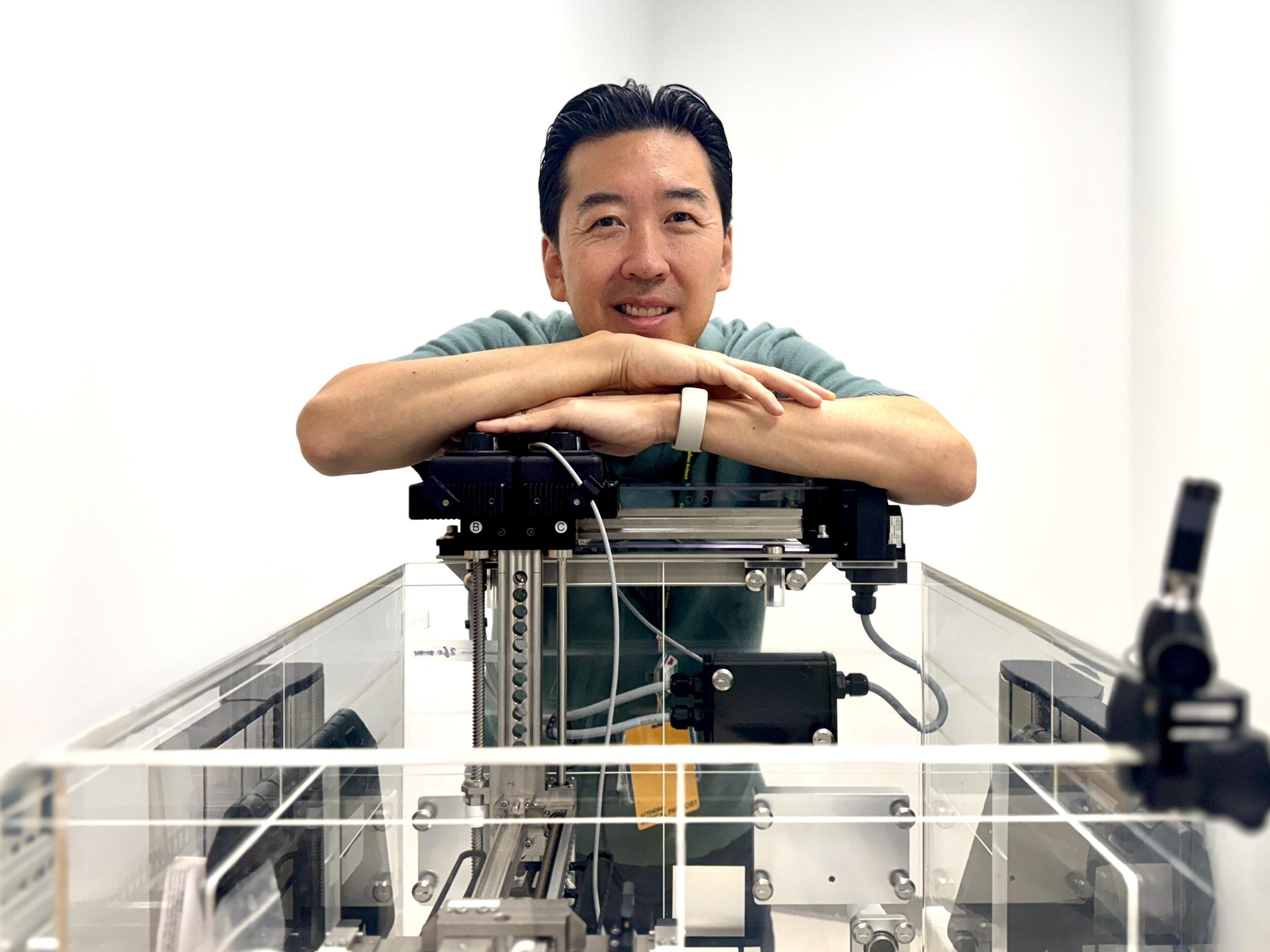
Project: Portable and foldable water tank system for ultra-fast commissioning and quality assurance of medical linear accelerators for cancer treatment
Fund recipient: William Song, Ph.D., professor, Department of Radiation Oncology, School of Medicine
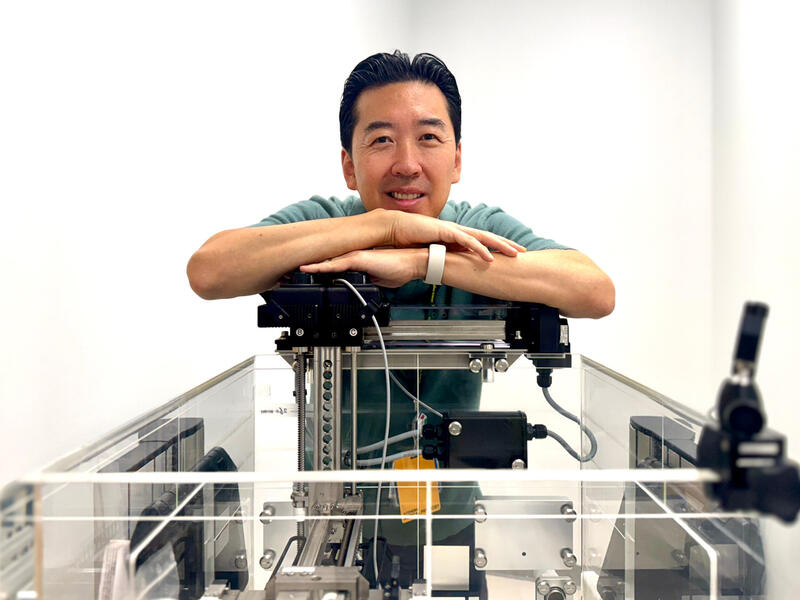
With his collaborators at Blue Physics Inc., Song is addressing a hidden bottleneck in cancer radiotherapy: commissioning and quality assurance of medical linear accelerators. Current systems rely on large, rigid and expensive water tanks that are difficult to transport and impossible to move between treatment sites without substantial logistics costs.
Song’s innovation is a portable, foldable water tank system with integrated automated scanning and high-speed radiation detector synchronization. The system is already under patent and has demonstrated successful water-tight performance in preliminary testing.
With Commercialization Fund support, Song’s team will conduct full prototype validation at VCU Health facilities, iteratively improve mechanical and electrical systems, and execute a proof-of-concept workflow. This validation will position the technology for licensing to international commissioning service providers and hospital networks.
______________________________
Project: Development of cholestenoic acid (CA), an endogenous epigenetic regulator, as a novel therapeutic for metabolic dysfunction-associated steatotic liver disease (MASLD)
Fund recipient: Yaping Wang, Ph.D., assistant professor, Department of Internal Medicine, School of Medicine
MASLD affects 25-30% of the global adult population and is the leading cause of cirrhosis. However, safe, disease-modifying therapies remain limited. To fill that gap, Wang is developing CA as a first-in-class epigenetic therapeutic for MASLD.
CA functions as a natural DNMT inhibitor that reduces hepatic lipid accumulation and improves liver function in established disease models without detectable toxicity. Wang’s team previously advanced a related endogenous epigenetic regulator, larsucosterol, into clinical development for alcohol-associated hepatitis, where it demonstrated 50% mortality reduction and generated substantial commercial interest, culminating in a $400 million acquisition.
Commercialization Fund support will generate proof-of-concept and mechanistic data, including through dose-response studies in a validated MASLD mouse model and liver biomarker profiling. These outcomes will strengthen CA’s positioning for technology licensing, external investment and downstream new drug-enabling studies.
Subscribe to VCU News
Subscribe to VCU News at newsletter.vcu.edu and receive a selection of stories, videos, photos, news clips and event listings in your inbox.